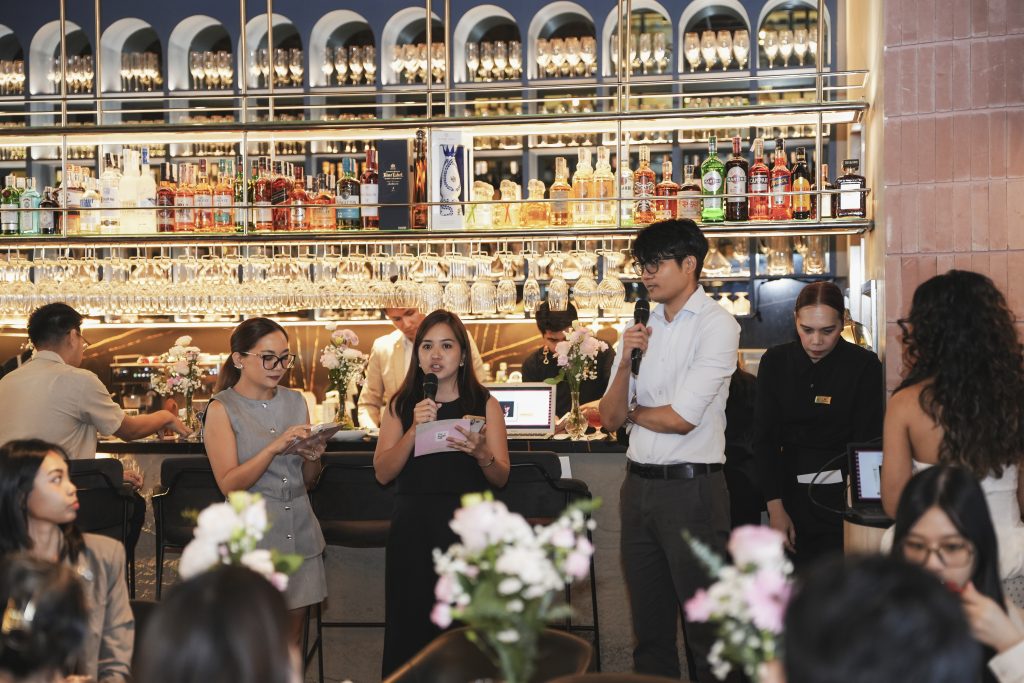
At the third edition of The Beauty Edit’s Partners’ Table, our brand partners came together with a shared purpose: to look beyond the immediate, to anticipate the future of beauty in the Philippines. This led to a central question: Where is the local beauty industry headed, and how ready are we to meet what’s next?
To anchor the discussion in data rather than instinct, we invited Christian Paguio, Business Director for the Philippines and Indonesia at Mintel, to walk us through the firm’s 2026 Global Beauty and Personal Care Predictions. Based in London, Mintel is known for tracking product innovation, consumer behavior, and the long-term shifts shaping various industries. These perspectives helped frame the conversation not just around products, but around the evolving expectations of Filipino consumers and the future shape of the market.
The “Follower” Market: A Limitation or a Launchpad?
In the Philippine beauty scene, trends rarely originate locally—they tend to ripple in from abroad. “We’ve never been a trendsetter; we’re always a follower market when it comes to trends,” Paguio pointed out. Unlike markets like South Korea or China, the local beauty scene rarely pioneers breakthroughs in ingredients or technology.
Even sustainability—a now-standard expectation in Europe and the U.S.—is still a niche consideration locally. As Paguio observed, “Even in Southeast Asia, we are lagging behind in terms of ethical and environmental claims to our products.”
Yet, Filipino consumers are far from indifferent. According to Mintel research, price and education remain the main barriers to sustainability, not interest.
“Number one reason is that it’s confusing. The consumers are confused—what does sustainability mean? They only know ‘recyclable,’ that’s very easy to understand. But when you say plastic neutral or carbon neutral, the consumers don’t really understand what we’re saying. So, they want more clarity on those sustainability claims. At the same time, it doesn’t mean that consumers also don’t care about sustainability. According to our consumer data, Filipinos are actually the most interested consumers when it comes to sustainable products.”
He added: “The only barrier is price, because it’s really expensive to be sustainable. And second is consumer education. They don’t know, and they need to see that.” He explained that Filipino consumers are interested in sustainable products, but many brands aren’t prioritizing sustainability. In other words, Filipino buyers are ready to engage. They just need guidance and accessible options.
The Strength of Local Brands: Relatability and Community
Local brands have a distinct edge in the market: an innate understanding of Filipino consumers. “Our local brands can easily connect with local consumers because, of course, we’re very much relatable,” Paguio shared. Many brands actively support communities, whether ethnic groups, women navigating pregnancy, or other niche collectives. “Filipino consumers actually love supporting brands that support local communities… so I think that’s one edge of local brands,” he added.
Social media amplifies this relatability. Paguio highlighted how brand owners and employees often share personal stories online to connect with consumers, creating authenticity that global competitors may struggle to replicate. This combination of social awareness and relatability gives local brands an edge, even when the market is still catching up with global trends.
Take GRWM Cosmetics, for example. Founded by content creator Mae Layug, GRWM Cosmetics grew from her Get Ready With Me videos and conversations with her audience. GRWM’s social channels celebrate everyday Filipinos with diverse skin tones. Plus, its Facebook group, the Goal-Getter’s Club, fosters a space where members can share experiences, ask questions, and support each other—turning the community into more than just an audience, but a true network of collaborators and advocates.
These narratives shared on social media and community‑driven platforms create a sense of trust and authenticity that global competitors, no matter how sophisticated their formulas, often struggle to replicate.
Metabolic Beauty: Beyond the Mirror and Into the System
Prevention as the New Luxury
Metabolic beauty is now transforming how we think about personal care, with Mintel highlighting its growing influence in 2026.
“If beauty is invented today, it will not start with a mirror. It might probably start with biomarkers, playlists, etc. Beauty is no longer surface-level. So, think less mirror, more of a cellular dashboard,” Paguio explained. “Healthy aging isn’t just about fighting time. It’s about building resilience and enabling renewal. We are moving towards a language of inside-out vitality.”
This trend is now firmly taking hold locally. “Thirty-six percent of Filipino adults have taken a beauty supplement in the past three months,” Paguio noted, adding that “79% of Filipino adults take a preventative approach to beauty.” These insights come from Mintel’s biannual survey of a thousand Filipino consumers, which explores attitudes, habits, and purchasing behavior in the beauty and personal care space.
“If beauty is invented today, it will not start with a mirror. It might probably start with biomarkers, playlists, etc. Beauty is no longer surface-level. So, think less mirror, more of a cellular dashboard.”— Christian Paguio, Business Director for the Philippines and Indonesia at Mintel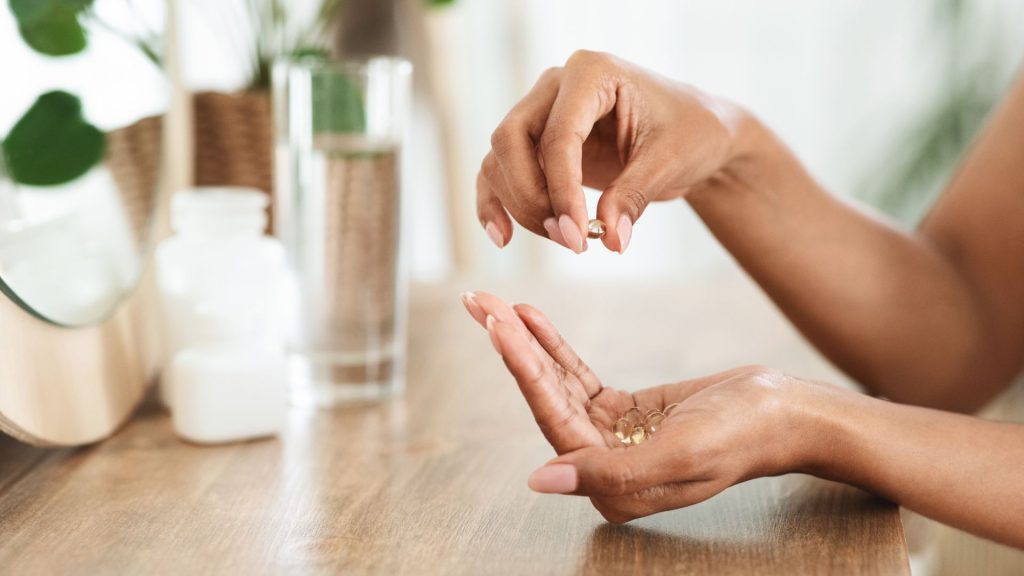
“Prevention is the new luxury,” he emphasized, as consumers nowadays are looking for solutions that support wellness from the inside out.
Systems, Not Skincare Alone
“In 2026, beauty is synced with health at an operating system level. So we will not just treat what we see, but we will actually go into what’s happening inside our bodies on a cellular level.” Products will no longer address visible concerns alone—they will integrate with health at a systemic level.
Drawing a parallel to tech, Paguio added, “It’s like what Apple did to us, right? You don’t just buy a device; you buy into a system.” Similarly, metabolic beauty treats the body as an interconnected whole. Consumers are not just looking for a cream or a supplement; they want measurable and meaningful results that improve their daily resilience and vitality.
The approach also opens doors to tailored solutions, as genetic insights, biomarker testing, and lifestyle data can guide which products or routines are most effective for an individual. A skincare line may integrate morning routines for circadian rhythm support, evening serums that enhance cellular repair, or supplements that reinforce both skin and internal health. In essence, metabolic beauty can also orchestrate a personalized system that aligns health, lifestyle, and visible results—a future where beauty truly works from the inside out.
Slow Aging for a New Generation
Paguio also highlighted that the conversation around anti-aging is shifting. No longer about erasing time, global beauty innovators—especially in South Korea—are reframing it as a journey.
“Usually, if you’re young, you don’t use anti-aging products because why would you? I don’t have wrinkles, I don’t have signs of aging, so why would I buy your anti-aging product? But aging is an inevitable process. It happens to everyone,” Paguio said.

“But what the brands are doing, the reason why they shifted the communication to slow aging is that they are saying, ‘We will just slow down the process. We will make the process beautiful and healthy for you. We will not fight time. We will go with it, but we will make it slower,’” he said. So this opens an additional market for products that cater to younger consumers.
This approach reframes anti-aging as a proactive lifestyle choice rather than a reactive fix. Slow-aging products now also appeal to younger consumers looking to invest in prevention while still keeping older audiences engaged.
Sensorial Synergy: Beauty That Speaks to the Senses
If metabolic beauty is about what’s happening beneath the skin, sensorial synergy is about everything happening around it. It’s the lighting that flatters. The scent that lingers. The texture that makes you pause. “Usually, the fragrance, the smell of the product, how it feels when you apply it, it’s usually secondary. But in 2026, it’s not going to be the case,” Paguio said. Efficacy alone is no longer enough because consumers want products that evoke emotion, delight the senses, and create memorable experiences.
Filipino consumers are also willing to pay for emotional benefits. “Out of 36 countries, the Philippines is the third country that is willing to spend money to relax,” he shared. “More and more Filipino consumers are willing to pay more just for a mood change, so brands can capitalize on that. Filipino consumers have a budget for them to feel a little bit different from their daily life.”
“Consumers are buying mood change as much as moisturizer,” he said, and innovative products illustrate this trend. For example, Japan’s Poupon pure perfume, which mimics the scent of a newborn, targets expectant mothers to alleviate pregnancy anxiety. “When you smell the scent of a newborn baby, that actually alleviates the stress and anxiety. It makes them feel more relaxed and comfortable.”
Sound, taste, and touch are other avenues for innovation. For instance, Natura, the Brazilian beauty brand with products ranging from skincare, bodycare, and fragrance, incorporates elements of the Amazon rainforest into its branding to create a multi-sensory association. Prada introduced the Banana Lip Balm to allow consumers to enjoy the scent of bananas as they experience the product. Even product packaging can evoke joy: Jergens’ lotion, for example, comes in playful shapes to make daily routines more interactive.
Retail spaces—physical or digital—can further enhance sensory experiences. Paguio highlighted L’Oréal and scotch whisky brand Royal Salute’s collaboration: “They created a retail space where consumers can experience not just fragrance tasting but also sniffing the alcoholic drinks from Royal Salute and how it compares with L’Oreal.”
Locally, that same thinking has manifested spatially—through the growing number of beauty cafés that blur retail and leisure. They’re not traditional concept stores, nor are they purely food-and-beverage ventures, but hybrid spaces—Instagrammable, community-driven, and deliberately atmospheric.
Sunnies Face, for instance, operates within the larger Sunnies universe, which includes Sunnies Cafe—a lifestyle space where makeup, eyewear, and dining coexist under a single visual language. blk Cosmetics introduced blk Café at Ayala Malls Manila Bay, pairing its signature soft pink, mod-inspired aesthetic with a full café concept that extends the brand universe beyond makeup counters. ISSY followed with ISSY Café inside Space ISSY at Glorietta, where the interiors mirror the brand’s minimalist and modern identity.
Meanwhile, GRWM Cosmetics has explored similar crossovers through café collaborations, including a partnership with 2.15 Coffee that integrated product displays within a café setting, as well as a recent collaboration with But First, Coffee, which took the form of limited-edition lip kits inspired by the café’s popular coffee flavors.
What This Means for Philippine Beauty
What the trend and data reveal is clear. Beyond products on a shelf, beauty in 2026 is about the experiences, the rituals, and the way they make you feel. And as we’ve seen, the trends shaping 2026 are already making their mark locally. Filipino consumers are proving ready and willing, whether it’s embracing preventative supplements, exploring slow-aging routines, or seeking multi-sensory product experiences. Meanwhile, local brands are leaning into their greatest advantage: relatability. By blending authenticity, community engagement, and creativity, they’re translating global trends into products and experiences that are more personal, accessible, and distinctly Filipino.
The Philippines may not always be first on the trend map, but with a consumer base that is curious, digitally connected, and deeply community-driven, it is quickly shaping a beauty scene that’s both in step with the world and proudly its own.
Photography by Pau Guevarra. Woman Applying Skincare in the Bathroom image via Canva. Hands of Black Woman Holding Beauty Supplements on Table in Livi via Canva.