In recent weeks, online discussions have brought an unlikely ingredient into focus: methanol. Typically associated with industrial use, its reported presence in some fragrance products has raised broader concerns—not just about a single compound, but about how perfumes are made, regulated, and brought to market.
Amid the rapid growth of the fragrance space, a simple but important question is gaining traction: Do we actually know what’s in the scents we wear?
The Backbone of a Traditional Fragrance
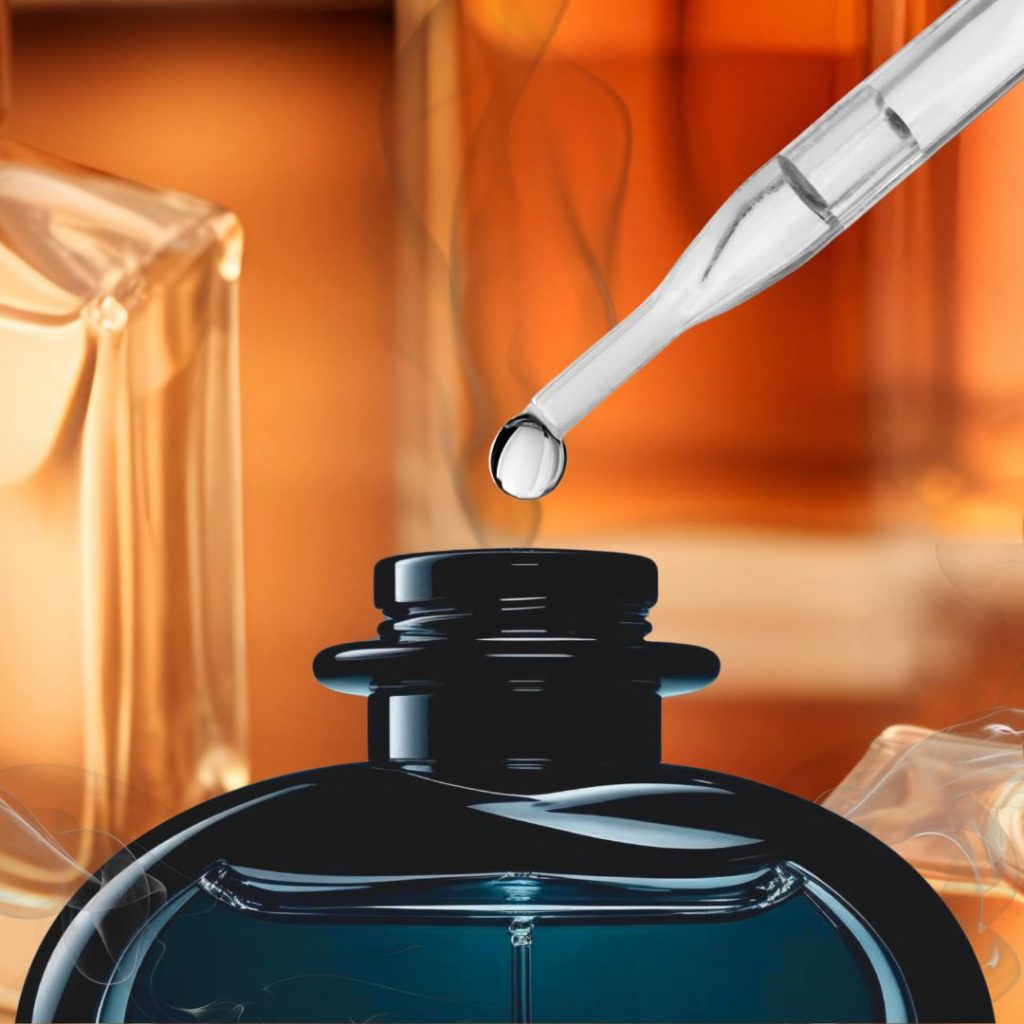
Strip perfume down to its essentials, and the formula is deceptively simple. Most fragrances are built on two core components: fragrance oils and alcohol. The oils provide the scent profile—the notes that evolve on skin—while alcohol acts as the carrier, dispersing and lifting the fragrance into the air.
This structure provides the necessary balance for a fragrance to thrive. It supports not just the performance of a fragrance, but its safety.
Methanol: A Red Flag in Fragrance
But not all alcohols function the same way.
In traditional perfumery, ethanol is the standard. It dissolves fragrance oils effectively, evaporates cleanly, and allows the scent to develop in stages—from top notes to base. It’s cosmetic-grade, skin-safe, and designed for repeated use.
Methanol, while also classified as an alcohol, operates very differently. It is not used in proper perfume formulation—and for good reason.
Unlike ethanol, methanol does not meet the safety requirements for cosmetic use. It is not considered suitable for direct skin contact, nor for repeated exposure.

Health authorities, including the CDC National Institute for Occupational Safety and Health (NIOSH), classify methanol as a toxic substance. Once absorbed into the body, it’s metabolized into compounds such as formaldehyde and formic acid, both of which can affect the nervous system and vision.
Even at low levels, exposure may lead to symptoms like headaches, dizziness, or blurred vision. At higher levels, the risks become more severe, with potential for long-term or irreversible effects.
This is particularly relevant in fragrance, where products are designed for direct application on the skin, often multiple times a day. Methanol can be absorbed dermally or inhaled—making its exclusion from cosmetic products a global standard.
Regulatory bodies such as the U.S. Food and Drug Administration and the European Commission enforce strict guidelines that prohibit its use in cosmetics.
The Formulation Gap
If methanol has no place in fragrance, how does it end up in certain products?
Its presence is often linked to deeper issues within the supply chain: counterfeit goods, unverified raw materials, or manufacturing processes that fall outside established safety standards. In many cases, it points to a lack of compliance, whether through oversight or intent.
Locally, the Food and Drug Administration Philippines (FDA) has issued advisories flagging products found to contain unsafe levels of methanol. These warnings highlight the importance of regulatory oversight—and the risks that come with bypassing it.
For consumers, this reinforces the value of choosing fragrances from brands that operate within regulated frameworks, where ingredients are documented, tested, and approved for use.
The Response from Local Perfumers
In response to the conversation, several local perfumers and fragrance creators have begun speaking up—sharing how their products are formulated, sourced, and tested.
As Greg Parilla, co-founder of GP Fragrances, shared in a statement, “This industry is built on creativity and trust, and what we put out should bring confidence, not concern,” noting that their products have been verified as methanol-free, with continued efforts toward further testing and transparency.
Bernadette Lim, founder of Scent Studio, also emphasized in a recent Instagram post that the issue goes beyond any single brand. “This is not just a local-brand problem. The bigger issue is product safety,” pointing to broader gaps in training, quality control, and sourcing practices across the industry.
Renato Lopena Jr., founder of Wren Atelier, echoes the importance of structure and accountability, highlighting practices such as FDA registration and internal quality control. For him, “perfumery isn’t just art. It comes with responsibility. And that responsibility starts with safety and compliance.”
Meanwhile, Tadhana, founded by Shale Albao, underscores an equally important perspective: what goes into a fragrance matters just as much as the final scent. Their use of plant-based ethanol reflects a focus on thoughtful formulation with an emphasis on making choices that feel better on skin and over time.
Across these perspectives, the conversation moves beyond methanol itself–toward better standards, stronger practices, and a deeper level of trust within the industry.
The Craft of Safe Fragrance
Perfume is a carefully built formulation—where every ingredient serves a purpose.
When a product follows established cosmetic regulations and global safety guidelines, it ensures that what touches your skin has been properly evaluated and approved for use.
This moment reflects something bigger—a growing point for the industry. Trust is becoming the currency, and consumers are starting to ask: Where is your alcohol from? Do you test batches? Are you FDA-notified or just “registered”?
At the same time, it exposes a clear divide between the two sides of the craft. On one side is creative perfumery, driven by storytelling, branding, and scent design. On the other is technical perfumery, grounded in chemistry, safety, and regulatory compliance.
Beyond methanol, this moment reflects the pace of growth—and the systems behind it, along with the difference between making perfume and making it responsibly.