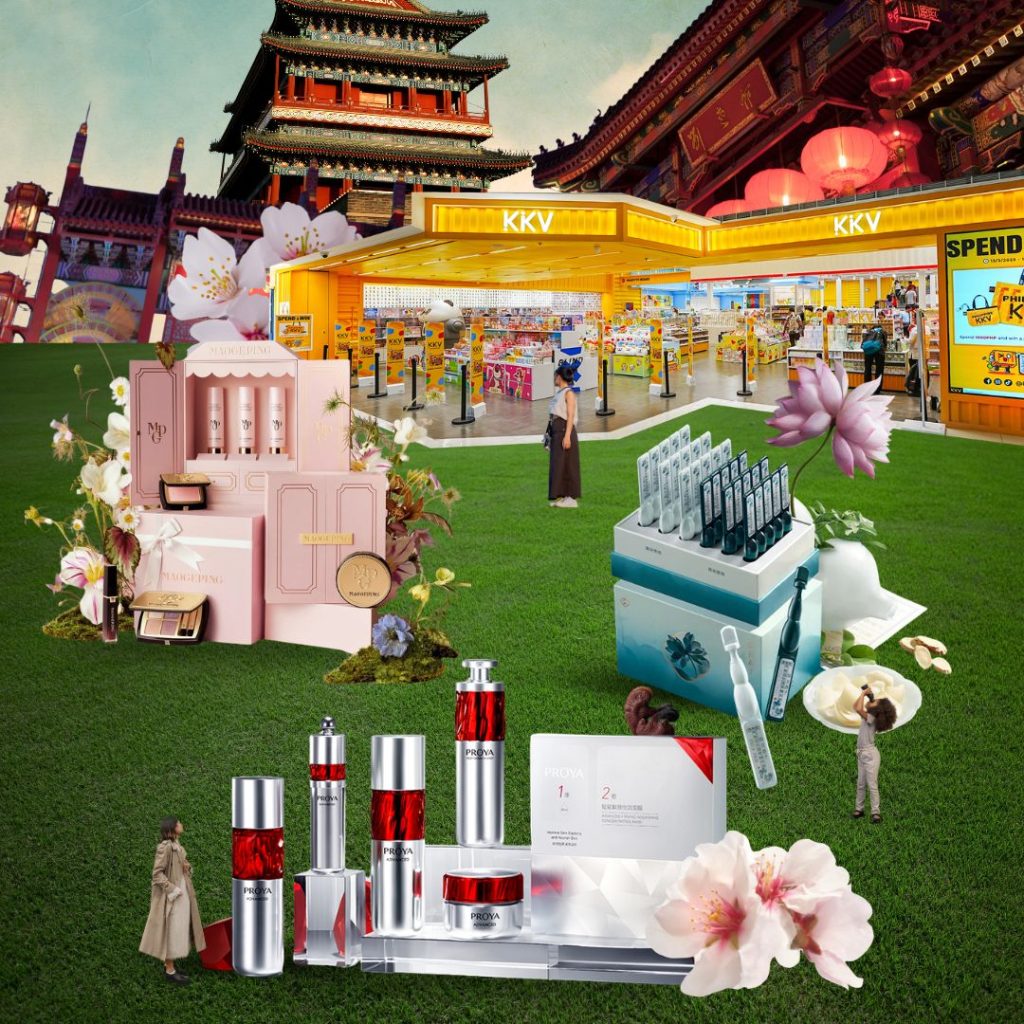
Walk into a KKV store in Manila—at Estancia, SM North EDSA, Gateway Mall, or Mall of Asia—and you’ll notice the shelves telling an interesting story. Among the pastel-hued lifestyle goods and novelty snacks, a significant portion of the shelves is dedicated to makeup. You’ll find eyeshadow palettes embossed with peonies and phoenixes, lip glazes in jewel-toned packaging, and blushes housed in cases that resemble heirlooms more than drugstore buys. Most of it is Chinese. A lot of it will surprise you.
But this is only one version of C-beauty in 2026. Once lumped together with fast-fashion cosmetics and dismissed as knockoff culture, Chinese beauty has spent the last five years quietly doing the work. This includes investing in research and development, building a digital-first brand identity, and tapping into a deep well of cultural heritage that K-beauty and J-beauty arguably lack access to. The result is an industry that, according to market data, is projected to grow from USD $18.7 billion in 2025 to nearly $49.2 billion by 2035. Globally, it already holds 20 percent of the beauty and personal care market.
In the Philippines, you can see it in the queues at new KKV branches, in Shopee or TikTok haul videos racking up hundreds of thousands of views, and in the growing number of local beauty lovers building their routines around brands they discovered not through a magazine but through a 15-second clip. C-beauty has arrived here. What comes next is the more interesting question.
What Makes C-Beauty Different
The shorthand for C-beauty tends to lean on price and packaging. That’s not the whole story.
Chinese beauty brands—particularly those that have emerged in the last decade—operate within a category that analysts sometimes describe as “cultural beauty.” Brands like Florasis (Hua Xizi in Mandarin, a name drawn from classical Chinese poetry) build their entire identity around traditional Chinese craftsmanship. Their lipstick cases are designed by locksmiths, their eyeshadow palettes reference wood-carving traditions, and their foundations are formulated with flower and herb essences drawn from traditional Chinese medicine (TCM). These are not merely superficial aesthetics, but they seem to be anchored more in an intentional brand philosophy that positions beauty as an extension of cultural identity.
Then there is the guochao movement—loosely translated as ‘China chic’—which has reshaped what younger Chinese consumers want from local brands. Researchers note that Gen Z and millennial consumers in China have increasingly gravitated toward homegrown labels that integrate traditional ingredients, cultural narratives, and contemporary aesthetics into a single product identity. For many brands, the pride in local identity has become the foundation for international expansion.
“C-beauty is strong because it’s an accumulation of knowledge and an accumulation of confidence.”—Kevin Zhang Zilong, founder, KEV Beauty
Korean beauty’s global rise was built on skincare innovation and a highly systemized routine—the 10-step regimen, the glass skin ideal—exported through K-pop and K-drama. C-beauty’s proposition is distinctly rooted in a specific civilization’s relationship with plants, minerals, and herbal medicine, combined with an agility in product development and digital marketing that few Western brands can match. As Kevin Zhang Zilong, founder of KEV Beauty, a Chinese beauty industry aggregator, put it, “All the local brands have watched all the important brands like L’Oréal, LVMH, and Estée Lauder. They have studied K-beauty trends and how to capture the attention of young consumers… C-beauty is strong because it’s an accumulation of knowledge and an accumulation of confidence.”
Where to Find It in the Philippines
The clearest retail entry point right now is KKV, the flagship brand of KK Group, a multinational retail company that operates around 1,000 stores across six countries. KKV launched in the Philippines in 2024 through a partnership with SM, and the brand’s rollout has been swift. The company has announced plans to open 200 stores across the country within three years, and its sister brand, The Colorist—a dedicated beauty concept store—has already opened at Festival Mall, with more locations to follow.
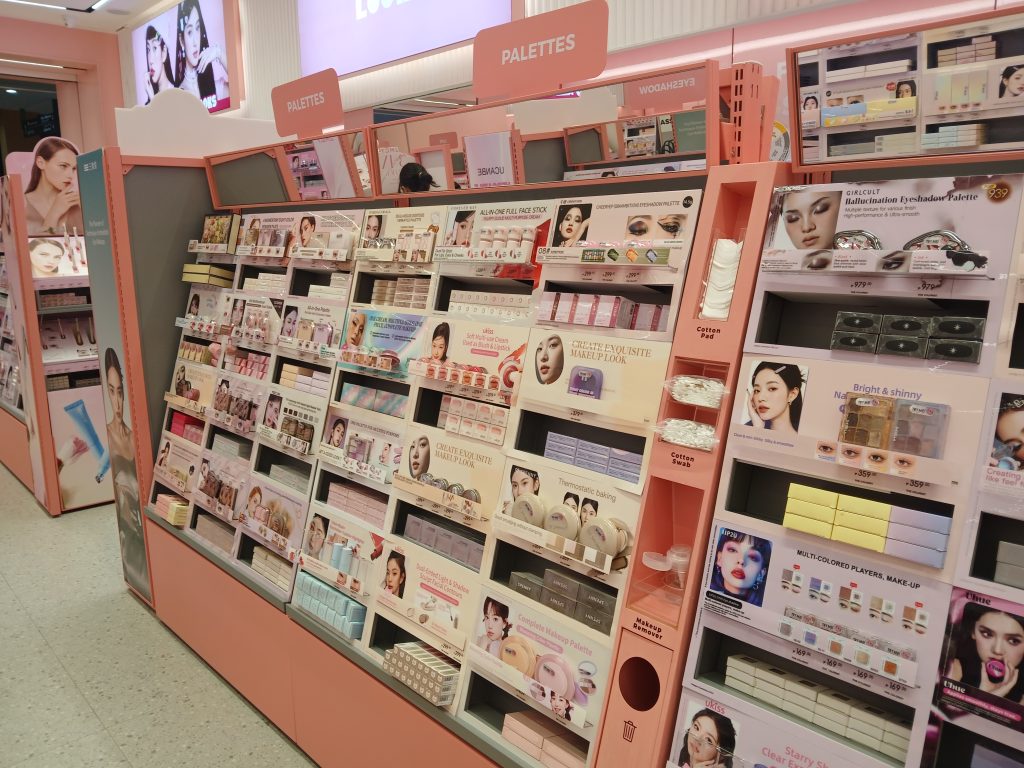
Beyond KKV, C-beauty is deeply embedded in the country’s e-commerce ecosystem. Shopee and Lazada both carry a wide selection of Chinese brands, from mass-market lines to more considered mid-tier labels. For those willing to shop cross-border, platforms like YesStyle and StyleVana stock a curated range of brands alongside Korean and Japanese alternatives.
The brands gaining the most visibility locally include Judydoll, one of the most accessible entry points into C-beauty. Judydoll is known for its iced watery lip glosses, eyeshadow palettes, and blushes. The price point is deliberately low, and the quality delivers—everyday color with a playful edge.
There’s also Flower Knows, founded by a duo from the cosplay community. Flower Knows makes makeup that looks like it belongs behind glass. Its Moonlight Mermaid and butterfly-themed series have become social media staples precisely because the packaging is so considered. In June 2024, the brand entered the US market through Urban Outfitters, a signal of how seriously it is being taken beyond Asia.
Perfect Diary is part of the Yatsen Group, which also owns the luxury skincare brand Eve Lom. Perfect Diary straddles the accessible and the aspirational. Its parent company opened a Global Innovation R&D Center in Shanghai in 2024, underscoring that the brand’s ambitions extend well beyond its affordable origins.
Proya, on the other hand, is the brand most often cited as L’Oréal’s most credible domestic rival in China. Proya has moved steadily upmarket over the years, building a reputation on dermatologist-backed formulations and clean beauty positioning. Its retail sales jumped roughly 56 percent during a major 2023 campaign period, reflecting the scale of domestic consumer trust it has built.
The Premium End of C-beauty
If the above names represent C-beauty’s accessible tier, the premium end of the category is worth knowing—even if it is not yet widely available in the Philippines through local retail.
Florasis remains the standard-bearer for what Chinese beauty can look like at a premium price point. In 2024, it made its European debut with a counter at Samaritaine Paris Pont-Neuf, one of the most prestigious department stores in Europe. Its products—particularly the embossed setting powders and gold-encased lipsticks—are made in limited quantities and command premium prices that reflect the craftsmanship involved.
Maogeping is another name gaining international attention. Named Hurun’s top Chinese makeup brand of 2025, it was founded by one of China’s most respected makeup artists and has built its identity around elevated formulations—its Luminous Moisture Perfect Cream Foundation generated $56.6 million in retail sales in 2024 alone. For those accustomed to shopping Western luxury counters, Maogeping is the closest C-beauty equivalent in terms of positioning and price.
In fragrance, brands like To Summer are building a quieter kind of prestige. The brand draws on distinctly Chinese ingredients—Jingmai Pu’er tea, Xinhui aged tangerine peel—and has attracted a minority investment from L’Oréal, its second such investment in a Chinese fragrance label. The brand moves slowly by design, built for consumers who want the real thing, not a Chinese-inspired aesthetic made elsewhere.
On Safety and Skepticism
The question of quality and regulatory compliance is one that C-beauty cannot sidestep—and the better brands are not trying to. The perception has roots in real incidents—unregulated manufacturers, ingredient concerns—and for good reason. But it doesn’t apply to the whole category.
Established Chinese brands entering international markets—particularly those with ambitions in the US, Europe, and Japan—are subject to the regulatory requirements of those markets and have invested heavily in compliance infrastructure. Proya, for instance, invested 199 million yuan in R&D in 2024, a 20 percent increase from the previous year, and has established dedicated research centers in France in partnership with academic institutions. For brands at this level, ‘cheap and unsafe’ is simply the wrong label.
That said, the advice for consumers shopping C-beauty—especially through informal channels—remains the same as it would for any import category. Buy from authorized or reputable retailers, check for ingredient transparency, and treat unusually low prices as the cue for scrutiny they are. On Shopee and Lazada, this means looking for official brand stores rather than third-party listings with limited seller history.
Does C-beauty Work for Filipino skin?
Largely, yes—and in some cases, better than one might expect.
Filipino skin tones span a wide range, from fair to deep morena, and the skin itself tends to deal with the same challenges that much of Southeast Asia faces, namely humidity, oil production, and UV exposure. Many Chinese brands, particularly those that have expanded into Southeast Asian markets, have designed their formulations with these conditions in mind. Lightweight cushion foundations, oil-controlling setting powders, and long-wear lip products are categories where C-beauty has genuinely strong offerings.
Where the fit is less certain is in foundation shade ranges. C-beauty, like J-beauty before it, has historically skewed toward lighter skin tones in its shade development—a reflection of its primary domestic market. This is slowly changing as brands prioritize Southeast Asian expansion, but shoppers with deeper skin tones may still find the range limited, particularly at the more accessible price points.
The categories gaining the most traction locally align with what C-beauty does well, regardless of skin tone, including blush, lip color, eyeshadow, setting powder, and skincare. In skincare specifically, the use of TCM-derived ingredients—ginseng, licorice root, pearl powder, and various botanical extracts—resonates with a regional consumer who is already familiar with herbal wellness traditions. The ingredients may have different names, but the logic is familiar.
What Beauty Insiders Think
Ask someone who has actually spent time with the products and you get a response that captures both the appeal and the friction.
“The packaging is always so beautiful and innovative,” says Belle Rodolfo, a local content creator who has covered beauty across her platforms. “I just wish the shade ranges were more inclusive.”
Nicole Arcano, The Beauty Edit’s partnerships manager, has been testing several Judydoll products and echoes the same sentiment. She’s a convert on the brand’s 5 Shades Concealer Palette—”creamy, buildable, and genuinely affordable,” she says, with different shades for color correction, concealing, and even inner corner highlighting, all in one slim compact. But on shade range, she’s already at the deepest option available.
That tension—between strong creative output and limited shade inclusivity—is one C-beauty will need to resolve if it wants lasting loyalty in Southeast Asia. Filipino consumers are accustomed to navigating shade gaps from Western and even Korean brands, but it is harder to overlook when a brand is actively pitching itself as made-for-this-market.
Makeup artist Chuchie Ledesma brings a different perspective: a more generous one. A devoted user of Kaleidos, a Chinese color cosmetics brand known for its bold pigments and maximalist aesthetic, she points to the brand’s eyeshadows and creamy chrome gel pencils as standouts: pigmented, creamy even in powder form, and considered in their packaging. On C-beauty more broadly, she’s noticed a real improvement in pigment quality and longevity. “Before, I found them a bit chalky,” she says. “That has changed.”
Her take on the K-beauty vs. J-beauty vs. C-beauty dynamic is also worth noting: She doesn’t see competition between them. “I see them as teammates,” she says. “C-beauty complements K- and J-beauty beautifully. What K and J lack in pigments and color, C-beauty has them ready.”
It is a useful reframe. Embracing C-beauty doesn’t have to be about displacement—it can be about a more complete toolkit. That framing may be exactly what helps it earn lasting loyalty here.
What the broader beauty conversation suggests, even without local voices, is that the skepticism is softening. Flower Knows’ entry into Urban Outfitters and Florasis’ Paris counter has given the category a credibility signal that a thousand haul videos could not have generated on their own. For consumers who needed permission to take C-beauty seriously, those moments provided it.
The Staying Power Question
K-beauty became a global fixture not because of one viral moment, but as a result of building staying power through consistent innovation, a clear aesthetic identity, and an infrastructure of retail partnerships that gave it long-term visibility. C-beauty is now doing the same work, with a few additional advantages. It has a manufacturing base that allows for faster product development cycles, a digital marketing sophistication that rivals anything in the industry, and a cultural story that is only beginning to be told to a global audience.
In the Philippines, the conditions are favorable. The market is young, digitally engaged, and open to experimentation. KKV’s expansion plans—200 stores in three years—suggest that at least one major retail player is betting heavily on this appetite. The Colorist’s early performance points in the same direction.
Whether C-beauty will rival K-beauty in local mindshare is a question that a few more years will answer. For now, the more useful question is whether there is something in it worth trying. The answer, increasingly, is yes—and the list keeps getting longer.
Your C-Beauty Starting Point
Not sure where to begin? These are the brands and products worth your first purchase.

3D Curling Iron Mascara
$13.99, Judydoll
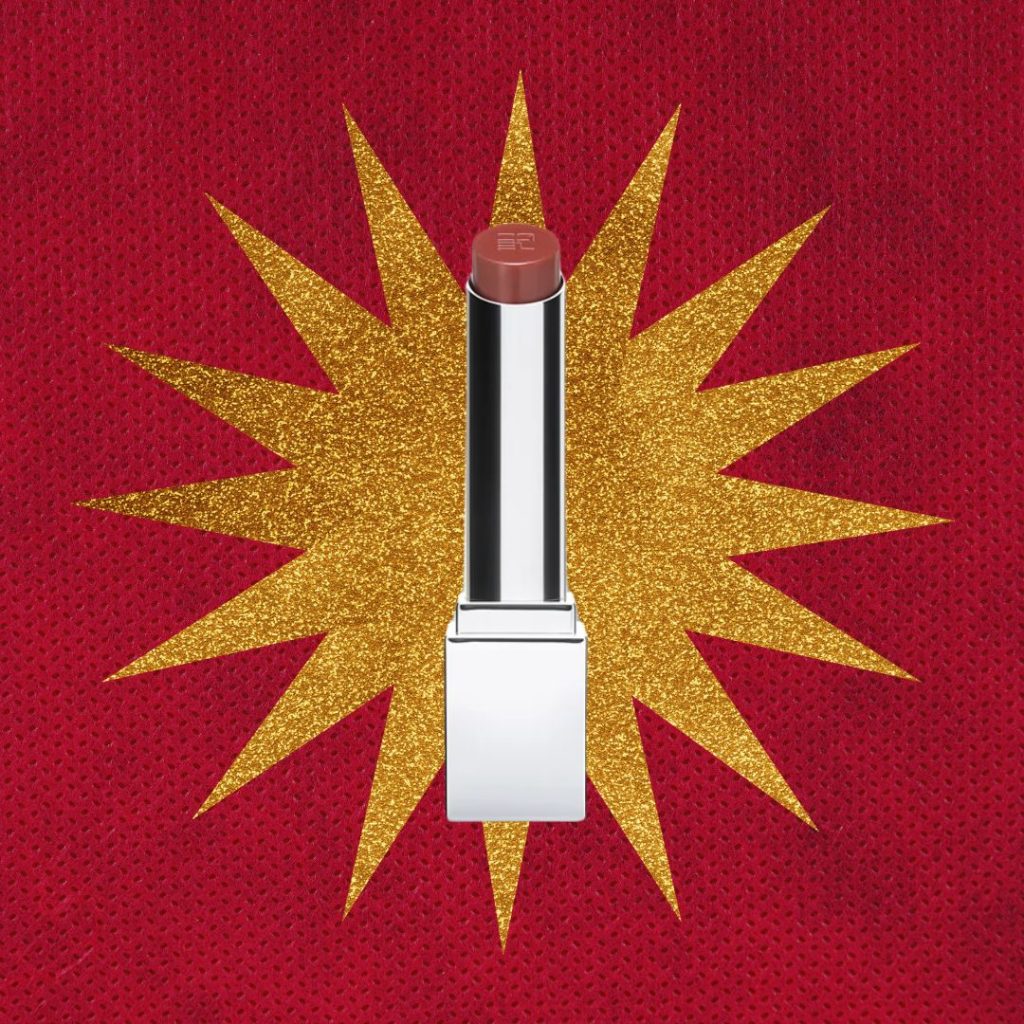
Biolip Essence Lipstick
$40, Perfect Diary
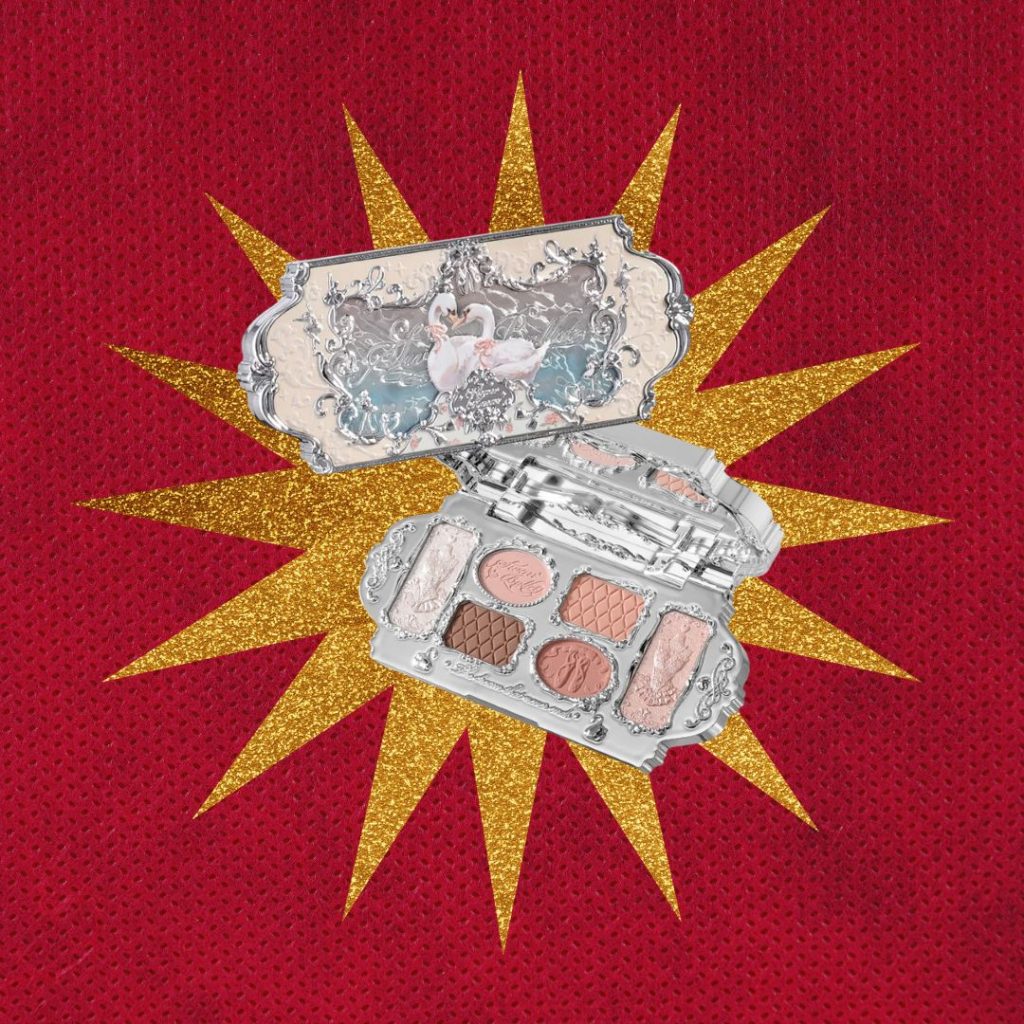
Swan Ballet Six-Colour Makeup Palette
$35, Flower Knows
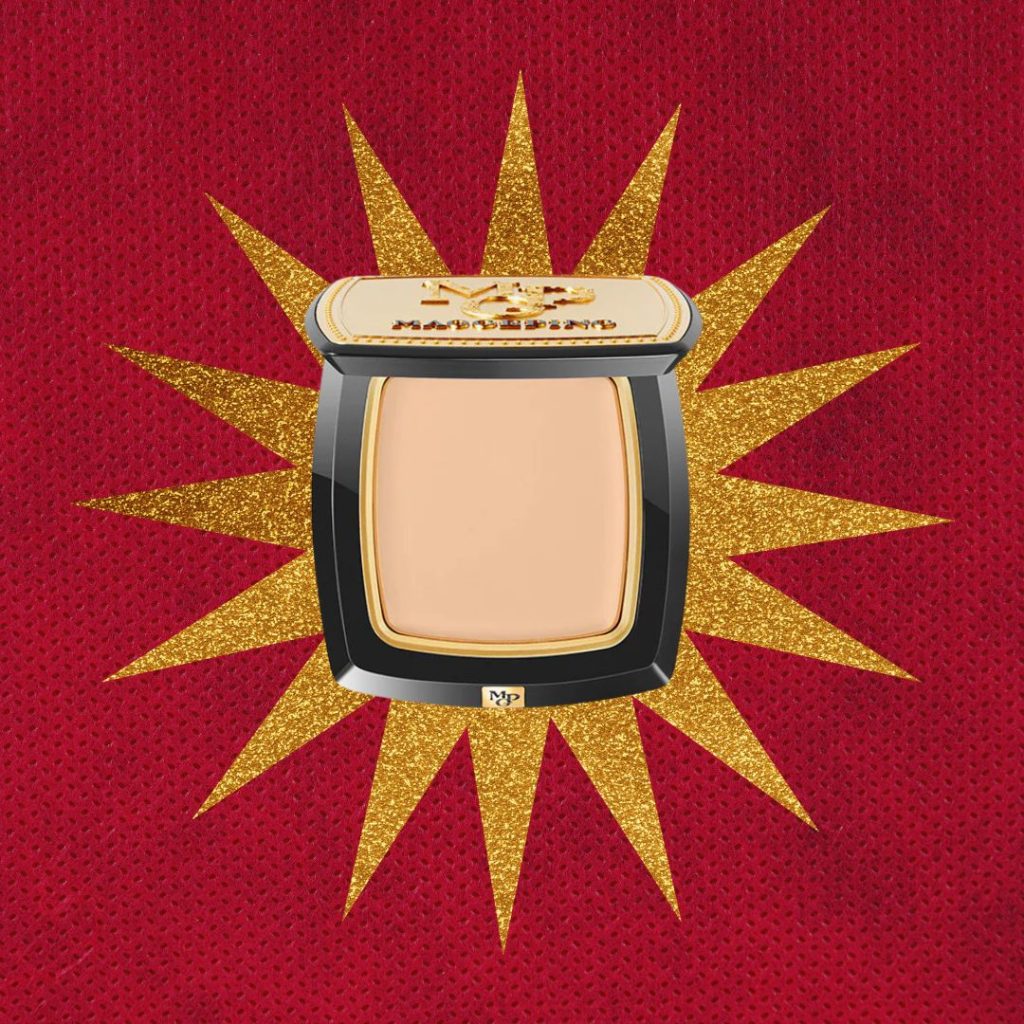
Luminous Moisture Perfect Cream Foundation
$69.99, Maogeping