For decades, beauty brands promised to “fight,” “reverse,” or “stop” aging. Today, those same conversations are increasingly being replaced by a new term: longevity skincare.
It’s showing up in product launches, dermatologist conferences, and luxury beauty campaigns. In medicine, longevity refers to extending healthspan, the number of years the body stays healthy, not simply lifespan. That same idea is now being applied to skin: Instead of measuring success purely by how smooth or wrinkle-free skin looks, longevity skincare asks how well skin continues to function as it ages: how well it retains moisture, repairs damage, and defends against everyday aggressors—a.k.a. its “skinspan.”
That’s the shift in a nutshell. What it looks like in practice, however, is more layered.
Dr. Gaile Robredo-Vitas, a board-certified dermatologist and founder of dermHQ in Makati, says it changes what skincare is actually trying to achieve.
“I think of skin longevity as keeping the skin functioning and working well longer: keeping our skin barrier intact, making sure cell turnover is efficient, [that] there is continuous collagen renewal, and inflammation is controlled,” she tells The Beauty Edit. “Anti-aging has always been about preventing or slowing down skin aging, and correcting or reversing signs of aging.”
Is Longevity Skincare Really New?
Traditional anti-aging skincare has largely focused on correcting what we can already see: wrinkles, dark spots, sagging, rough texture, and loss of firmness. Longevity skincare shifts the focus earlier.
While the term may sound new, for Dr. Robredo-Vitas, longevity skincare is somewhere between established science and a shifting way of thinking about skin aging.
She believes the concept is both genuinely new and familiar at the same time. “I don’t think it’s an entirely new concept. We have been talking about prevention, photoprotection, barrier repair, and collagen preservation for decades,” she says. “The biology isn’t new. The language is—a broader interpretation, a slightly different focus, with terms like prejuvenation, cellular senescence, and inflammaging that weren’t part of skincare conversations ten years ago.”
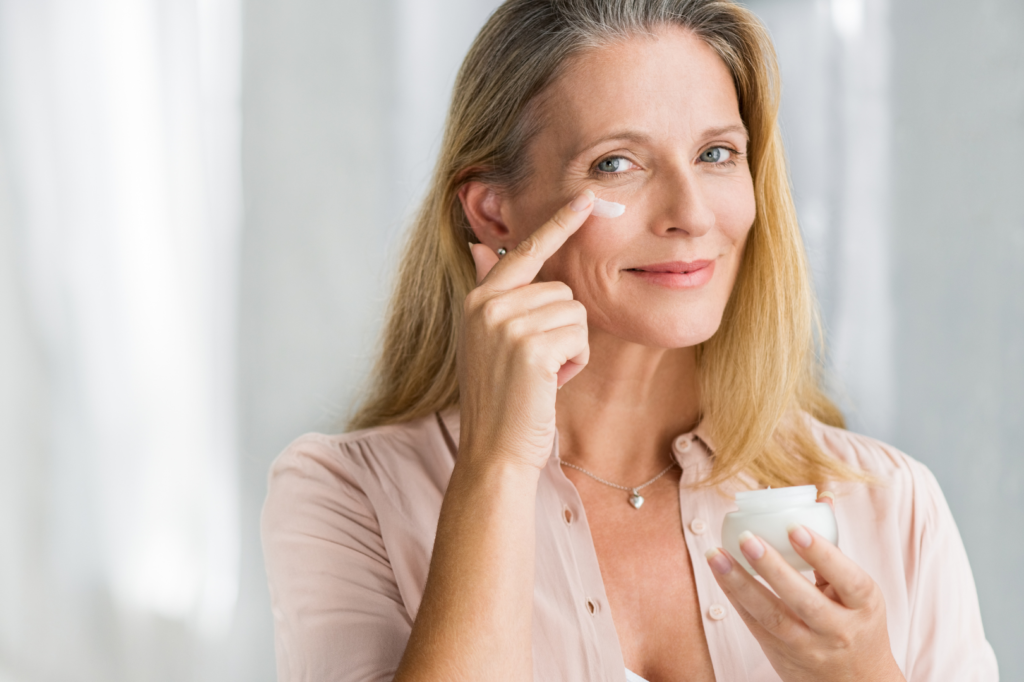
That distinction changes the conversation around aging. Rather than viewing wrinkles as something to erase, longevity skincare asks how skin can continue performing its essential functions as the years go by. The emphasis shifts from correcting visible changes to preserving the biology that keeps skin healthy in the first place.
“The biology isn’t new. The language is—a broader interpretation, a slightly different focus, with terms like prejuvenation, cellular senescence, and inflammaging that weren’t part of skincare conversations ten years ago.”—Dr. Gaile Robredo-Vitas, board-certified dermatologist
The Science Behind Skin Function
The word “function” gets brought up frequently, so it’s worth breaking down simply. It’s where longevity skincare earns its own identity, instead of just being anti-aging rebranded differently.
For Dr. Robredo-Vitas, extending the skin’s “healthspan” isn’t just about preserving a youthful appearance, because it’s also about preserving what healthy skin is designed to do.
“Extending the skin’s healthspan, for me, means preserving its ability to perform its normal functions over time. It should heal well, tolerate environmental stress, maintain hydration, and protect the body from infection.”
For dermatologists, skin function isn’t just a conceptual idea or a marketing buzzword. It’s something that can be observed, measured, and evaluated.
One of its jobs is holding onto moisture and keeping irritants out, or what’s known as barrier function. Researchers measure this by tracking how much water evaporates off your skin throughout the day (called transepidermal water loss, or TEWL, if you ever see it on an ingredient study). The less water that escapes, the stronger the barrier. A 2026 review in The EMBO Journal puts it simply: Skin aging isn’t just cosmetic; it’s a visible sign that this barrier, along with the skin’s immune defenses and its ability to repair itself, is starting to break down. Researchers now use these things, not just wrinkle count, to score how well skin is actually holding up.
Another one of its jobs is repair. Older skin heals more slowly: A cut takes longer to close, and its ability to recover from the small, invisible damage it accumulates every day—from UV exposure and pollution to something as ordinary as rubbing against a pillowcase—starts to decline long before any of it shows up as a wrinkle.
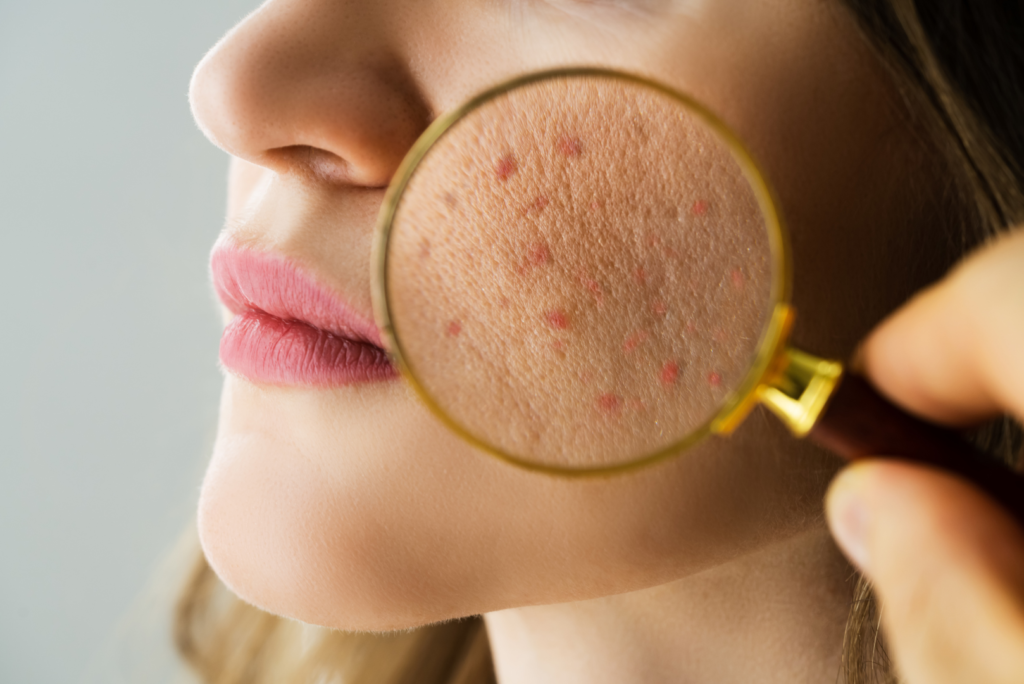
Its third job is defense. Skin has its own resident immune cells looking out for anything that shouldn’t be there, and that function weakens with age, which is part of why older skin gets irritated more easily and takes longer to calm down. Researchers have even found concrete chemical evidence of this: Certain protective compounds that skin naturally produces decline measurably as we age, while cortisol—the stress hormone—actually rises on the skin’s surface, according to one study measuring compounds rinsed straight off people’s skin. That’s evidence of aging you can’t see with your eyes, but it’s there.
As Dr. Robredo-Vitas explains: Maintaining skin health over time means supporting several biological processes at once.
“These biological processes include maintaining a strong skin barrier so it retains moisture and keeps irritants out, preserving collagen and elastin, supporting healthy cell turnover and wound healing, reducing chronic low-grade inflammation, protecting skin cells from oxidative stress, and maintaining healthy communication between skin cells so repair processes continue to function efficiently.”
Barrier, repair, and defense. Those are the major markers of skin health—and they largely operate beneath the surface.
Seen through that lens, the idea of skin healthspan—or “skinspan”—becomes much more tangible. Rather than judging healthy skin solely by how smooth or firm it appears, longevity skincare asks how effectively it continues doing its job.
This is also where the distinction between anti-aging and longevity becomes more meaningful. Traditional anti-aging has largely treated chronological age—the number of birthdays you’ve celebrated—as the benchmark for skin aging. Longevity science shifts attention to biological age instead: what’s actually happening inside the skin at a cellular level.
The Part Most Anti-Aging Marketing Skips
To understand why longevity skincare has gained so much attention, it helps to start with the biology. As skin cells age, some stop functioning properly, but instead of dying off and making way for new cells, they remain in the tissue. Instead, they get stuck; they stop dividing but don’t leave, entering a kind of cellular limbo called senescence.
These “zombie cells” can’t help repair or regenerate skin anymore, which is a big part of why healing slows down with age. Worse, they actively release inflammatory signals and enzymes that break down collagen and elastin in the skin around them, a process researchers call the senescence-associated secretory phenotype, or SASP.
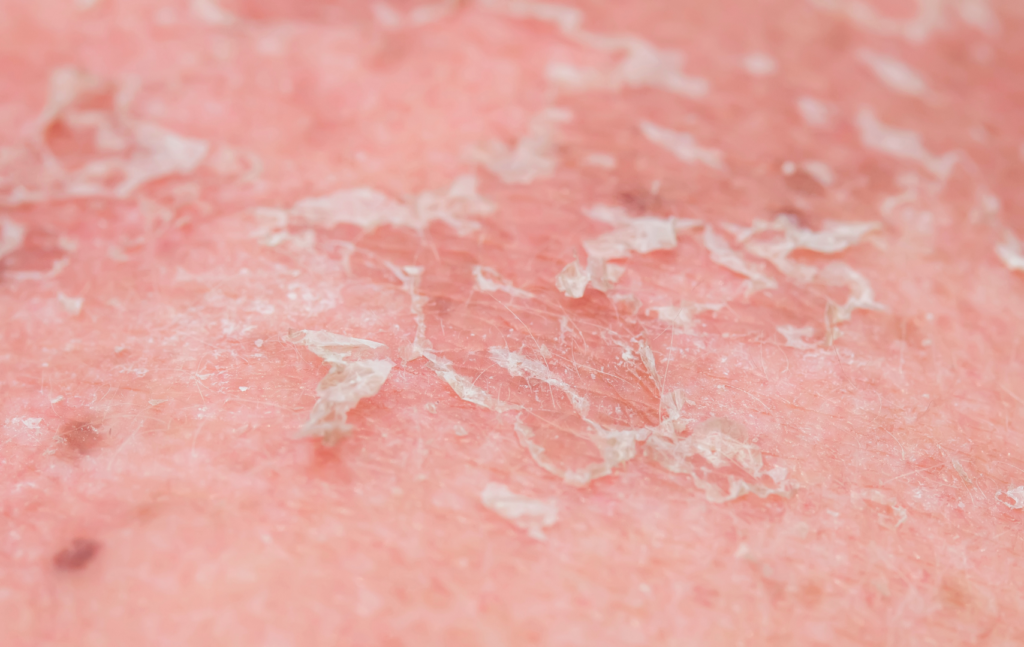
Put simply, a wrinkle is a symptom. A senescent cell is closer to the actual cause, quietly working against your skin’s moisture, repair, and defense functions long before that wrinkle shows up.
That’s where longevity skincare begins to diverge from traditional anti-aging. Anti-aging aims to target the visible result, like retinoids to speed up cell turnover, fillers to restore lost volume, brightening acids to fade what’s already discolored. Longevity skincare tries to step in earlier, reducing how many of these zombie cells build up in the first place, or calming the inflammatory signals they’re sending out, so your skin’s underlying functions hold up longer and there’s simply less to fix later.
Is the Shift Happening Here, Too?
The Philippines is only starting to have this conversation out loud, but the shift itself is already underway. Filipino skincare habits have moved from basic hygiene-first routines to the K-beauty-driven “glass skin” era of the last decade, and local market data shows that growth is now increasingly driven by a more informed, ingredient-conscious buyer, not just whatever’s trending on TikTok. That mindset shift mirrors a broader pattern in Filipino wellness spending, where skincare and nutrition are increasingly treated as daily investments rather than emergency fixes.
The word “longevity” itself is starting to show up in local beauty conversations, too, even if the skepticism around whether it’s truly different from anti-aging has crossed over along with it. What’s still missing are Filipino product lines built around senescence, but the interest in prevention over correction is clearly already here.
What This Actually Looks Like in a Jar
This is where the distinction between anti-aging and longevity skincare becomes more tangible, not because they’re built on entirely different ingredients, but because they’re increasingly designed with different goals in mind.
As Dr. Robredo-Vitas points out, many longevity products still rely on familiar actives.
“A lot of the skincare products we see now still have the same ingredients—retinoids, peptides, and antioxidants we’ve always used—just relabeled because ‘anti-aging’ has started to feel and sound like a negative word to some patients and consumers.”
In other words, longevity skincare doesn’t represent a complete departure from anti-aging. Many of the ingredients remain the same because they continue to be among the most effective and well-studied options available.
Traditional anti-aging actives like retinoids, vitamin C, and peptides accelerate processes the skin already performs: increasing cell turnover, supporting collagen production, and protecting against oxidative stress. Those mechanisms remain central to healthy skin, regardless of whether a product is marketed as anti-aging or longevity.
Where longevity skincare begins to diverge is in what it’s trying to influence. Rather than focusing solely on correcting visible signs of aging, newer formulations are increasingly being designed to support the biological processes that contribute to healthier skin over time, from mitochondrial function and cellular energy production to senescence and chronic inflammation.
At the same time, Dr. Robredo-Vitas cautions against assuming that every new longevity ingredient automatically represents a scientific breakthrough.
“Look for products with ingredients that are backed by good clinical evidence and data behind them rather than trending or new ones. Brands that are willing to cite an actual study—one you could look up yourself—are usually more trustworthy than ones that just say ‘clinically proven’ or ‘dermatologist tested.'”
Lancôme’s Absolue Longevity MD, introduced this year, is one example of how longevity skincare is beginning to distinguish itself from traditional anti-aging. The line is built around Mitopure by Timeline, a patented and highly purified form of Urolithin-A, a postbiotic compound the longevity field has been studying for its role in mitochondrial function, the energy-producing process inside every cell that declines with age.
The range is also structured differently. Instead of taking a one-size-fits-all approach, it’s divided by biological life stage: Anticipate for skin under 35, Intercept for ages 35 to 55, when visible signs of aging typically begin to emerge, and Reset for skin over 55, with formulas designed to support skin whose cellular activity has slowed more significantly.
That approach shows a broader shift in thinking, because rather than centering its claims on smoothing wrinkles or firming skin alone, Lancôme frames the line around addressing the biological changes that precede them, such as cellular fatigue, chronic inflammation, and declining metabolic activity.
OneSkin’s OS-01, on the other hand, a peptide developed by a longevity-science company rather than a traditional beauty house, goes a step further into direct cellular intervention. It’s formulated specifically as a senolytic—designed to target senescent cells, the “zombie cells” described earlier that linger in tissue and secrete the inflammatory signals driving SASP.
Why It’s Worth Knowing the Difference
Longevity may be beauty’s latest buzzword, but it’s not always being used in the same way. In some cases, it refers to genuine research into the biological processes behind skin aging. In others, it’s simply a modern rebrand of familiar anti-aging formulas. Knowing which one you’re looking at helps you understand exactly what a product is trying to do for your skin, and what it’s realistically worth to you.
That also means approaching longevity claims with a critical eye. Dr. Robredo-Vitas encourages consumers to look beyond buzzwords and ask whether a product’s claims are backed by credible evidence.
“Be more skeptical when you see buzzwords on skincare products with no human trial cited at all, or any claim that a cream can ‘reverse cellular aging.’ Nothing has robust or compelling evidence for that at a systemic level. The same goes for vague ‘proprietary longevity complexes’ where you can’t actually see the ingredient concentrations, or products that borrow language from internal, systemic longevity science without any topical-specific trial to back it up.”
As research into skin longevity continues to evolve, the science will likely become more sophisticated and so will the marketing. Rather than promising to stop aging, the most meaningful innovations are helping us better understand how skin ages and how to support it over time.
As Dr. Robredo-Vitas puts it: “Ultimately, longevity skincare isn’t about freezing aging or chasing immortality for the skin. It’s about preserving healthy skin function for as long as possible using interventions that are evidence-based, sustainable, and realistic.”
Examining Skin Acne Problems photo by © Andrey Popov from Getty Images via canva.com. Textured background with scales of dead skin cells covered with cracks after sunburn break off from the body photo by © Nataba from Getty Images via canva.com. Woman Applying anti Aging Lotion on Face by © Rido via canva.com