If you were growing up in the ’90s or early 2000s, chances are you snuck into your mom’s vanity at least once, not just to swipe her colorful eyeshadow, but to spritz those oversized bottles of scented magic. Victoria’s Secret Love Spell. Bath & Body Works Cucumber Melon. The Body Shop White Musk. These weren’t fragrances you dabbed carefully onto your pulse points. They were meant to be sprayed liberally: once, twice, then a few more times for good measure.
Then came the boom of eau de parfums and luxury fragrances, and body mists quietly slipped into the background. But they’re now re-emerging on vanities, driven largely by nostalgia—with millennials rediscovering old favorites and Gen Z embracing body mists as an affordable way to wear fragrance.
And the numbers back it up. According to market research firms including Grand View Research and Straits Research, estimates place the global body mist market at roughly USD $5.7 billion to USD $7.9 billion in 2025, with most analysts forecasting steady annual growth of around 4.7 to 5.8 percent through the mid-2030s. It’s definitely not a fleeting trend. It’s a category expected to keep growing for years.
The Appeal of Going Lighter
The biggest advantage of body mists is simple: affordability.
A body mist typically costs a fraction of what an eau de parfum does because it contains a much lower concentration of fragrance oils. Whereas an EDP (eau de parfum) sits at roughly 15 to 20 percent and an EDT (eau de toilette) at about 5 to 15 percent, body mists fall well below even eau de cologne’s 2 to 4 percent—closer to eau fraîche territory, generally under 3 percent. There’s no strict industry standard governing the category, which is part of why formulas (and how long they last) vary so much from brand to brand.
That said, most body mists contain more water and less alcohol than traditional perfumes. They’re designed to be sprayed generously and reapplied throughout the day, making them especially comfortable in warm weather. And while the scent usually lasts only one to two hours, that’s part of the appeal: They’re made for refreshing, not committing.
The affordability is part of a bigger shift happening across the fragrance industry. Business of Fashion reports that fragrance is growing at both ends of the price spectrum. Consumers are either trading down to accessible scents or moving up to luxury fragrances, while the middle tier is losing momentum. Even luxury houses have noticed, with brands like Dior and Tom Ford expanding into lighter, less concentrated body sprays and mists.
As for the social layer of the story? Trend analytics firm Spate attributes much of the category’s resurgence to affordability and—no surprise here—TikTok. The body spray category receives 14.9 million views on average each week, a growth of 427.8 percent from 2025, with Brazil-inspired beauty brand Sol de Janeiro largely responsible for this growth in viewership.
The Local Mist Economy
In the Philippines, body mists arguably never stopped making sense. When humidity can make a rich eau de parfum feel easily overwhelming, a lighter fragrance that can be sprayed on freely becomes the more practical choice.
A walk through department store beauty aisles makes the point, with multiple brands offering fragrance mists for under ₱500, positioned as everyday essentials rather than occasional indulgences. On TikTok Shop, imported mists from international brands are frequently discounted up to half the price during major sale events, bringing many into the ₱600 to ₱1,200 range—still well below the cost of most designer scents.
Fragrance layering is also becoming increasingly mainstream, as consumers combine body mists with perfumes to create more personalized scents or refresh their fragrance throughout the day.
Rather than replacing perfume, body mists have carved out a different role. For a growing number of Filipino consumers, they’re simply the smarter everyday option—light, affordable, and easy to reapply—while perfume is reserved for evenings, occasions, or moments that call for something more lasting.
Mists, Managed
Add one more name to the everyday-mist rotation: Clocheflame, the local beauty brand, has made its first move into scent with the Skin Spritz Collection—a trio of fresh formulas built for skin and hair alike. Founder and Creative Director Arianne Amante San Luis shares how to wear your mists better and make them last longer:
Start before you even reach for the bottle.
“I love layering from body oil or lotion, then finishing with Skin Spritz on moisturized skin,” she says. A little moisture gives the fragrance something to cling to. This matters more in humid weather, when heat pulls a light mist off bare skin faster than you’d expect.
Don’t stick to just one mist.
Amante San Luis suggests treating different scents as building blocks: “Mix and match your favorite [fragrances] to create a signature scent with more depth and better staying power.” She adds that all three of Clocheflame’s scents are actually wearable together.
And don’t skip your hair—the part most people miss.
“I always do a few spritzes on my hair because I find the scent lasts longer on me and leaves the prettiest scent trail throughout the day,” she says. Hair holds fragrance longer than skin does, since strands aren’t constantly absorbing or sweating it off—just be sure to mist an alcohol-light formula to avoid drying out your ends.
For a category once dismissed as a teenage rite of passage, body mists have quietly grown up. They’re no longer trying to compete with perfume—they’re filling a different need altogether: effortless, everyday fragrance that fits the way people actually live.
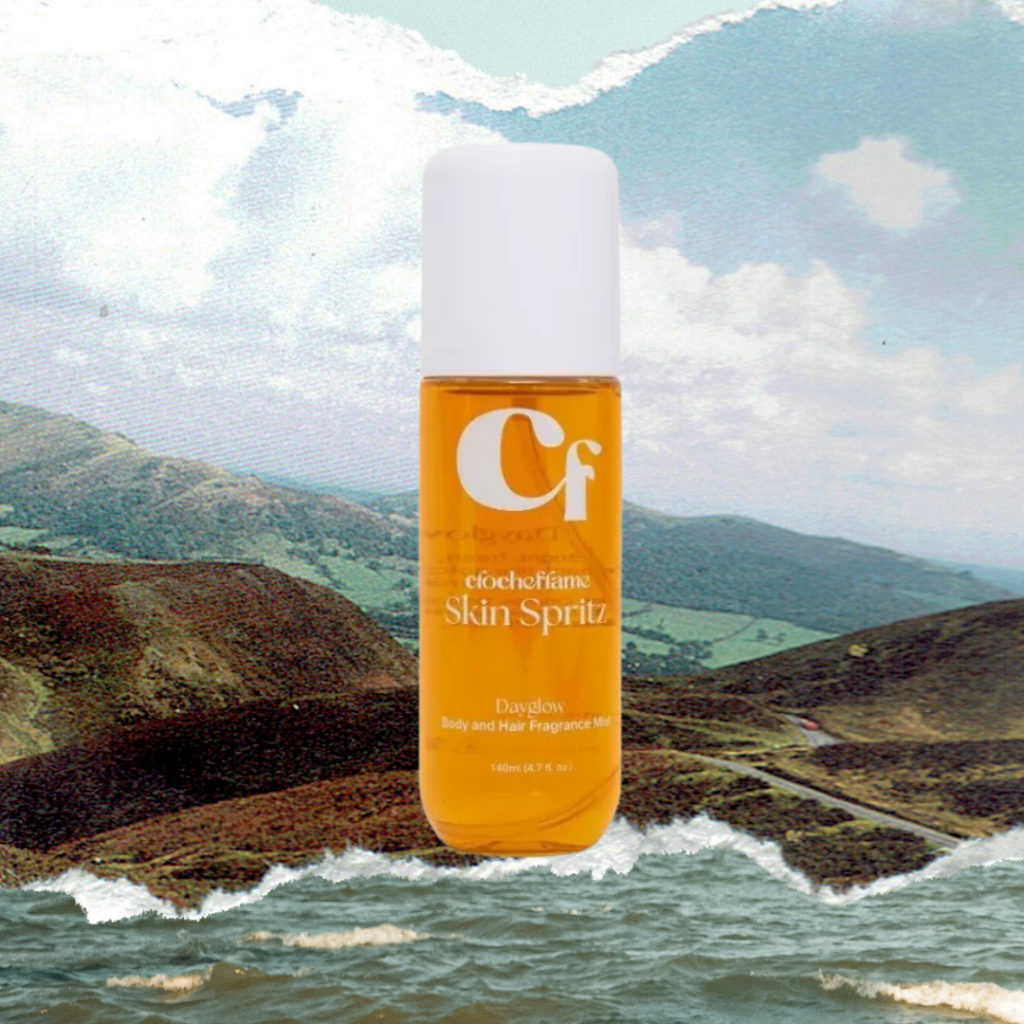
Clocheflame Skin Spritz in Dayglow
P699, The Beauty Edit
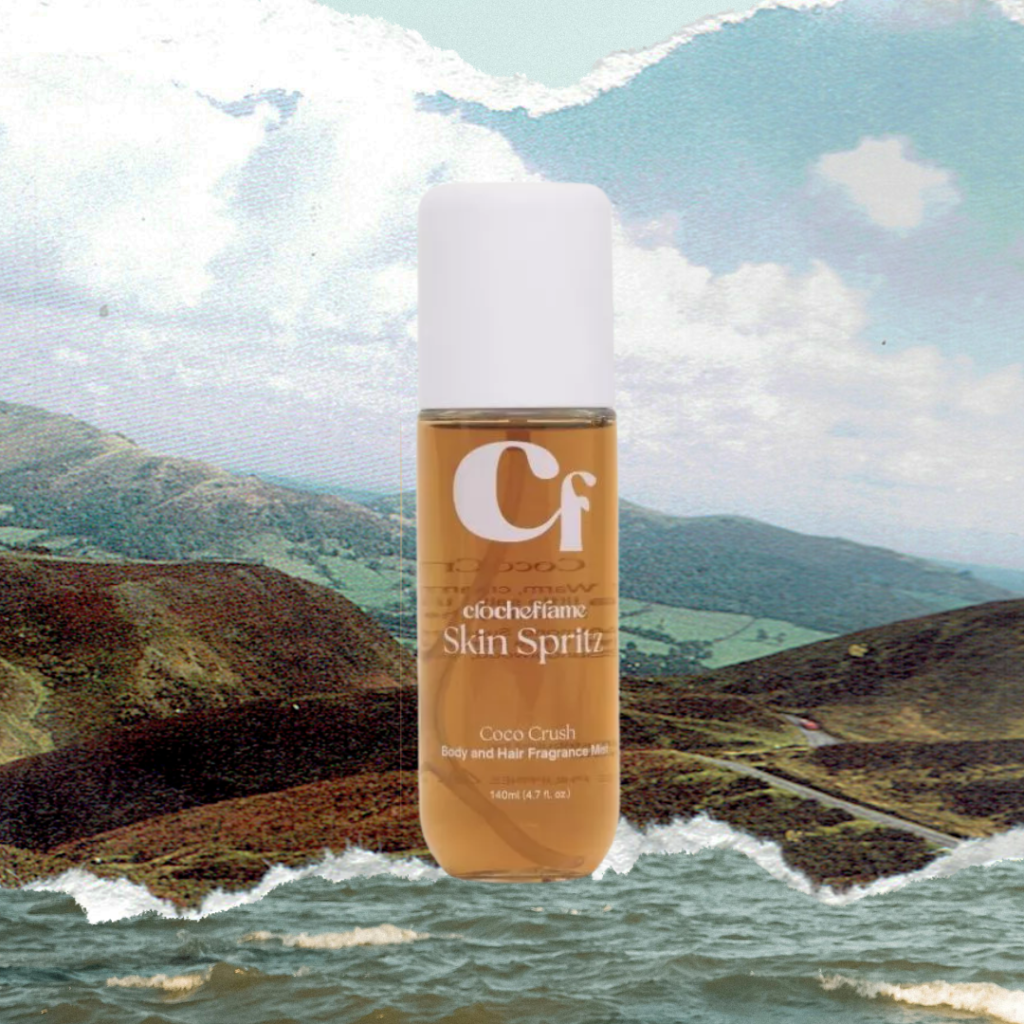
Clocheflame Skin Spritz in Coco Crush
P699, The Beauty Edit
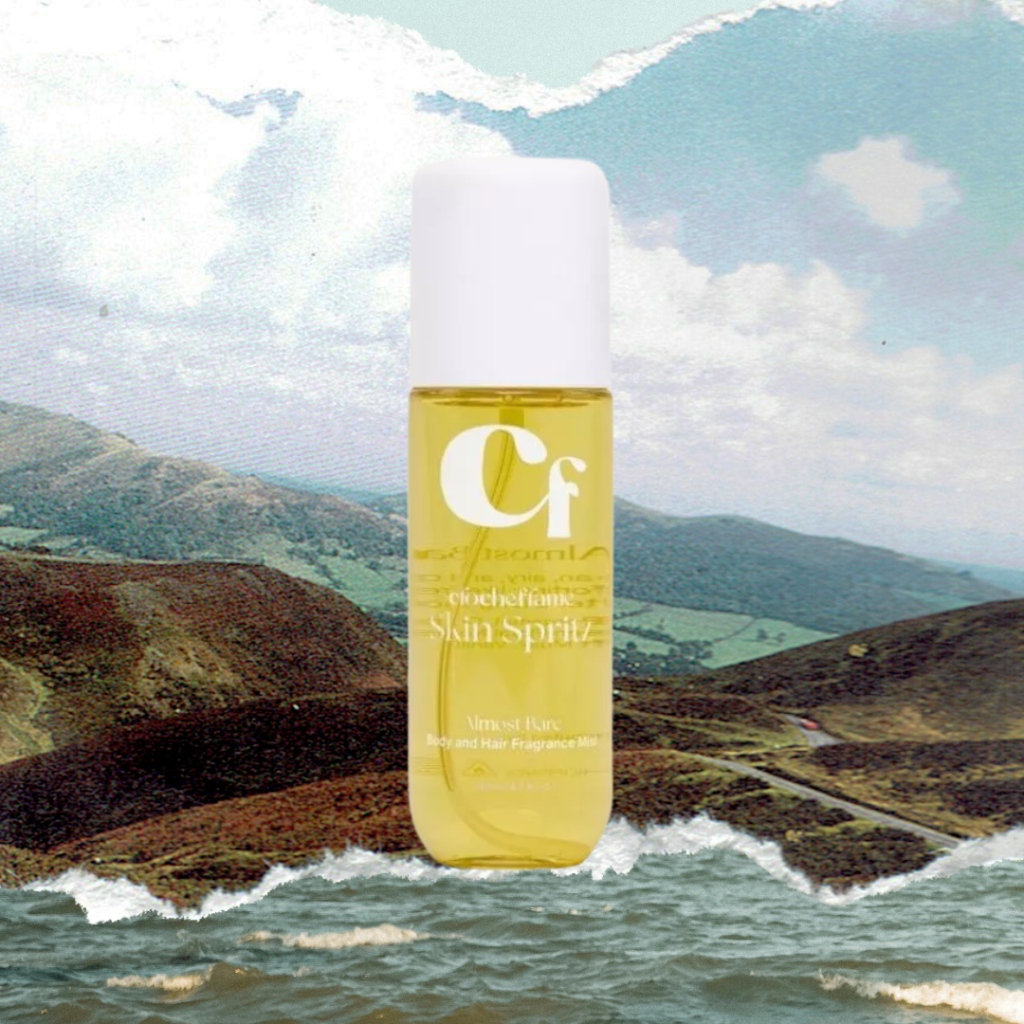
Clocheflame Skin Spritz in Almost Bare
P699, The Beauty Edit
Shop Clocheflame and more Filipino beauty brands at The Beauty Edit Gallery at Spatio, located on the 3/F of Opus Mall, Bridgetowne Destination Estate, Quezon City. An editorial-led retail concept—and the first-of-its-kind in the local scene—the gallery spotlights indie innovators, cult icons, and niche trailblazers shaping F-beauty today.