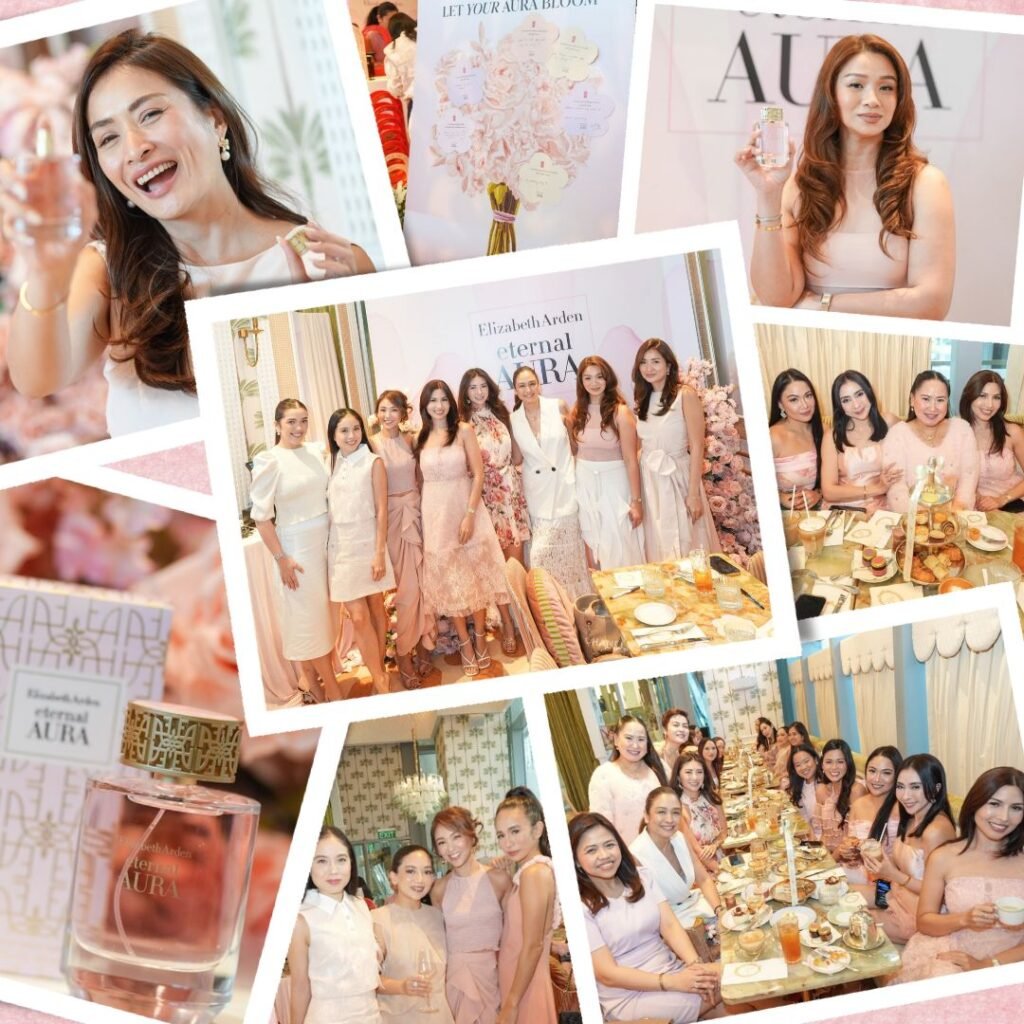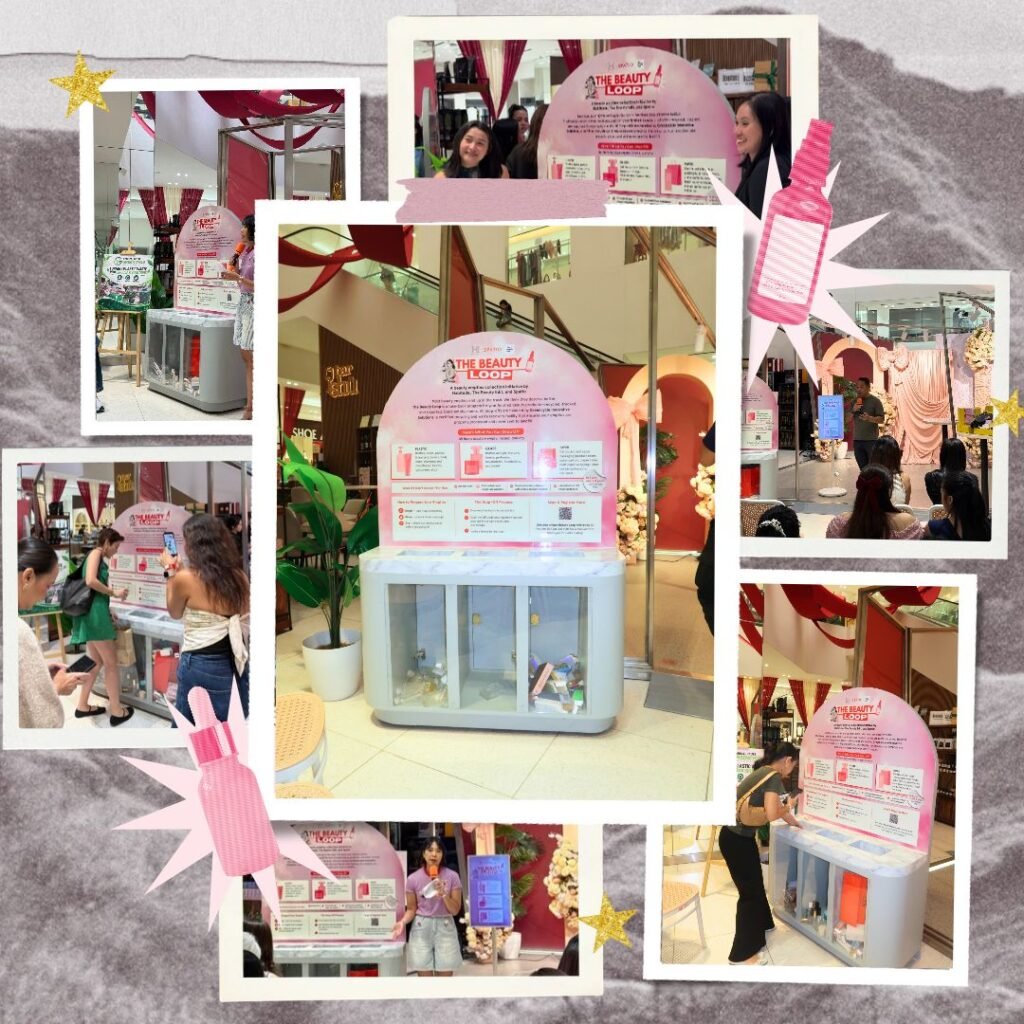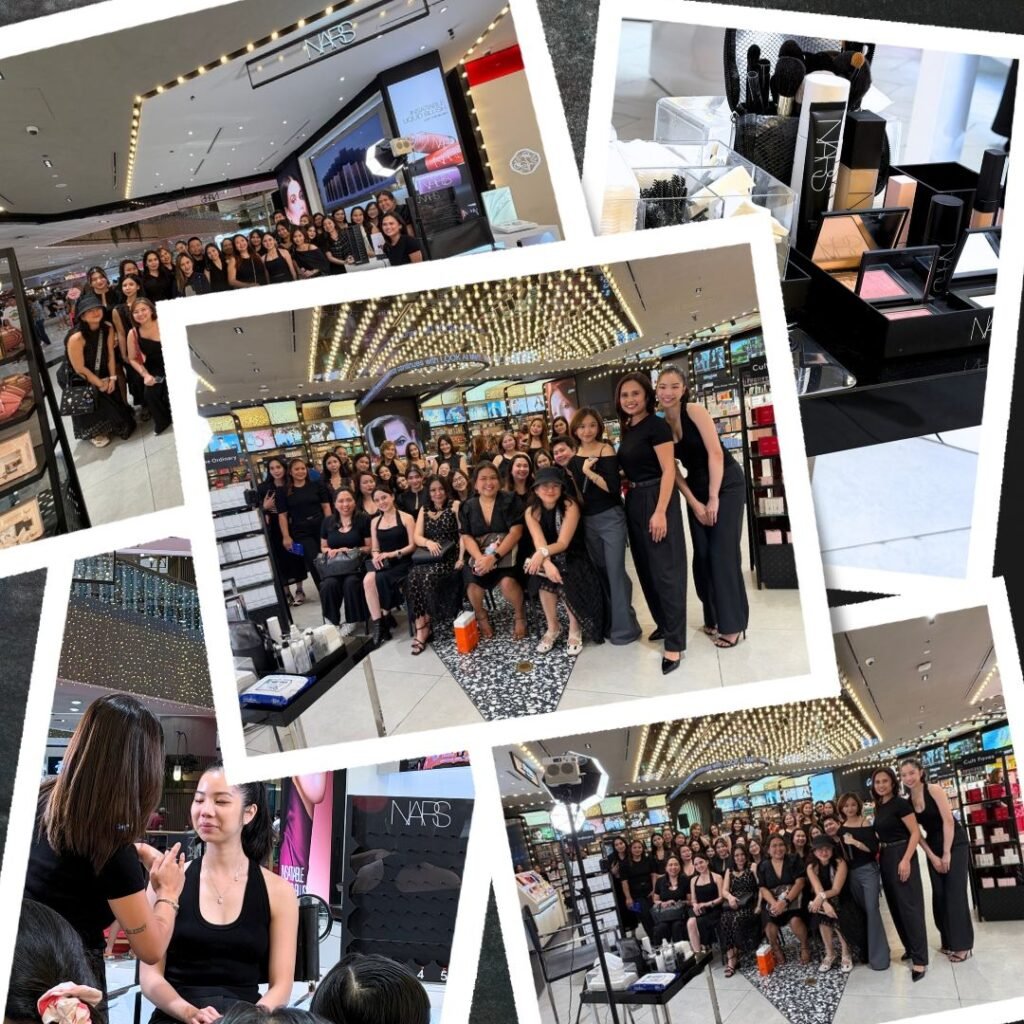
It’s the summer of 2015. A senior newspaper editor walks into a function room. Before she can even scan the premises for a warm, familiar face, she is welcomed by the shrill, zealous call of a PR manager: “Hi, Sis! Glad you can make it!”
“Am I Sis? Are we sisters? Who u? Please stop clinging to my arm…” were just a few of the editor’s thoughts. You see, in those pre-reels times, the divide between media and PR was much more pronounced, observed, and dare I say, internalized. Most editors from that generation were pioneers in their field, having built their careers alongside the media outlets they helped establish. They were icons before the label grew stale; chic before the word lost its meaning.
On the other hand, the on-the-ground PR managers were fresh out of college, released into the wild with no more than an outgoing personality and basic training to show for it. So there was not only an age gap, but also significant disparities in knowledge, etiquette, and status. In those days, believe it or not, clinging to an editor and calling her “Sis” was a major overstep—and the transactional nature of PR-to-media relations kept people at arm’s length, literally and hierarchically.
To be clear, this was not my experience because I am what you could categorize as a second-generation editor. We were the aspiring journalists who worked for the icons, millennials who grew up watching Sex and the City, where the journalist was close personal friends with “Samantha Jones, PR.” We enjoyed some level of reverential treatment but only by association, and we were about the same age as the PR managers. Without the burden of carrying our sections on our backs or being the face of our publications, without the onus of deciding which press releases to run or courting potential advertisers to validate our existence as profitable, I found it easier to connect with PR colleagues and effortlessly transition into the so-called friend zone.
When PR Stopped Saying Hello
A couple of weeks ago, I came across a post by a journalist who claimed PR and events have become so transactional. She wrote about how, back in the day, editorial wasn’t only about deliverables—that the relationship between PR and editor was built on trust. She talked about the realities of being a journalist in the age of content creation and being expected to commit to a post or a reel in exchange for a PR kit even before experiencing the product. Her sentiments were felt by journalists across the internet, including myself. My inbox is spammed with PR emails that don’t even have introductions. We take niceties and small talk for granted until they’re taken away. As an editor for over 20 years, believe me when I say this: Pasting your press release in your email with zero context does absolutely nothing to improve its chances of getting featured.
When I attend events, I feel invisible despite making an effort to introduce myself. I’d chalk it up to my own irrelevance, but professionals (who are also friends) working in PR have more to say.
Monique Buensalido, AVP for Digital and Accounts, explains it well: “The traditional view is that PR professionals have to ‘earn’ coverage from trustworthy and credible third parties, which means you don’t engage via paid engagements. This is why PR professionals focused a lot on building relationships with media, editors, and journalists in the past. But with the explosion of digital and social media, it has created a lot more channels and voices that are seen as credible and resonant. Most media outlets have built strong brands and audiences that have stood the test of time, but in beauty specifically, social media has changed the way we discover and engage with beauty products.”
As an editor for over 20 years, believe me when I say this: Pasting your press release in your email with zero context does absolutely nothing to improve its chances of getting featured. 
She adds that content creators have become another key channel for beauty, as seeing real people evokes more honesty and authenticity in the story. “Sometimes, you don’t even need to know who the content creator is. You just see him or her use a product—thanks to your algorithm—and it already kind of piques your interest or changes your mind about the brand. Even brand owners are more open to appearing in front of the camera to be a little bit more transparent towards the audience.”
Buensalido continues: “Unless we handle one single brand, this also means that we never have just one pool of media and creators; we tend to look at a host of media outlets, editors, journalists, and writers. We have to think of who will continue to have impact; then we also have to look at smaller outlets and creators to identify who has good potential to invest in. This is also why engaging with many media and content creators these days often requires a lot more paid engagements.”
Michelle del Rosario, Co-founder and CEO of Storyscope Strategic Communications Group, echoes this sentiment. “At its core, PR is built on relationships, trust, and reliability. Those can be lost with how the work is done now.” Routine visits and press rounds, for example, are no longer common practice. “These days, communication through emails or messaging apps is the norm. With that and less face time, it’s harder to get to know media personalities and maintain relationships. Media events were more frequent before, which is why I always see the value of doing big or intimate gatherings. It’s a nice opportunity to see editors and writers who are old friends, and also welcome younger editors, allowing us to start relationship-building with them, too.”
Old-School PR Meets the New Rules
After speaking with the OGs, I turned to Karlene Sison, a new-generation PR girlie at Arrive PR, where she works alongside her sister, Fel Sison-Garcia, the agency’s president and CEO—and another OG. She shares, “As a journalism graduate, I had limited knowledge of what PR entailed before entering the industry. I was more exposed to hard news than lifestyle and niche beats, and my experience was largely rooted in traditional print media. Because of this, I was more accustomed to straightforward, news-driven storytelling rather than the more strategic, campaign-driven approach that PR takes today.”
Now, though, she sees it as something that goes beyond traditional media placements. “For me and my sister and partner, we view PR as relationship building. Strategy plays a big part: finding the perfect channels to generate authentic engagement. We always take into consideration if the brand aligns with their lifestyle, their practices, etc.”
“At its core, PR is built on relationships, trust, and reliability. Those can be lost with how the work is done now.”—Michelle del Rosario, Co-founder and CEO of Storyscope Strategic Communications Group
The digital age has fundamentally changed how the business works. There is greater focus on strategy and efficiency because everything these days is a numbers game. Changes in processes and protocol—from remote working and the rise of content creation to its inevitable encroachment upon traditional media, and simple generational differences—have reshaped how PR and media interact. The result can feel incredibly impersonal, especially to journalists who remember smoking a cigarette or two with PR friends while waiting for their ride, hours after the event has ended—or some healthier equivalent thereof.
But who’s to say these little bonding moments aren’t still happening today? After all, PR and media have always had a transactional relationship at their core, and that doesn’t have to be a bad thing. There were stories to place, pages to fill, and professional agendas to fulfil. What may have changed is not the transaction itself, but what happens around it: the time, proximity, and human interaction that can turn a professional relationship into a personal one.
Making Room For the Human Part
This is where traditional values come in, if not simply old-school etiquette. The reality is that it’s not just PR that feels transactional—nearly everything does. My grandmother knew the names of every single neighbor on her street. She got her haircuts from the hairdresser next door. On Christmas Day, she would give little gifts to the hairdresser’s kids. Meanwhile, my neighbors freeze when I greet them with a “Good morning” in the elevator. My hairstylist doesn’t know my name, and I have to admit sometimes I can’t remember hers. (I know this isn’t a universal thing, especially in the beauty world. I’m just really bad at getting haircuts and remembering names.)
We built a world that is paced for convenience and efficiency, so it should be no surprise that we’re walking in and out of moments rather than truly living in them. And neither the PR practitioner nor the media professional is to blame. We’re equally responsible for the state of our relations and equally capable of changing them for the better by being a little more intentional with our interactions.
Fake it till we make it. Start with some obligatory greetings, throw in some small talk, say thank you, and make tentative plans to meet up—rinse and repeat. If this routine sounds familiar to you, you probably come from my generation, and this is exactly how we made friends with each other: through repeated brief yet pleasant business interactions that we’ve come to look forward to over time. Why else would we agree to attend three events in a day in different areas of Makati? You don’t do stuff like that for just anyone.
Maybe the goal was never to eliminate the transaction, but to create enough room around it for something more human to develop. If, somewhere along the way, someone earns the privilege of calling you ‘Sis’—congratulations. You’ve made it.