Before she was a senator, Risa Hontiveros was a journalist—chasing stories, asking questions, listening. And long before earning her spot on the Senate floor, she was in the trenches of advocacy: a community leader and public servant fighting for women’s rights, for mental health, and for safe spaces. She’s authored laws, led movements, raised four children as a solo mom, and once stood among 27 Filipinas nominated for the Nobel Peace Prize. Her résumé is long. But what really sets her apart is how she shows up—always with empathy, always with purpose.
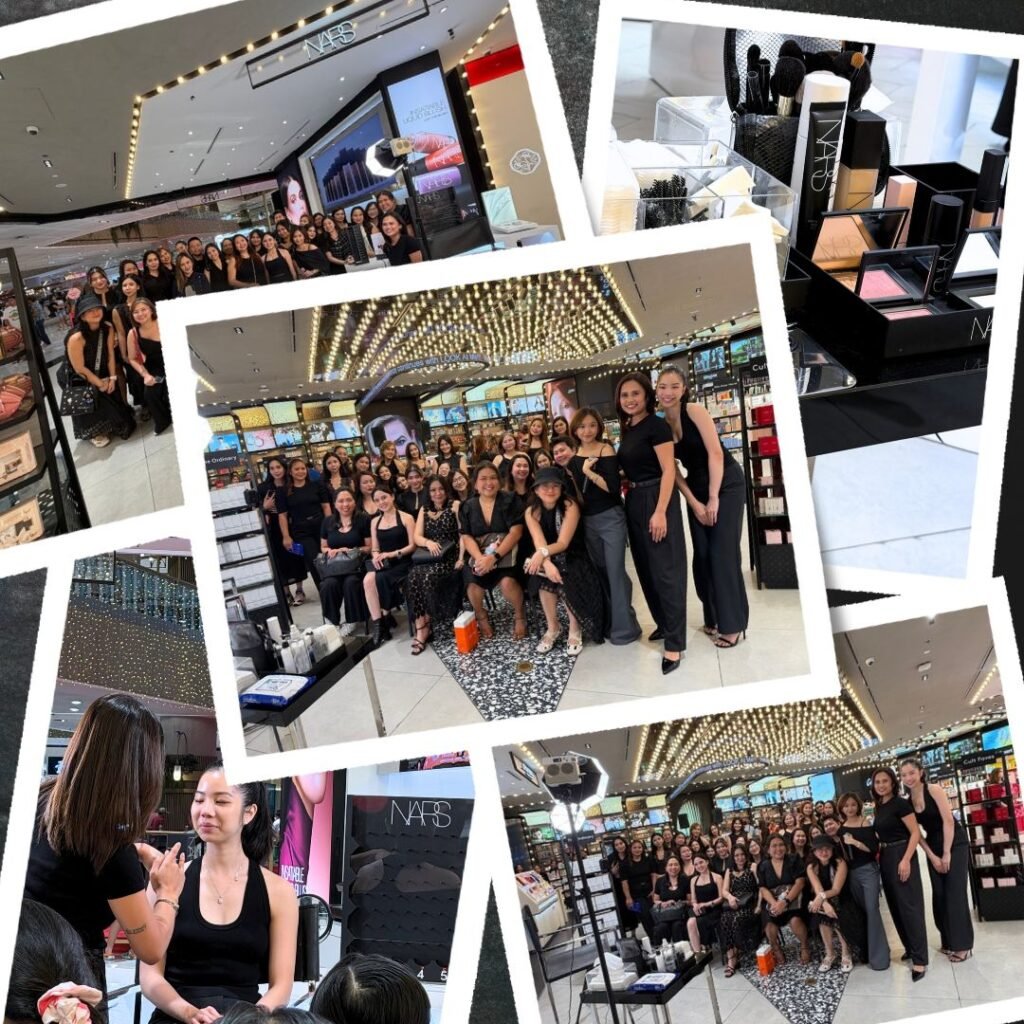
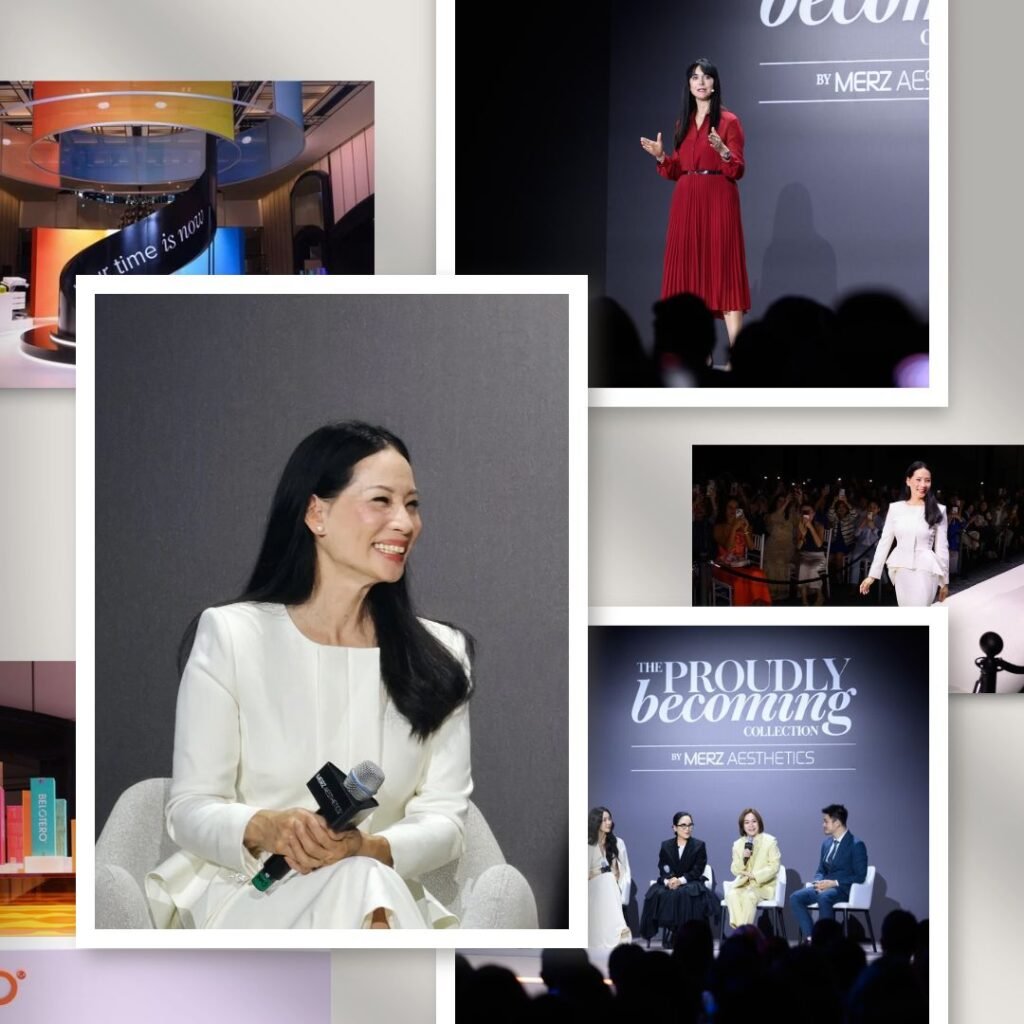
So when she stepped onstage to open Bylines & Beyond: The Editors Forum, The Beauty Edit inaugural event under its series UN/CONVENTION/AL held last May 17—on a Saturday morning, no less—she wasn’t there to deliver a lecture. She came to connect. With grace, humor, and clarity, she reminded the room that beauty writing isn’t fluff; it’s cultural work. It’s about shaping what we celebrate, what we believe, and what we accept. In a venue full of industry professionals who shape narratives for a living, her message landed like a mirror and a challenge: Keep telling stories that move us forward.
Here’s a look back at the words that stirred us—straight from the one and only Senator Risa Hontiveros.
Sometimes, an outsider’s perspective can give you a clearer view. “I myself don’t know very much about beauty. My children know better. But as an outsider, I’ve observed how the advances in your industry have been as rapid as the rise of the internet, social media, and even AI (artificial intelligence).”
Filipino beauty is finding its place—and voice. “It’s incredible that we’re seeing numerous local brands, artists, and influencers putting Filipino beauty on the map. As they say, if there’s K-beauty, F-beauty can hold its own. And it makes me very proud to see the likes of Bretman Rock, Heart Evangelista, or Anne Curtis—all different kinds of Filipino beauty—celebrated all over the world.”
The cost of chasing perfection, however, is getting higher. “This is exacerbated by the rampant consumption of reels, videos, and photos on social media—promoting the perfect nose, the perfect teeth, the perfect diet, and the perfect abs. Techology has made everything seem possible, but not without cost.”
Still, the future looks encouraging. “The democratization of the internet and media has also made it easier for more and more women, men, and persons of all shapes, colors, and sizes, to show up and take up space in places we choose to occupy.”
Writers, editors, creators—you have the power to shape how we see beauty. “What you choose to write, what you choose to cover, and what you choose to promote affects your readers and your audiences. You can either make us love ourselves or despise ourselves. It’s a big responsibility, and I trust that you take this responsibility seriously.”
Culture often leads the law, and media helps move culture forward. “I’ve been witness to how our legislation can sometimes fail to catch up with our cultures or with the lived realities of our people. For example, it’s a big deal when you, in the media, write or feature those in the LGBTQIA+ community. This does contribute to the larger fight of passing the SOGIESC (Sexual Orientation, Gender Identity, Gender Expression, and Sex Characteristics) Equality Bill, which simply seeks to ensure that nobody will be discriminated against just because of our SOGIE.”

We deserve to grow old with dignity, opportunity, and a voice. “As a senior citizen, I’m so happy when lifestyle and beauty articles highlight the timeless, ageless grace of growing older. Thank you for making space for women like me. That’s why the push for active aging or healthy longevity legislation is also close to my heart—it can support our beloved seniors to continue participating and being engaged in our communities, whether it be through cultural initiatives, economic programs, or political participation.”
Even the most controversial issues deserve discussion. “You in the media have not shied away from covering difficult topics like divorce and comprehensive sexuality education—issues that do make us think about how these affect our distinct cultures and our personal lives. No matter where you stand, giving your readers the facts, the right information, and the insights of both experts and ordinary people helps us make informed decisions.”
An informed reader becomes an informed voter. And we need more of those. “For everything you do for our nation—not just in the beauty industry, but also in shaping the cultures of our communities here in the Philippines—thank you very much. Thank you for championing powerful platforms that dare us to imagine a better, more beautiful world.”


Quotes have been edited for brevity and clarity.