Once dismissed as a celebrity vanity project, Rhode, founded just in 2022, is now one of beauty’s most talked-about brands—easily quieting critics who thought the hype would fade.
By 2025, the answer to the question “Will Rhode make it big?” was as clear as its founder Hailey Bieber’s glazed donut skin: over $212 million in net sales from a portfolio of just 10 core products (plus curated sets and accessories, like the lip case), and a billion-dollar acquisition by e.l.f. Beauty—cementing Bieber’s place as one of beauty’s breakout entrepreneurs (and at just 28 years old).
Yes, the “Bieber” name may have opened doors, and being the daughter of a Hollywood actor has its perks. But what resonated most was the idea that with one swipe of Rhode’s lip treatment, anyone could tap into Bieber’s effortless cool-girl aesthetic.
No one can deny that Bieber’s disciplined execution of Rhode has been central to its success. A social-first strategy, minimalist aesthetic, and tightly curated launches generated cultural heat while sidestepping the pitfalls of other celebrity brands that rushed to flood the market with overwhelming product lines.
At the same time, Rhode’s leadership team—led by President and Chief Brand Officer Lauren Ratner and Vice President of Global Marketing Kelsey Bidel-Niyat—built the infrastructure to sustain the buzz, making the brand not only desirable to consumers but also scalable as a business.
For the beauty industry, Rhode has become a case study in how to convert celebrity capital into real business value. It has shown how products can move beyond the mere attachment of a famous name and instead evolve into credible competitors on the global stage.
The Rise of Rhode
By the time Rhode entered the already-crowded celebrity beauty market, many brands had come and gone. Among the celebrity-powered brands, Rihanna’s Fenty Beauty was considered the gold standard, especially when it was brought into the LVMH (Louis Vuitton-Moët-Hennessy) fold. Fenty’s global success made it the model for celebrity-backed ventures.
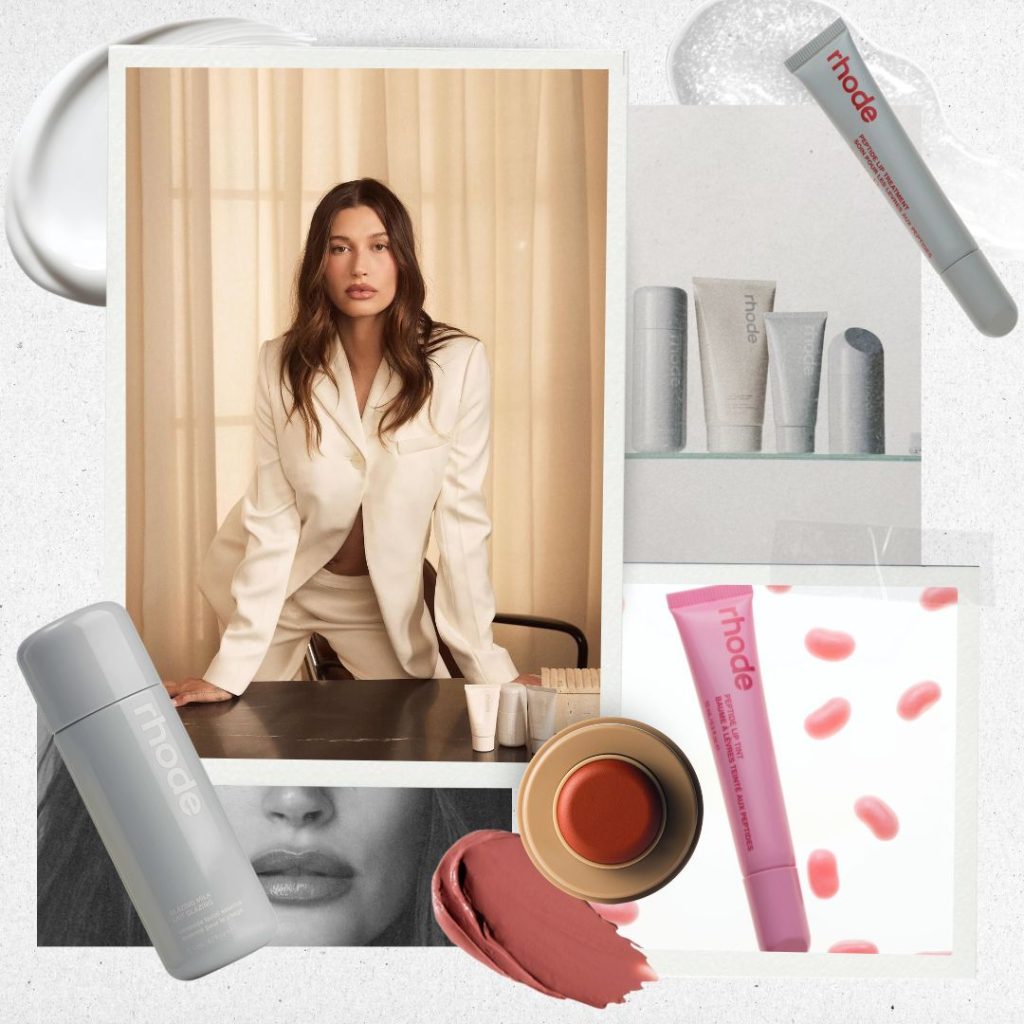
When Rhode launched in 2022 with just three initial products—the Peptide Glazing Fluid, Barrier Restore Cream, and Peptide Lip Treatment—it was seen as minimalist, functional, and peptide-focused. Unlike color-driven cosmetic lines, Rhode positioned itself squarely around skin health.
The gamble—a hyperfocus on the “glazed donut skin” aesthetic that Bieber had popularized on the social media platform TikTok —became synonymous with Rhode, making anyone who wore the products a “cool girl” by association: dewy, healthy, and uncomplicated. The hero product, the Peptide Lip Treatment, repeatedly sold out, amassing waitlists that surpassed one million. With Rhode’s perfect alignment of a lean product offering and single, distinct look, Rhode tore itself away from the overcrowded, maximalist celebrity beauty brands.
Skepticism, however, was inevitable. Comparisons to mega-hit Glossier couldn’t be helped, given the similarities in look and product offerings of Rhode. Critics wondered why she chose to launch her brand with just three items rather than a slew of products and a freedom of choice for the consumers to make. And the fact that Rhode was directly tied to Hailey Bieber, child of Hollywood actor Stephen Baldwin and wife to one of the most recognizable faces in music, Justin Bieber, led some to brush it off as just another product line riding on a celebrity’s star power.
But execution won out. Rhode’s direct-to-consumer model ensured control over the brand experience.The carefully timed drops, limited shades, and social media teasers all created a feeling of scarcity, exclusivity, and urgency. By the time Rhode reached its first anniversary, it had become a cult favorite. What seemed like a niche experiment rapidly turned into a breakout business.
Fast forward to this year, and Rhode’s numbers are proof that a tight, deliberate strategy could stand out in a crowded industry.
A Team Effort
Rhode’s most visible asset has always been its founder. Even before the brand launched, Bieber’s whole look—glowing skin, effortless fashion, and attainable glamour—was the blueprint for Rhode’s identity.
Her reach was undeniable: with 55.5 million Instagram followers and 16.5 million on TikTok (as of this writing), Bieber had a direct line to consumers. Her GRWM (Get Ready With Me) videos, selfies, and casual product placements didn’t feel forced or overly commercial. Instead, they blended naturally into her routine—like that cool friend who casually shows you what she’s using at the moment.
But follower count and celebrity status don’t guarantee brand longevity. Celebrities endorsing brands have been the norm for decades, but that doesn’t always guarantee conversion to sales. Many brands often enjoy a burst of hype, only to fizzle when the star’s influence fades. Rhode’s challenge was to avoid becoming another flash in the pan.
Bieber got one thing right: She used her cultural relevance to spark initial interest, then entrusted a strong team to build lasting value. Lauren Ratner, Rhode’s President and Chief Brand Officer, and Kelsey Bidel-Niyat, Vice President of Global Marketing, built the operational backbone and crafted the social-first campaigns that kept Rhode top of mind. They understood how to turn Bieber’s influence into sustained engagement.
Now, with Rhode under e.l.f. Beauty, the real test is whether the brand can evolve beyond its founder’s celebrity power while staying true to the identity that drew millions of fans in the first place.
A Masterclass in Beauty Marketing
Let’s give credit where credit is due: Rhode is a master in transforming product launches into cultural moments. Sure, having Hailey Bieber’s face draws instant attention. But it’s the brand’s meticulous marketing strategies that convert buzz into sales.
Weeks before a drop, Rhode stirs speculation with subtle hints. Hailey uses unreleased products in her videos, while teaser images and behind-the-scenes clips set the tone without giving too much away. Products are seeded to influencers ahead of launch, and immersive pop-ups reinforce the brand’s aspirational lifestyle.
This drip-feed approach ensures every debut feels like a full brand experience rather than just another shelf addition. This approach, though more detailed and complex in execution compared to straightforward launches, is a full sensory rollout. Take the launch of the Cinnamon Roll Lip Treatment in late 2024—a limited edition drop for Bieber’s birthday. Cinnamon roll recipes were shared with the community, and a “cinamilk latte” was created in collaboration with Los Angeles-based coffee shop, Community Goods. Warm brown tones dominated the campaign visuals, evoking comfort and indulgence—perfectly aligning with the cinnamon roll aesthetic without being too in-your-face. Even the logo was dusted in cinnamon sugar!
For the Peptide Lip Shape campaign during January 2025, Rhode fans had already spotted the lip liners in Bieber’s routine before the official reveal. By the time the visuals—created in collaboration with pop star Tate McRae—dropped, the conversation was primed to convert directly into sales.
Rhode excels at selling more than just products; it sells an aspirational lifestyle.Think ski trips, cocktail hours, and beautifully curated mirror selfies that still come off as effortless and authentic. The Lip Phone Case campaign, featuring Alexandra Saint Mleux in late 2024, is a telling example. Saint Mleux’s dreamy, European aesthetic and her visibility in the Formula 1 world expanded Rhode’s reach into affluent global markets. Her posts helped reframe Rhode’s lip treatment and phone case as a chic accessory for an international “It” crowd. The direct effect of seeing this lifestyle is that the consumer can adapt to a lifestyle with just one swipe of a Rhode product. Genius.
Finally, Rhode has leaned into scarcity with laser precision. Waitlists, limited shade runs, and the occasional “out of stock” messaging all create the sense of belonging to an exclusive club. Yet, the brand balances this with community touches: Reposting fan content, designing PR packages that encourage flatlays and selfies, and letting consumers feel like participants rather than passive buyers.
These strategies explain why Rhode has achieved nearly $400 million in earned media value in 2024 alone. The brand’s campaigns go beyond selling products. They sell a mood, a community, and the promise of access to a lifestyle that feels both aspirational and attainable.
There’s Beauty in Numbers (and the Noise)
Looking at the numbers that Rhode has garnered, they must be doing something right. From March 2024 to March 2025, the brand generated $212 million in net sales through its ten product portfolio. This averages to $20 million per SKU, a figure far above the norm even for best-selling beauty launches. Its direct-to-consumer model maximized profit margins and kept growth efficient.
But the wins weren’t without setbacks. Rhode faced a 2022 trademark lawsuit over its name, signaling the risks of entering an oversaturated market. Previous supply shortages and past complaints about the “grainy” texture of the Peptide Lip Treatment revealed cracks in the brand. And in an increasingly crowded industry, the question remains: How long can Rhode sustain the hype and stand apart from the pack?
Despite these, Rhode’s victories made the beauty industry giants take notice. In May 2025, e.l.f. Beauty announced the acquisition of Rhode for $1 billion. The deal, which includes “consideration payable at closing in a combination of cash and stock, subject to customary adjustments, and an additional potential earnout consideration of $200 million based on the future growth of the brand over a three-year timeframe,” based on its official press release, will give Rhode the ability to tap into e.l.f.’s distribution network and global retail partnerships, such as Rhode’s rollout in Sephora stores in North America and Europe. e.l.f.’s infrastructure will also provide the operational backbone to help resolve Rhode’s recurring supply issues.
“My goal since day one has been to bring Rhode to as many people as possible, however they prefer to shop, whether that’s online or in-person.”—Hailey Bieber, Founder of Rhode
For e.l.f., the deal is more than financial. It signals a shift in identity: from being known primarily as a source of affordable “dupes” for prestige beauty to positioning itself as a serious contender in the global beauty arena—while still staying in its “attainable beauty” lane.
Early this month, on September 4, Rhode made its highly anticipated debut at Sephora online and in all U.S. and Canadian stores, marking it the retailer’s largest North American launch to date. More than 2 million searches for “Rhode” on the Sephora website and app occurred during the launch, and first-day sales reached around $15 million.
Bieber has always aimed to make Rhode accessible to everyone, saying, “My goal since day one has been to bring rhode to as many people as possible, however they prefer to shop, whether that’s online or in-person.”
Still, Rhode’s billion-dollar valuation hasn’t escaped controversy. Critics argue the deal reflects Hailey Bieber’s celebrity cachet more than the brand’s long-term fundamentals. And with a slim 10-product lineup, Rhode might be forced to expand, which might be seen as an antithesis to what made Rhode so coveted in the first place—a few products for the chosen few. And with the brand so closely tied to Bieber herself, a dip in her cultural relevance—or even a single misstep in the unforgiving world of cancel culture—could jeopardize Rhode’s trajectory.
But, even with these qualms and setbacks, Rhode’s acquisition solidified the brand’s transformation from a celebrity project to a legitimate beauty industry player. The acquisition will be a test of Rhode’s ability to remain aspirational and cool while expanding globally and becoming more accessible.
The “Rhode” to Success
Rhode’s rise reads like a playbook for building a celebrity brand that lasts—one that stays relevant in an industry where trends shift fast and loyalty is scarce. If Rhode were to publish such a playbook, these might just be some of the key takeaways and winning plays included in it:
Authenticity builds trust.
Rhode works because its founder’s personal aesthetic is inseparable from brand identity. The “glazed donut skin” wasn’t a marketing tactic; it was already part of her skin routine even before Rhode debuted. Her followers—and later, fans of the brand—recognized the authenticity, building trust.
Focus on fewer, stronger products.
With Rhode’s lean portfolio, it has kept operations tight and messaging clear. This curated approach works exceptionally well for startups, driving higher sales per product while avoiding inventory bloat. And if a product doesn’t sell, it’s easier to remove it from the portfolio and stop production without incurring too much cost.
Build excitement through exclusivity.
Wait lists, limited drops, and teasers helped Rhode feel exclusive and aspirational, without overusing these strategies to the point of frustrating consumers. Rhode was able to strike a balance: Successful buyers felt they’d scored something special, while those who missed out were motivated to try again next time.
Let social media be the storefront.
From GRWM videos to immersive Instagram launches, Rhode showed the power of social media to serve as a beauty company’s storefront, not just a form of advertising. Under Rhode, social media became a tool to let consumers experience the product by taking a deep dive into a lifestyle that many want to achieve.
Non-founders can extend a brand’s reach.
Celebrity brands usually live and die by their namesake. Rhode took a risk by bringing in other faces—like Tate McRae and Alexandra Saint Mleux—and gained new audiences without diluting its brand identity. For non-celebrity startups, aligned influencer partnerships can deliver the same multiplier effect.
Build a resilient brand.
Rhode’s $1 billion acquisition by e.l.f. Beauty is as much about logistics as it is about hype, which is a good thing, because scaling will help the products stand on their own merits, not because Hailey Bieber uses it. Celebrity star power can only take brands so far, and if their influence fades, the brand will likely follow. Without infrastructure, such as resolving supply chain issues, addressing retail distribution, and improving product quality, even the most substantial marketing efforts will falter. For entrepreneurs, building a resilient business means that no single person, not even a founder, becomes its only selling point.
Rhode proves that even in a celebrity-saturated market, a clear vision, disciplined execution, and authenticity can cut through the noise. Hailey Bieber’s influence, paired with strategy and a capable team, has yielded legitimate business value.
As Rhode enters its next chapter under e.l.f. Beauty, the question that lingers is whether beauty can scale without losing the authenticity that made it a phenomenon. For beauty entrepreneurs and industry insiders alike, Rhode is proof that the “Rhode” to success isn’t smooth—it has to be defended, refined, and built to last.
Start Your Rhode
New here? Begin with the products everyone’s talking about.
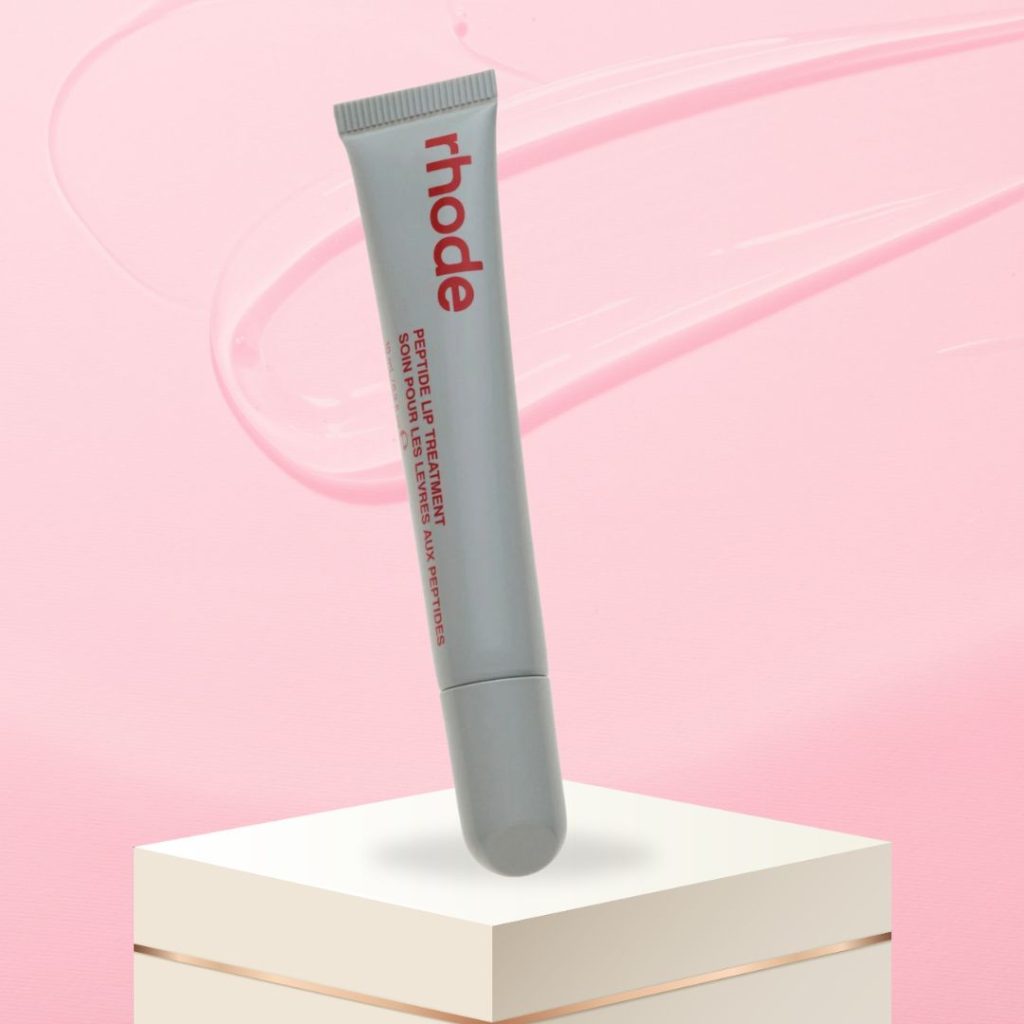
Peptide Lip Treatment
$20, Rhode
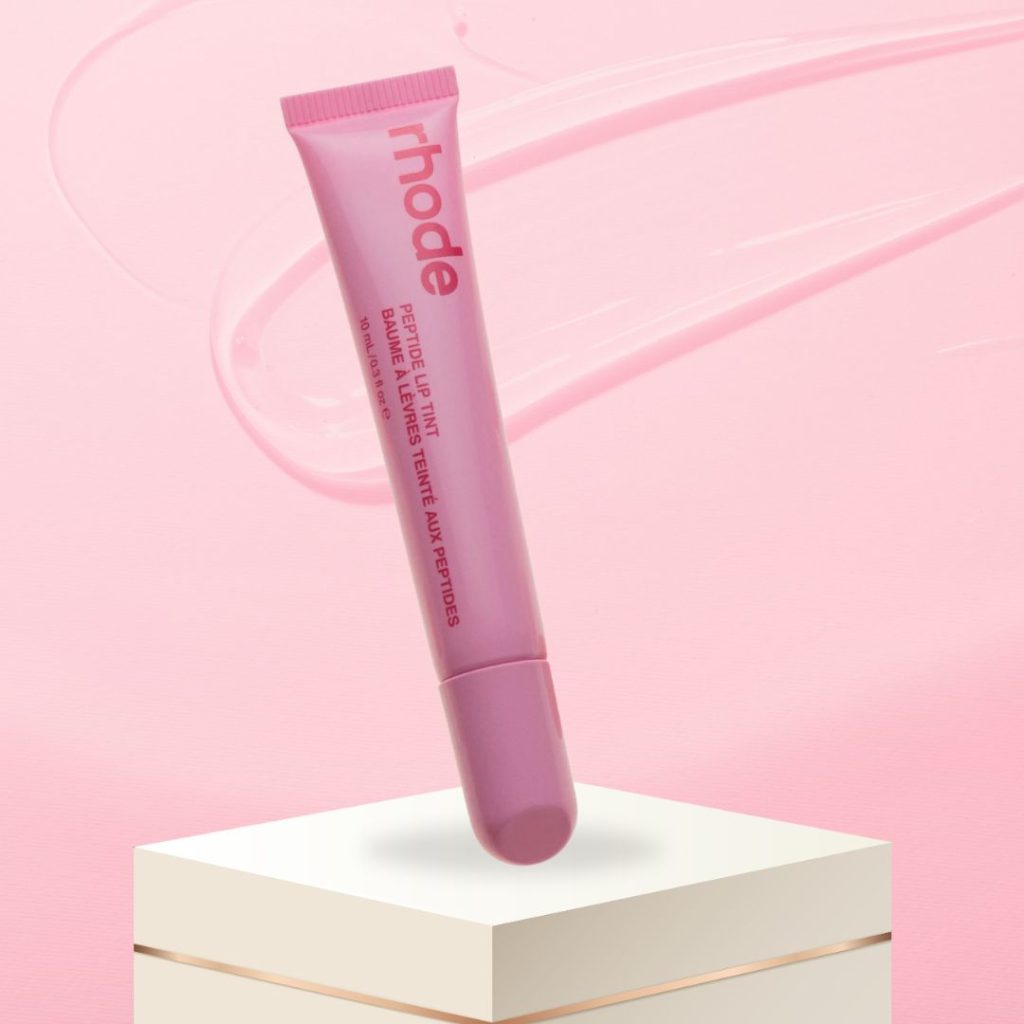
Petide Lip Tint
$20, Rhode
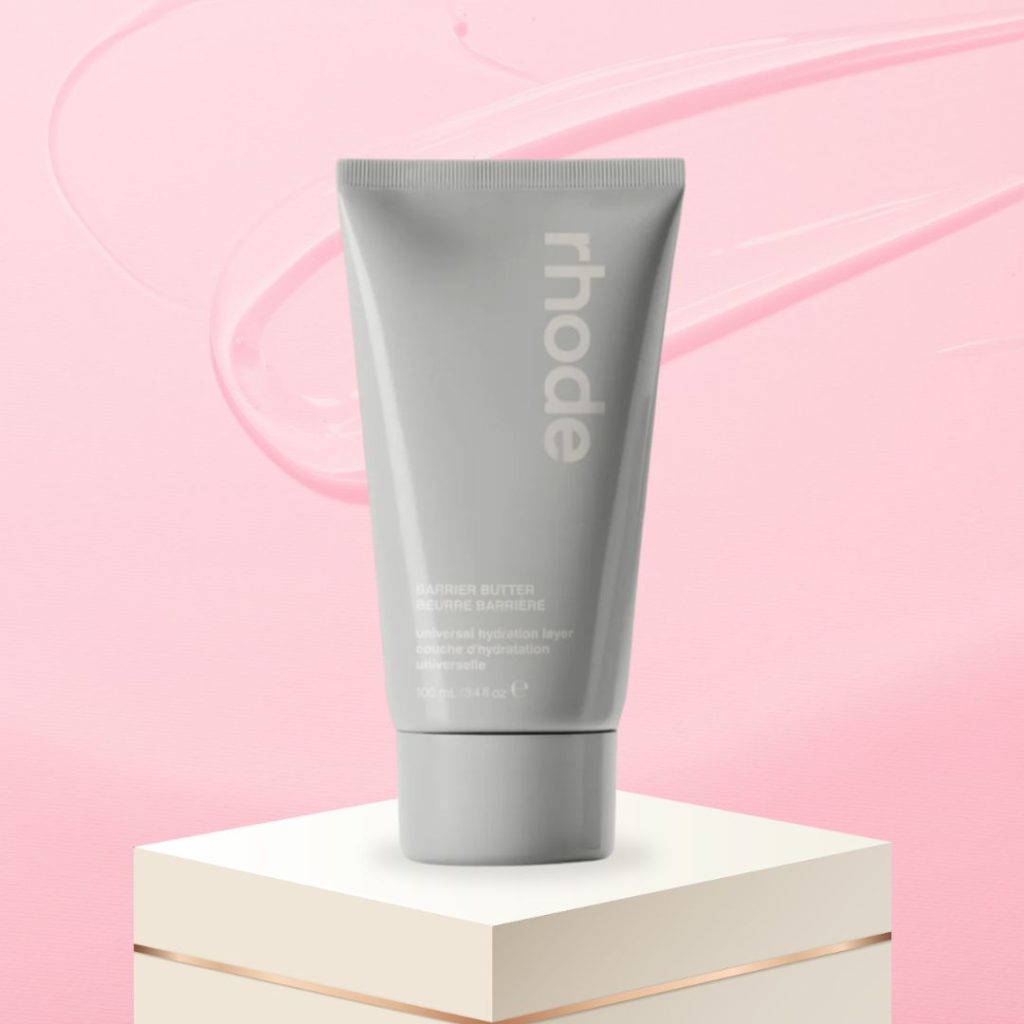
Barrier Butter
$36, Rhode
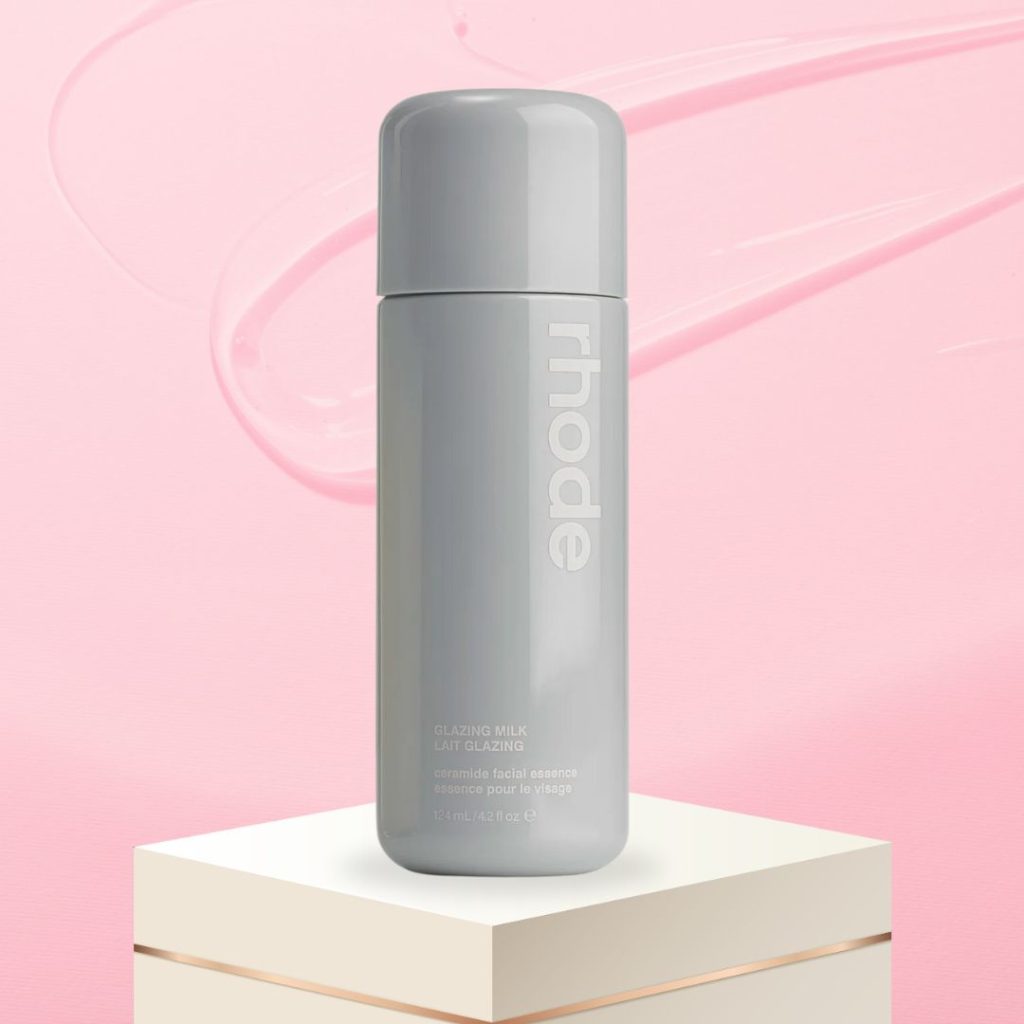
Glazing Milk
$32, Rhode
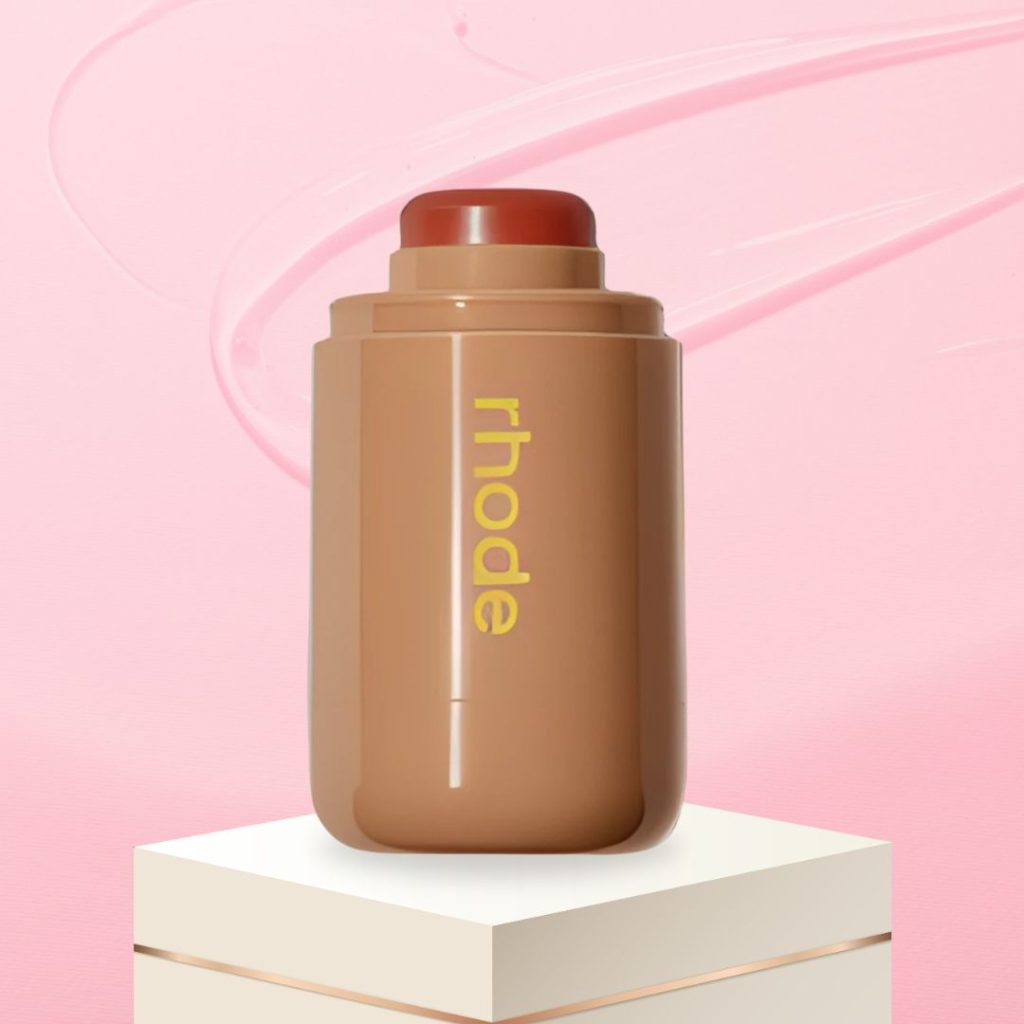
Pocket Blush
$25, Rhode