Welcome to Lessons From the Veterans, a series that goes behind the scenes with industry icons. Through their stories, we highlight the defining moments, lessons learned, and guiding principles that have shaped their careers and influenced their industries.
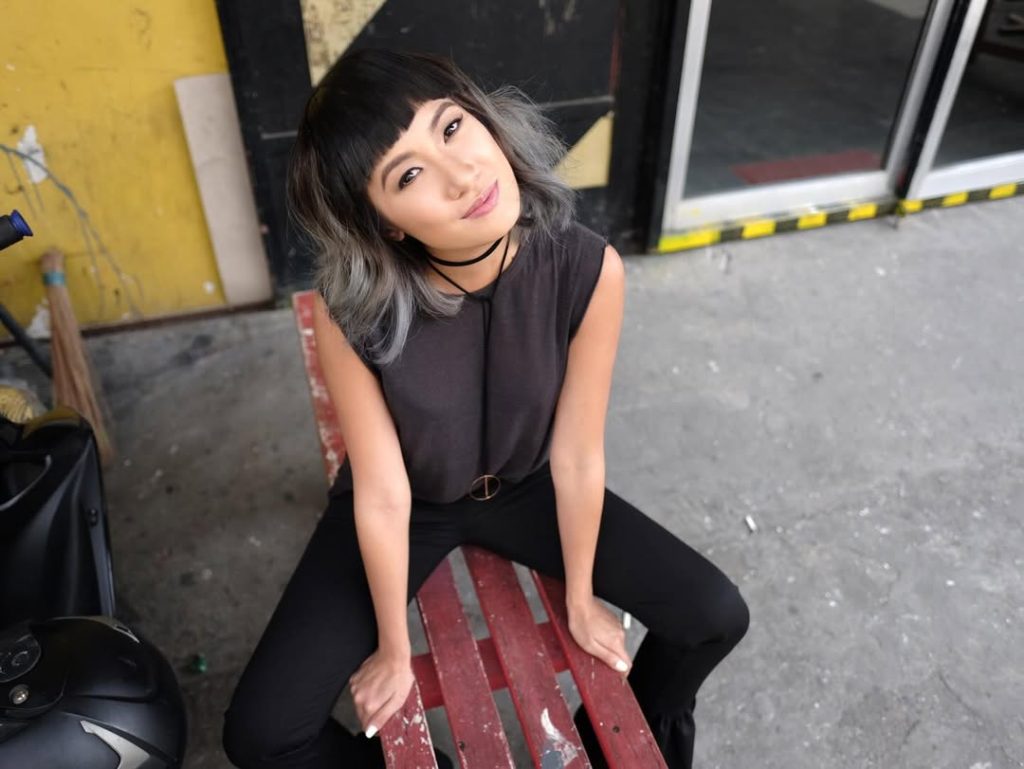
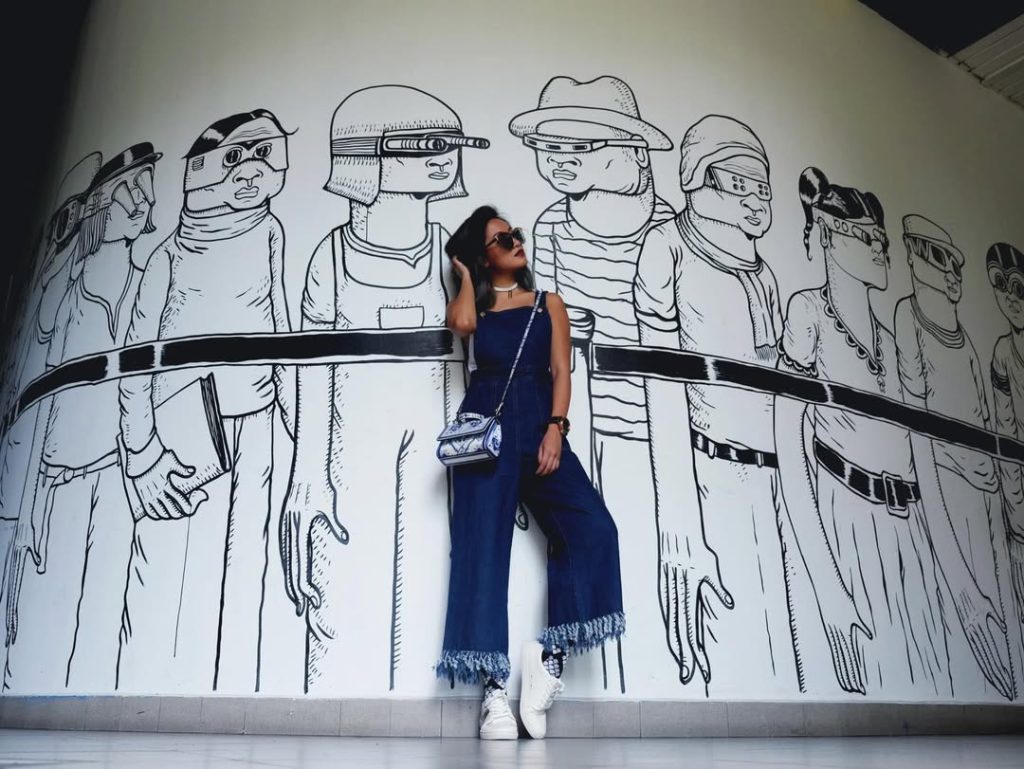
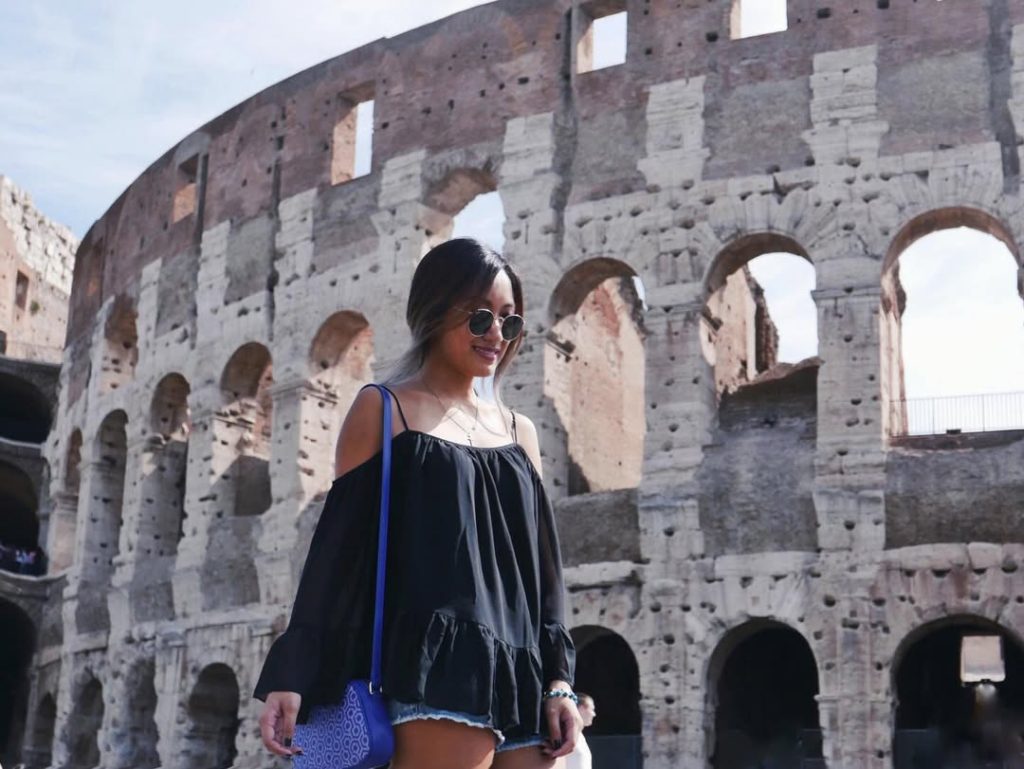
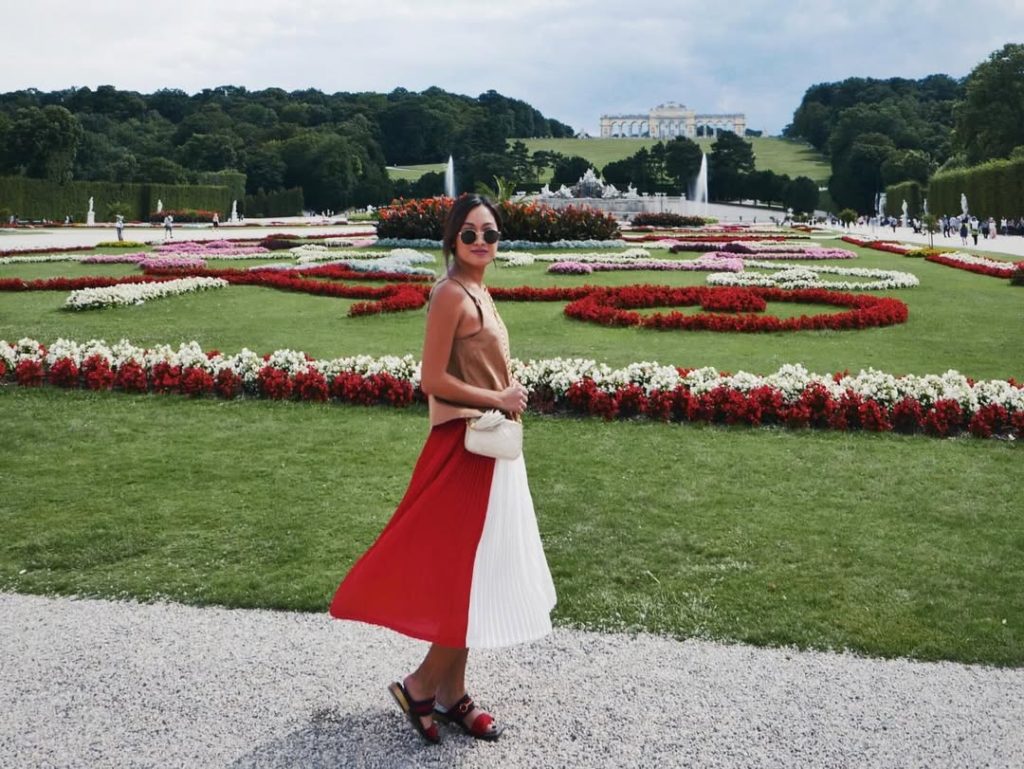
Laureen Uy started blogging before the Philippines had a word for what she was doing. In 2010, when most people were still figuring out Facebook, she launched Break My Style on Lookbook and Chictopia—documenting her outfits, her days, her style influences in full articles she wrote herself, alone, with no team and no template to follow.
Back then, there was no blueprint for what she was building. No trending audio to jump on, no algorithm to game, no genre to fit into. Just a girl who loved fashion and a platform willing to hold whatever she wanted to say.
And the internet, it turned out, was paying attention.
It felt like the possibilities were endless before. Tumblr was the it-app of the moment and fashion had quite the range that we all, without apology, indulged in. Then came the rise of a new kind of creative—social media-savvy, style-driven, and entirely self-made.
They posted freely about what they were wearing, where they were going, and how they were living. There was something genuinely engaging about it, something that caught your attention and kept it. It felt less like broadcasting and more like people finding each other, bonding over shared interests across the globe, one post at a time.
I was just starting in college when this phenomenon hit its peak, and the word “influencer” carried real credibility. These were people practicing a one-man creativity out in the open, and it expanded what we thought was even possible in the creative space.
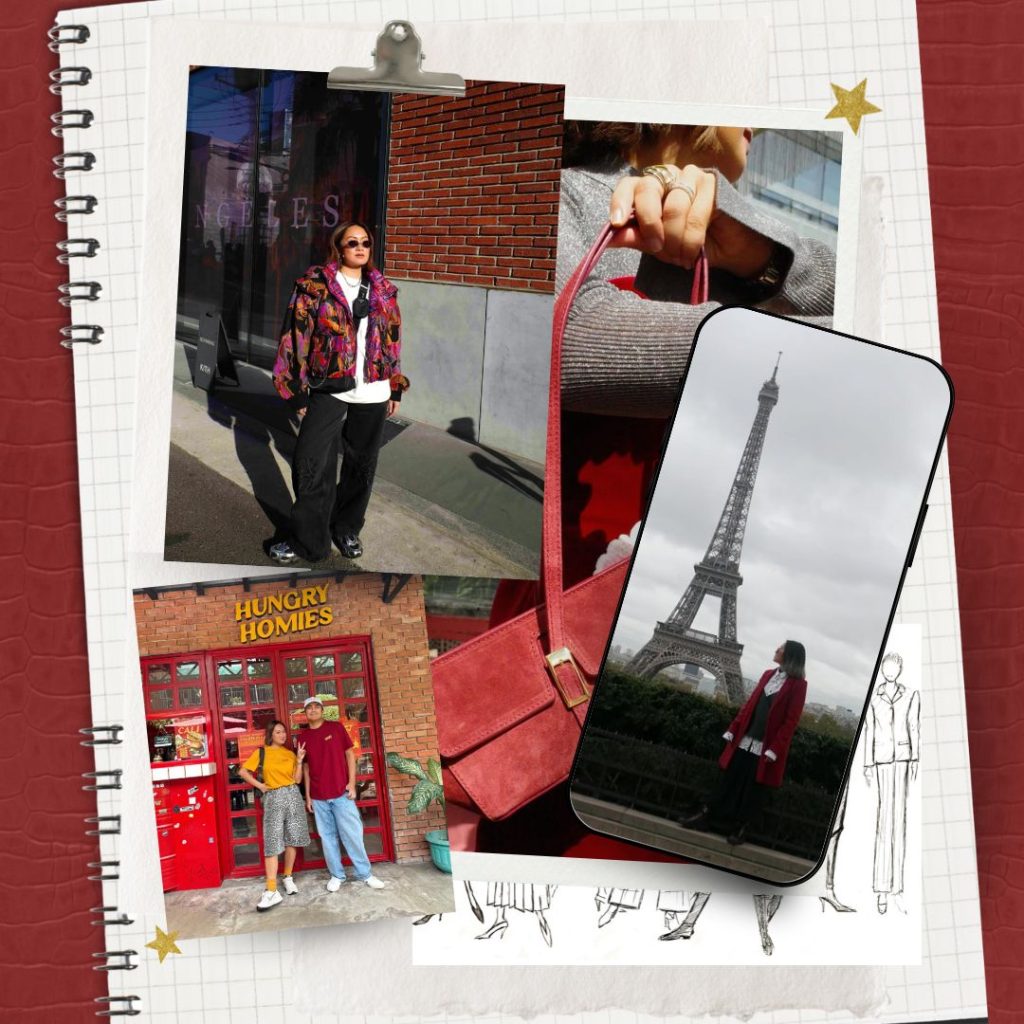
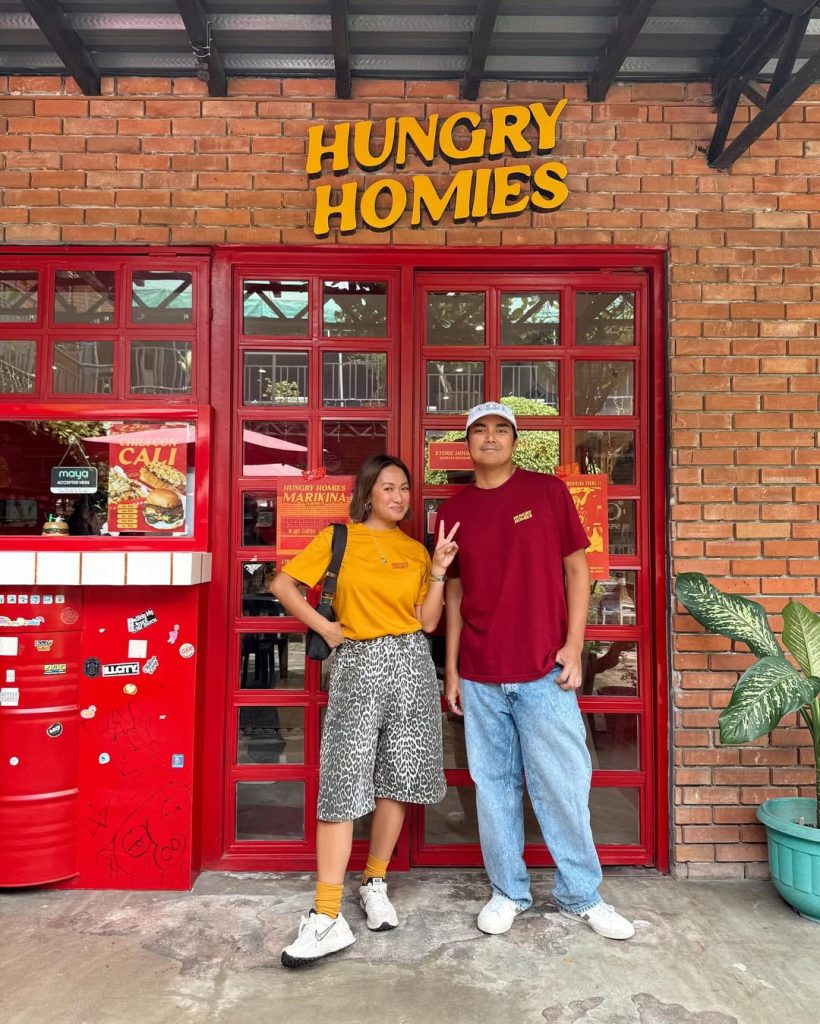
Fifteen years on, Laureen has over two million followers across platforms, a portfolio of brand collaborations that spans Uniqlo to Marc Jacobs, and two food and beverage businesses—Hungry Homies and Flo All Day Drinking—which she co-founded with her husband. She is, by any measure, one of the original architects of Filipino content creation. And she has never really stopped building.
The platforms changed, the formats changed, the culture around it changed—and even the most established names had to find new footing in an industry that never stops moving. Laureen moved with it without losing herself in the process.
Algorithms now determine who gets seen and when. Analytics are reviewed constantly, shaping decisions that once came purely from instinct. Trends turn over so quickly that it becomes harder to tell what’s genuinely you versus what’s simply what’s working this week. These are the invisible pressures that most audiences never notice—but for the people building a career on the other side of the screen, they’re impossible to ignore. And underneath all of it sits a harder question: How does one stay truly authentic in an era built entirely on curation?
Today, she’s still creating, still building, and still—as you’ll find out—deeply curious about what comes next. We sat down with her to talk about the long game: what it really takes to last, what she’s learned along the way, and what, if anything, could ever make her slow down.
The Beauty Edit: You were interning at a fashion magazine at 15. How did you know, that early, that this was the world you wanted in?
Laureen Uy: Back then, we didn’t have [social media or fashion platforms on] the internet yet, and there were no other platforms for inspiration. Fashion magazines were really the only window into something beautiful—and into learning something new about yourself. Different magazines had different energies. Preview was really more about fashion. Cosmopolitan taught you something about your teenage years. Meg was for the early teens.
My love for fashion grew when I started borrowing my sister’s [Liz’s] magazines. She was already in her late teens, and I remember getting so inspired by the editorials in her copies of YM. Seeing my siblings [Liz and Vince Uy] in the industry also made me want to try it for myself.
By the third year of high school, I had already started emailing teen magazines. You know how, at the very end of the magazine, they feature readers who write in and share their stories? Every month, there’d be a question you could submit for a chance to appear in the next print issue. That was my first ever feature—I was extremely happy. From there, I asked if I could intern, and when I got to college, I could finally schedule my days around it. That’s when I started taking it seriously—writing, modeling, doing fashion editorials, and being an editorial assistant. I really wanted to experience all of it.
Break My Style launched in 2010, before Instagram, before there was even a word for what you were doing. What kept you going?
So the backstory: The reason “Break My Style” was the name is because I actually started a clothing brand with one of my best friends first—[it was] called Style Break. That came before the blog. I was juggling that with contributing to several magazines and also selling clothes online via Multiply, just to earn extra. I was a hustler back then.
Then, as I was about to graduate, I decided I wanted a blog. The rise of bloggers was already happening—not in the Philippines yet, but in the States, people like Rumi Neely were already doing it. I told myself: Why not have an outlet to document my style? I wanted a digital archive of all my favorite pieces and looks.
Did you think of it as a business back then?
Not at all. I didn’t even think it was possible to make money from it because the internet was so new—it was really just a platform for people to inspire each other. When I joined Lookbook, I instantly connected with people who loved fashion the way I did. Even if they were from outside the country, we had that shared language. This was 2010, when Instagram and Twitter weren’t even really a thing. Being friends with someone online felt genuinely new and exciting.
I had so much fun with it. I think I just got lucky that I was a little early. But I figured: If I love this so much, so will everyone else.
What was the creative work actually like before all the formats and formulas existed?
My blog was really just about what I was doing every day—there were no trends to follow yet. No trending audio, no trending reel to jump onto. My only source of inspiration was fashion magazines, so I would try to replicate their poses, find a trend that resonated with me, and inject it with my personal style.
And every post was a full article. Not an Instagram caption with a few photos—an actual piece of writing. I was reading a lot back then, too. Visiting other blogs, reading books, just so I had more vocabulary in my system.
Before, you really were a one-man team.
“Throughout my journey, I’ve learned that being kind doesn’t mean being naive—it just means being intentional about how you show up. How you treat others reflects who you are, and I always want to be my authentic self.”
—Laureen Uy
What’s something about those early days that you miss—something that slowly disappeared along the way?
Writing a full article about my day and my looks. It didn’t necessarily disappear, but most people now prefer shorter formats—shorter captions, faster videos, etc.
You’ve always been known for being genuinely warm and kind. Is that easy to maintain in this industry?
Being genuinely nice in this industry is both a strength and, sometimes, a challenge. I was raised to treat everyone with respect and warmth, no matter who they are or what they do. Although I do understand that sometimes we have to protect our energy and set boundaries. Throughout my journey, I’ve learned that being kind doesn’t mean being naive—it just means being intentional about how you show up. How you treat others reflects who you are, and I always want to be my authentic self.
You’ve been open about your life online for 15 years. How do you decide what stays private?
My principle, ever since, has been to never upload anything online that I wouldn’t say to anyone in real life. I’ve lived by that up until now. I do share a lot about my life, but I also have moments I keep private. I take everything with a grain of salt.
And when it comes to travel, for example, I have days where I film, and I have days where I’m completely immersed in a new city, just enjoying the experience with my husband, my family, or my friends. That way, I still get to share beautiful moments—and I still have private ones too… Not everything needs to be posted online.
How did you find your core circle—and keep it—in an industry where you’re constantly meeting new people?
I still get lucky—even now, I meet people, and we click instantly. But I’m very fortunate to have found my core early. My blogger besties and I have been friends for more than a decade. When I say we see each other constantly, I mean weekly. We’re very updated on each other’s lives.
In this line of work, it’s very hard to find people you can fully trust, because you meet so many faces at every event. I’m friendly, I’m an extrovert—but in terms of my real core, I am lucky to have found them early.
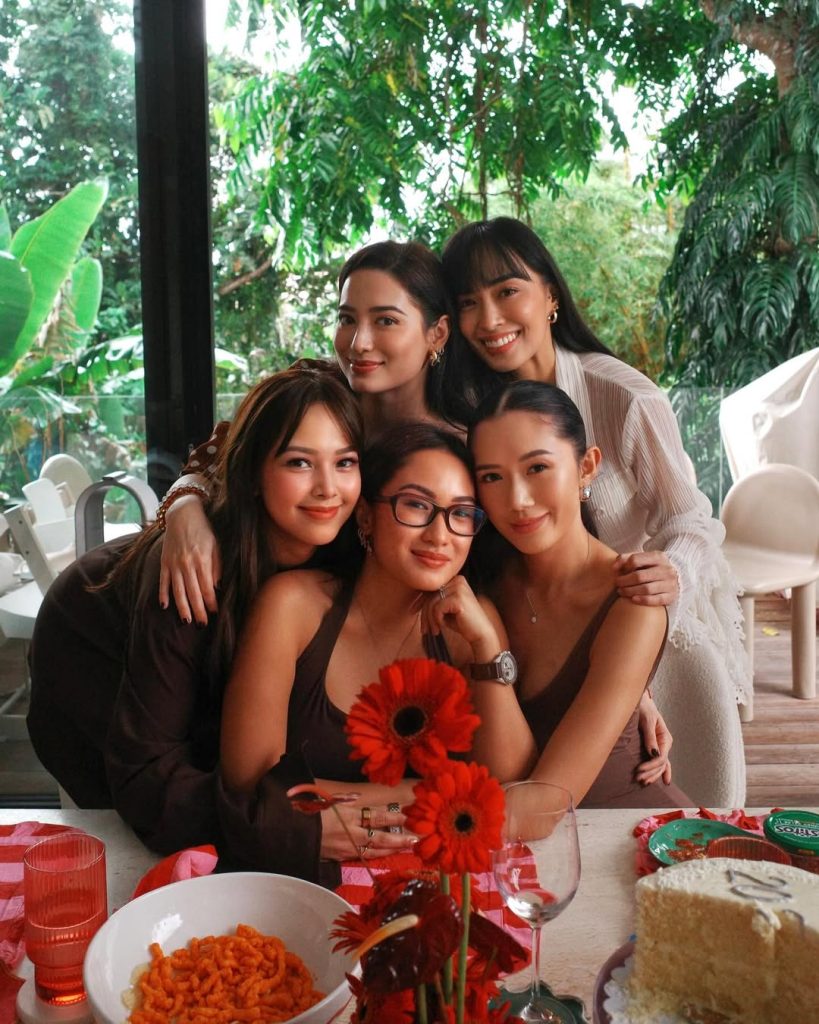
I’m also lucky to have siblings in the industry. My sister now has her own stamping company, my brother has his own creative agency, and I do content. Same same but different, but in terms of workmanship, values, and how we approach work, we’re very much aligned. And my brother told me something in high school that I’ve never forgotten: “You have to acknowledge everyone.” Smile at everyone, be nice to everyone—not just friends and family, but security guards, waitresses, the person who opens the door for you. He said a smile can change the world. That’s stayed with me—and I still ask them about everything. Not just work. “Is this top cute?” “Which sneakers should I bring?” It’s literally [like that] every day.
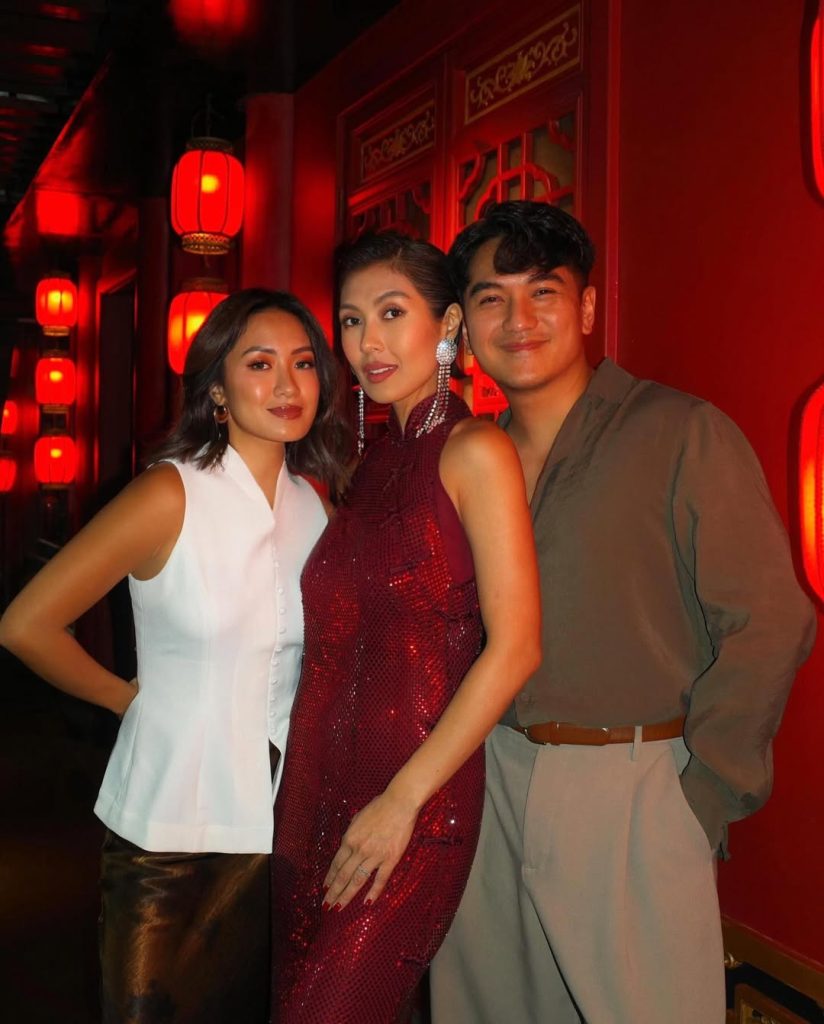
How long did it take to find your style—and what did trying on all those different versions of yourself teach you?
I feel like I’ve tried almost every style there is. In college, I was already in the industry, so I experimented with everything—I even went full preppy and girly when Gossip Girl was a thing. I tried to be Blair with the headband and the socks.
Then I went really street. But I really only understood my personal style by going through all of that—because each look eventually told me, “This isn’t me.” That’s how I found street chic.
And I think that’s why I always tell people to keep experimenting. You never know what your personal style will be, and it will keep evolving. There are days I want to wear jorts; the next day, I want to be a girly girl. But I always try to mix it in a way that doesn’t look too polished—because that’s not really me. A nice dress with sneakers, boots, silver over gold. Still a little bit more me.
You work with a lot of brands. What makes a brand collaboration feel right versus forced?
It has to feel aligned—not just aesthetically, but in terms of values and how the brand tells a story, and how I can also tell a story through my content. The best collaborations shouldn’t feel forced.
I’m lucky because most of the brands I get to work with are ones I already wear or have been eyeing. When I get that email, I know immediately: “This can be part of my story.” If the values aren’t aligned, it won’t work.
And I don’t just think about me and the brand—I think about the audience. How will they connect with it? How will they respond? I want both the brand and the audience to be happy. I love storytelling. I’m not thinking about how to promote something; I’m thinking about how to make it feel real.
“‘Once you stop learning, you stop growing.’ Curiosity has to stay alive, because once you stop being curious, you feel like you’ve arrived—and change is constant.” —Laureen Uy
Blogs to Instagram to TikTok—what has kept you genuinely curious after 15 years?
I do get burnt out. But I’ve learned that when I feel that way, I just need to reset—a new hobby, a new skill, or even just time with friends and family. Just enough to recharge.
And this is my favorite line to share whenever I get interviewed: “Once you stop learning, you stop growing.” I’ve always applied that. Curiosity has to stay alive, because once you stop being curious, you feel like you’ve arrived—and change is constant. The two go hand in hand.
I still do research. I still look up trends on websites, TikTok, Instagram. Because I genuinely have a passion for fashion, not just for work.
What’s the hardest part of the job that nobody warned you about?
Being consistent. There are days when I feel less motivated, not inspired, but I always just try to take a break and recharge in the best way I can. I know that I am lucky to have a job that I absolutely love, so I remind myself not to take it for granted. It’s really about discipline more than anything. Passion comes and goes, but showing up is what keeps everything moving. Balance is everything.
How does contentment sit alongside that hunger?
I love my job, and I’m very lucky for that. Wanting to learn and wanting to keep doing things doesn’t mean I’m not content. Contentment for me really comes from within—a good family, good friends, a good support system, and an amazing husband. I’m very much content with my life.
When I say I’m hungry, it’s really about wanting to feel more inspired every day. But the moment I stop working and the clock hits 6 or 7 P.M., it’s a completely different Laureen. That Laureen does a quick workout, has dinner with friends, and plans the next trip to unwind. Both are very real and very different.
Does the same creative instinct that shaped your style drive how you build Hungry Homies and Flo—or is it a completely different muscle?
Very, very different.
When I first handled our Instagram account, I was doing a lot of flat lays. And you know what happened? People wouldn’t feel hungry from the photos because all they could see was the top of a bun, which is exactly how I’d shoot for fashion content. I really had to learn a completely different approach, one that makes you feel hungry when you see it. That’s a different kind of creative output altogether.
And that’s exactly what makes it exciting.
Did life exceed the dream—or did the dream just keep growing with you?
The dream just keeps growing. When I said I wanted to be in fashion and advertising, I never imagined I’d travel for work or attend Fashion Week. So yes, life exceeded that dream. But I feel like I’m still growing as a person—and I go back to it: If we stop learning, we stop growing.
I think I’m very proud of myself. If I could talk to Laureen 10 or 15 years ago, she’d never believe where we are now—just from starting a blog. And I feel blessed. If there’s more coming, it’s only going to add to the list.
Hot take: AI influencers—market opportunity or authenticity killer?
I personally don’t follow most of them yet. But whenever I scroll past one, it’s incredibly convincing—it feels so real. And I think there’s definitely a market for it. I remember during the pandemic playing Animal Crossing, and fashion actually reached Animal Crossing—there was an account doing brand collaborations through the game. So yes, the market exists.
But authenticity is something you can’t recreate. That’s what I really believe. You can’t remove the human aspect. AI will be there, but the pulse, the rhythm of a human being—that’s what you can’t replicate.
Quotes have been edited for brevity and clarity. Photos courtesy of Laureen Uy via Instagram.