Sunscreen launches typically peak in the summer—right when beach trips and sun-soaked getaways are in full swing. But for this edition of The Editor’s Room, sun protection took the spotlight even as June ushered in the rainy season. Because here’s the truth: Sunscreen isn’t seasonal; it’s a year-round essential.
And while many still view sunscreen as a shield against sunburn and the aging effects of UVA rays, a shift is happening. With the growing focus on “slow aging,” today’s skinthusiasts, particularly Gen Zs, are embracing sunscreen not just for protection, but as a preventive tool. It’s no longer just for vacation days or sunny escapes but for daily use—city living, included.
This emerging trend shaped the conversation at the recent Beach Hut event held in partnership with The Beauty Edit, where beauty lovers gathered at Xception in Makati to celebrate the launch of the brand’s new Daily Unseen Sunscreen line. The newest formulas are designed to offer effective protection without compromising convenience, making daily sunscreen wear effortless and non-negotiable.
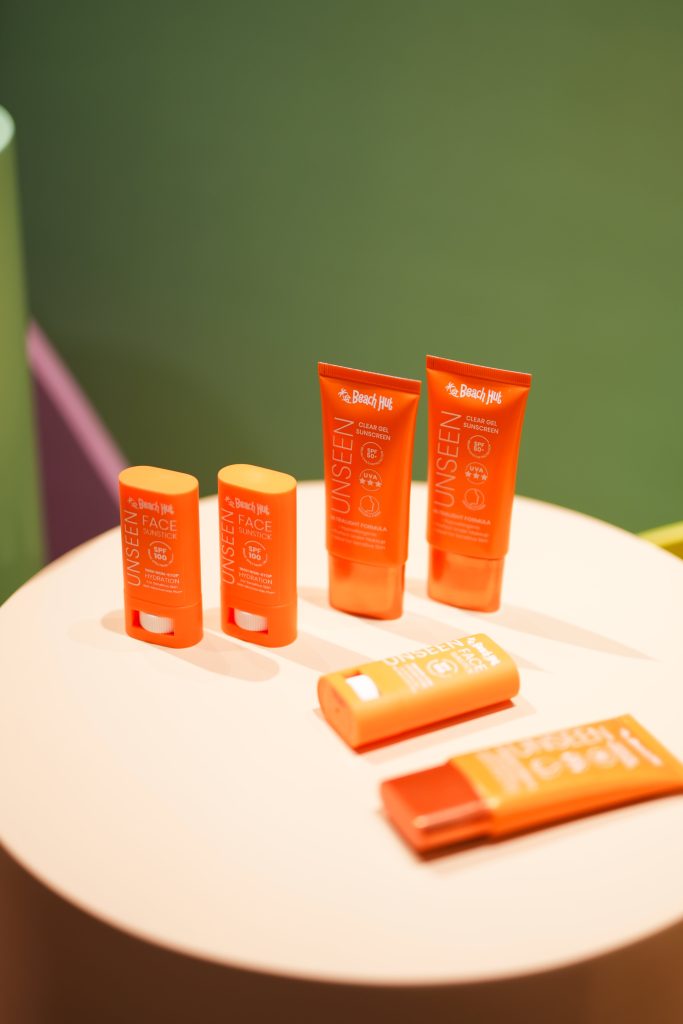
Two innovative skincare staples were introduced: the Daily Unseen Sunscreen SPF 50+, a lightweight, invisible gel sunscreen that delivers broad-spectrum protection without the greasy feel or telltale white cast, and the Daily Unseen Sunstick SPF 100, high-protection stick formulated for easy, on-the-go re-application—even over makeup. This on-the-go stick is also infused with niacinamide to deliver skin brightening and smoothing benefits while defending against everyday damage.
From Protection to Prevention
To help guests better understand the latest in modern suncare—and the importance of choosing the right formulas—board-certified dermatologist Dr. Bea Chan-Benavidez was on hand to break down the science behind sun damage and aging. Here are some of the things we learned:
UV exposure causes up to 80 percent of visible facial aging. This includes wrinkles, sagging or loss of elasticity, rough texture, and sun spots—making daily sun protection essential for long-term skin health.
Aging is both intrinsic and extrinsic. Intrinsic aging refers to aging that occurs naturally and is genetically determined. “This specifically refers to your genes, your hormones,” says Dr. Chan-Benavidez. Extrinsic aging, on the other hand, is “primarily environment- and lifestyle-related.” While we can’t control genetics or hormones, we can minimize extrinsic aging—especially sun-induced damage.
We’re in the era of “prejuvenation.” This modern approach to skincare emphasizes prevention and early intervention. “Prejuvenation is the newest global anti-aging trend wherein you make use of ‘slow aging’ concepts, such as photo protection—which is the use of your sunscreens—and anti-aging methods, such as use of skincare actives, like your retinol and vitamin C.” It’s not just about avoiding damage; it’s about slowing the signs of aging before they start.
Yes, sunscreen can help delay aging. A landmark study showed that subjects who used sunscreen regularly over four years showed 24 percent fewer signs of photoaging—a significant result, especially for “those younger than 55 years old,” says Dr. Chan-Benavidez.
But not all sunscreens are created equal. You need a product that ensures protection against both UVA (aging) and UVB (burning) rays. “SPF or Sun Protection Factor stands for how well your sunscreen can protect you against UVB,” she explains. Meanwhile, “PA or Protection Factor Against UVA has actually been developed by the Japanese and measures how well your sunscreen protects you against UVA.” She recommends going for formulas with at least SPF 30 and PA++.
A higher SPF can help compensate for under-application. “There was a study… wherein they noted that as high as 50 percent of consumers actually under-apply their sunscreens,” says Dr. Chan-Benavidez. That said, using a higher SPF (like SPF 50 or 100) provides better real-world protection.
Real Experiences, Real Tips
Beyond the science, the event also delved into real-world use—not just for beauty enthusiasts but also for beginners and sunscreen skeptics. For this, beauty content creators Marj Maroket and Belle Rodolfo graced the stage to share their experiences using the Unseen line and their perspectives on sunscreen use in general.
“The secret to proper re-application is people have to like using [the product],” says Rodolfo, emphasizing that it’s good to have a formula that’s beginner-friendly, Filipino weather–friendly, and even morena skin–friendly. For Maroket, it’s the makeup-friendly formulation of the stick that stood out. “The big text on the packaging was: You can wear it under makeup,” she says. “As someone who wears makeup almost every day, that’s a big plus for me.”
Hot tip from Dr. Chan-Benavidez when applying a sunstick: It has to be applied four times back and forth, giving a total of eight swipes. “And then you still have to rub it onto your skin,” she adds.
As for the sun-sensitive spots to target? “The area [under the eyes] is really thin—you need to be more vigilant there,” says Rodolfo. Maroket, on the other hand, says she applies more on her forehead since it gets more sun. “It’s already darker than the rest of my face, so imagine if I go to the beach—it gets even darker. So it needs extra protection.”
What’s their advice for those still resistant to daily sunscreen? “I’ve simplified my morning routine to just washing my face, using a hydrating toner, and then applying a moisturizing sunscreen,” says Maroket. “Simplify and skip steps—just don’t skip sunscreen.”
Rodolfo offers a playful reminder: “I saw a meme that said if someone’s forcing you to wear sunscreen, it means they love you.” Her tip? Give people options they’ll actually enjoy using, then help them understand how each formula works for them.

Daily Unseen Sunstick SPF100 Sunscreen
P849, Beach Hut

Daily Unseen Sunscreen
P849, Beach Hut