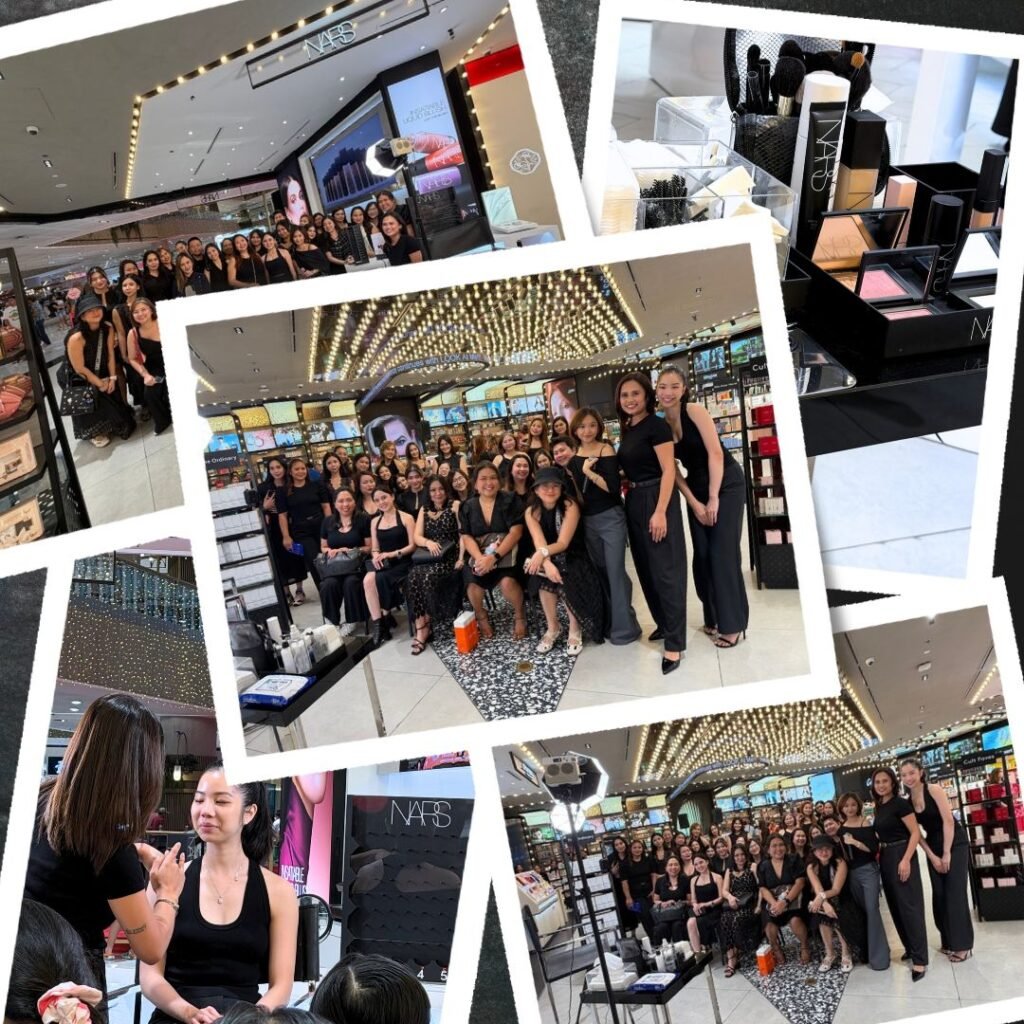
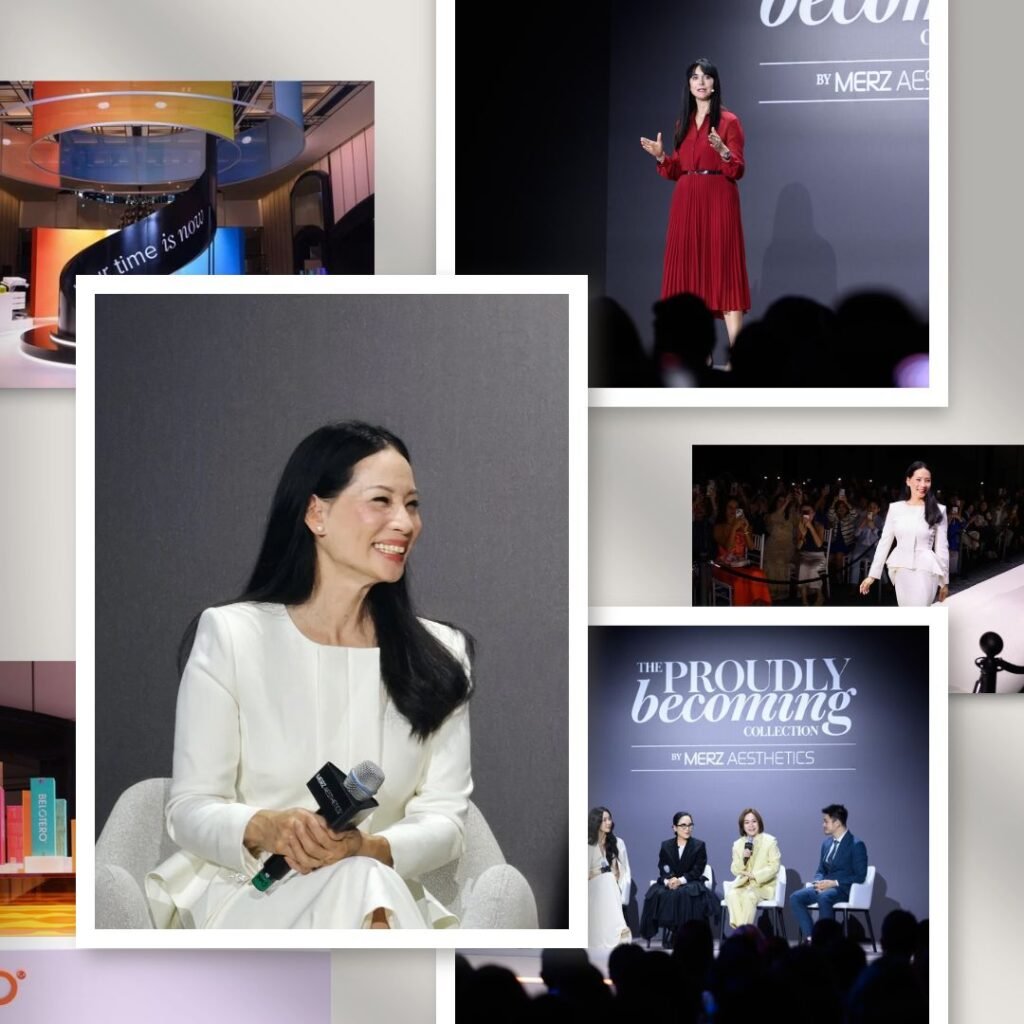
We recently gathered fragrance enthusiasts for an afternoon of scent discovery in The Editor’s Room, featuring Bvlgari, Rabanne, Jean Paul Gaultier, and Carolina Herrera. Beyond the luxurious visuals and bold new bottles, the event signaled a deeper shift in direction: Designer fragrances are getting smarter, richer, and more refined—an answer, perhaps, to the continued rise of niche fragrances.
Paco Rabanne’s Phantom Elixir reworks the bold, futuristic, and tech-forward DNA of the original into something more sophisticated and intense. While the first Phantom was energetic and fresh, the Elixir adds notes of vanilla, marine accord, and oud, leaning into sensuality with a richness that feels more powerful and seductive.
Jean Paul Gaultier’s Le Male Elixir Absolu follows a similar path of reinvention. The iconic sailor bottle returns, but what’s inside has transformed: a prominent plum note with cinnamon, cardamom, and bergamot replace the classic mint-lavender top note combo. It’s more textured and seductive than the original with a velvety warmth that suits those who’ve outgrown youthful freshness in favor of something spicier and more dimensional.
Carolina Herrera’s Very Good Girl Elixir, on the other hand, is more magnetic than loud. Taking the fruity-floral aspect of the original and adding layers of black cherry, rose, and vanilla, it’s a scent that feels bolder and quite mysterious. It still carries the Carolina Herrera femininity but with a newfound depth.
And then there are the relaunched scents of Bvlgari’s Eau Parfumée collection—Eau Thé Vert and Eau Thé Blanc—both soft, minimalist, and quietly luxurious renditions now in eau de parfum. Initially created with a minimalist approach and inspired by botanicals, these scents remain timeless in their simplicity. Eau Thé Vert blends green tea with citrus and light woods for a clean, revitalizing feel, while Eau Thé Blanc blends white tea and musk for a fragrance that’s delicate and enveloping—like how the scent of crisp white linens feels comforting on the skin. Neither is meant to dominate a room. They’re characterized by ease and refinement, showing that restraint, when intentional, can feel just as indulgent as complexity.
They may still sit within the designer realm, but today’s launches feel distinctly more elevated—crafted with a sensibility that leans closer to niche. Less about broad, mass-market appeal and more about emotional connection, these scents reflect a growing shift in both formulation and storytelling. The rise of niche—driven by fragrance TikTok, collector culture, and a craving for individuality—has inspired even the most established houses to evolve. The result is a thoughtful recalibration: designer perfumes that surprise, resonate, and rival the artistry once reserved for the niche world.
We’re seeing designer brands slow down and craft with more intention. With longer-lasting concentrations and more daring compositions, these launches reflect a growing awareness that today’s consumers want more than just another designer fragrance with a pretty bottle. They want emotion, mood, and nuance.
For these big names, it’s turning into a moment of creative reinvention. And for fragrance lovers, it means the most recognizable houses in the world are starting to smell a little less expected and a lot more elevated.
Want to be part of future events in The Editor’s Room? Get priority invites to our exclusive events by signing up for premium membership to The Beauty Members Club.