There’s a moment every Filipino with sensitive skin knows intimately: You’ve done everything right—cleanser, toner, actives, SPF—and yet your face is red, tight, and visibly angry at you. Kiehl’s has a name for it: a skin meltdown. And they built a product specifically to address exactly that.
Skin meltdowns are more common than most people realize, particularly here and especially in this season. The summer heat accelerates everything—and the typical response to skin concerns tends to involve adding products rather than removing them.
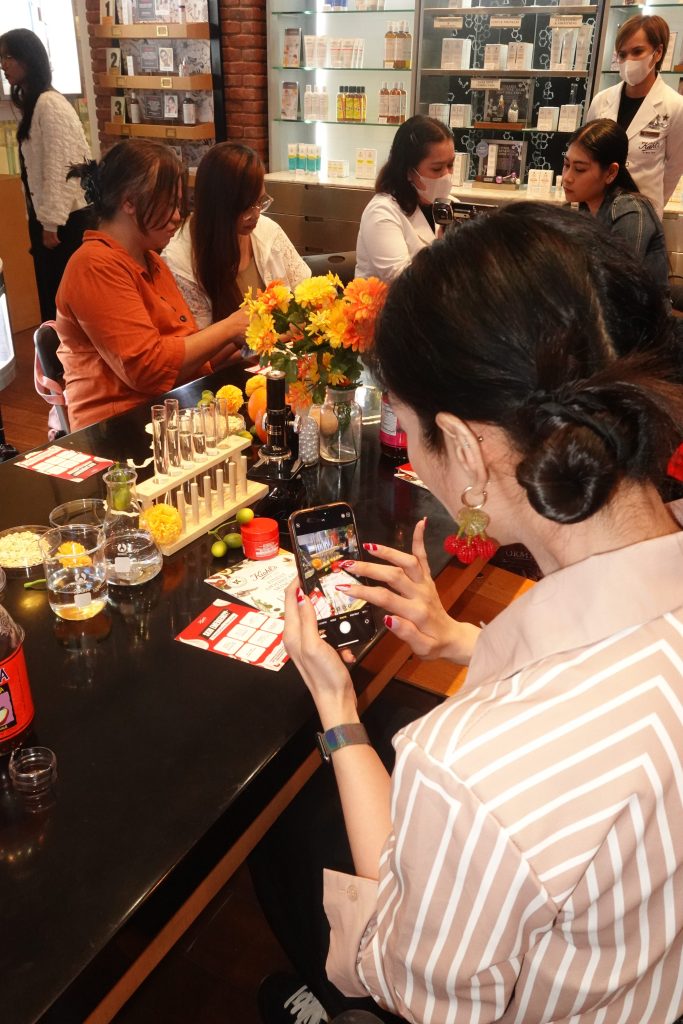
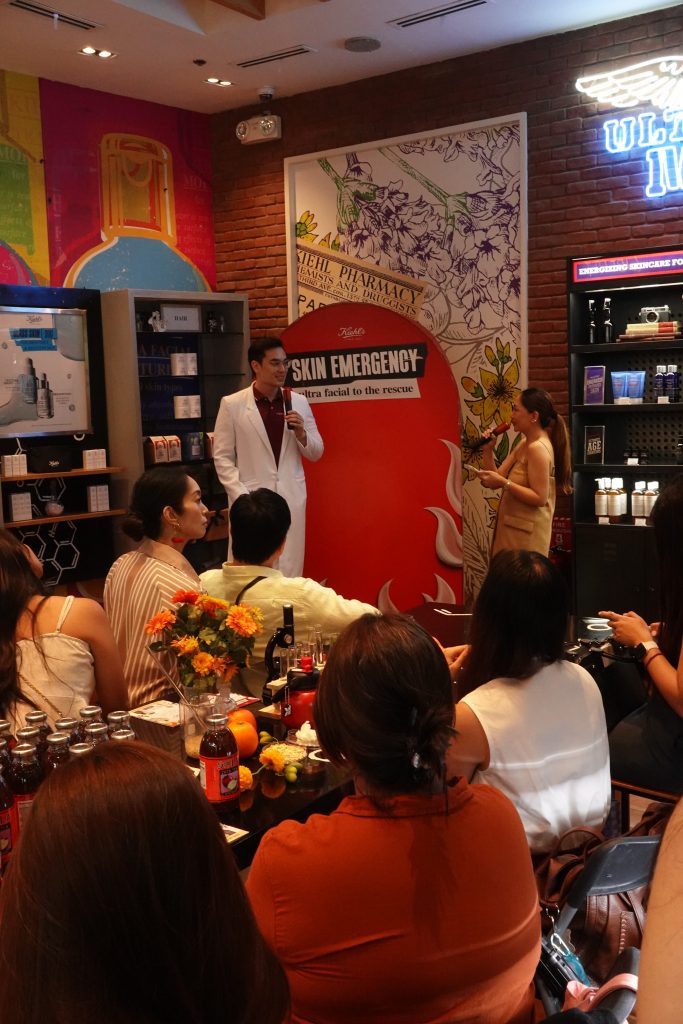
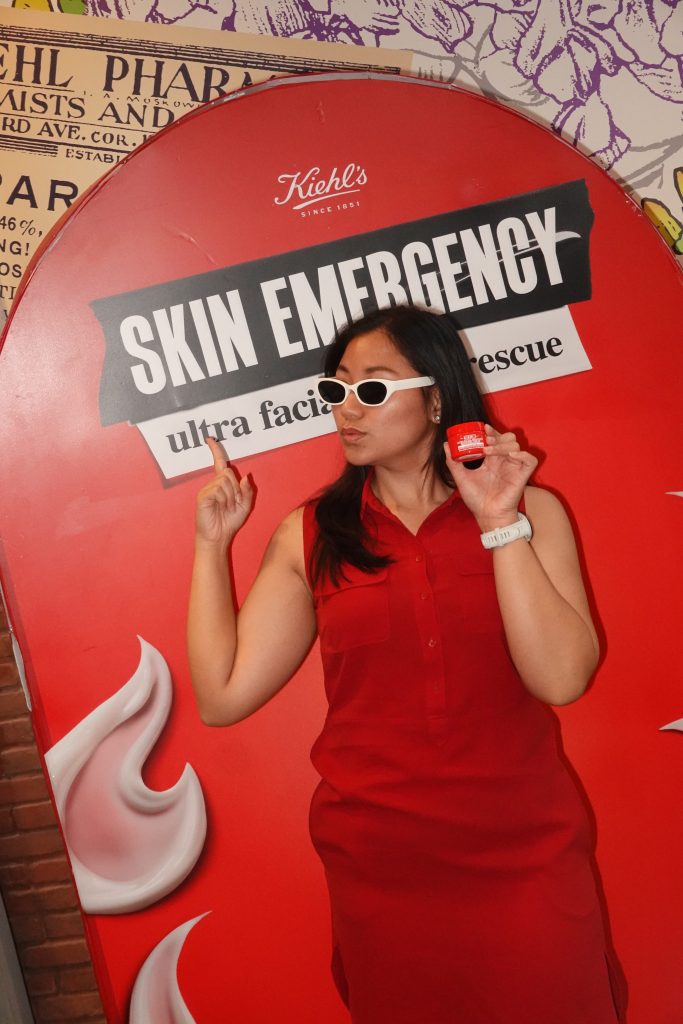
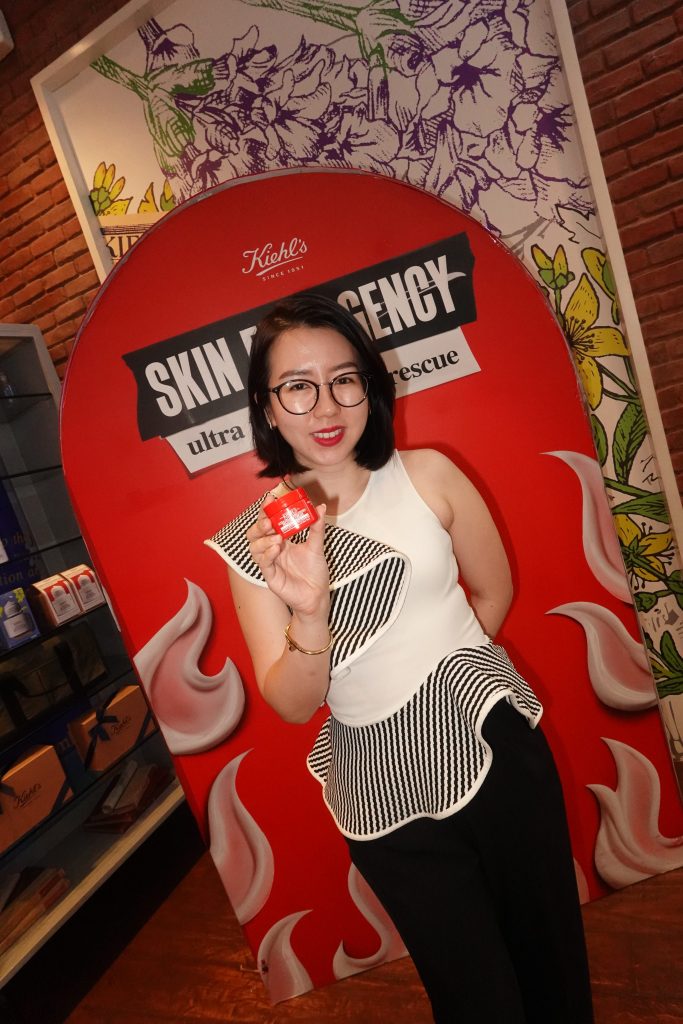
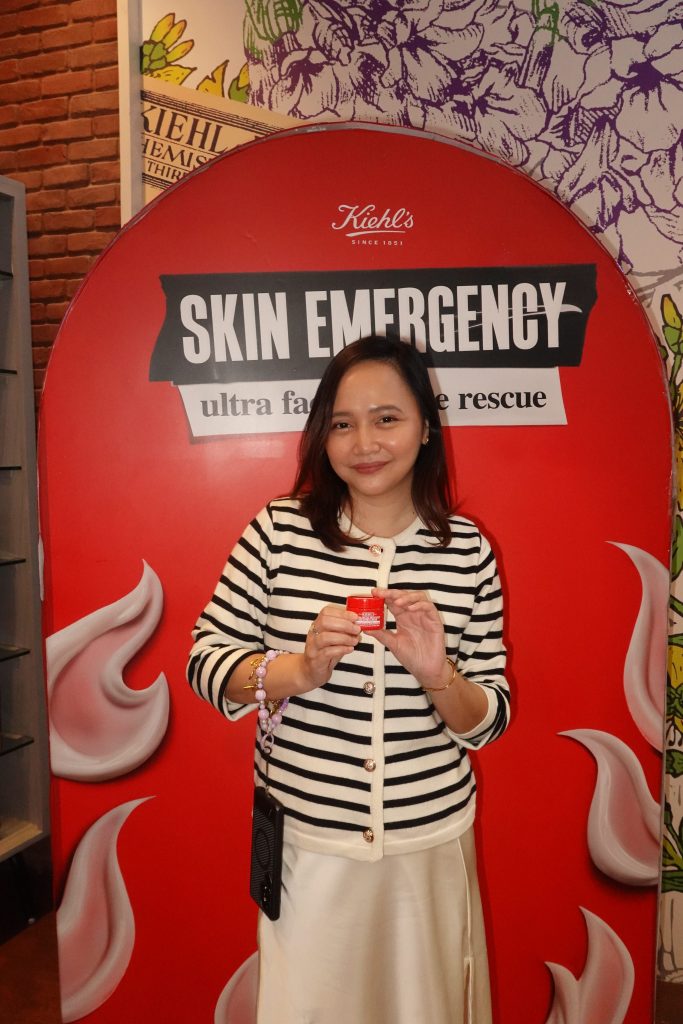
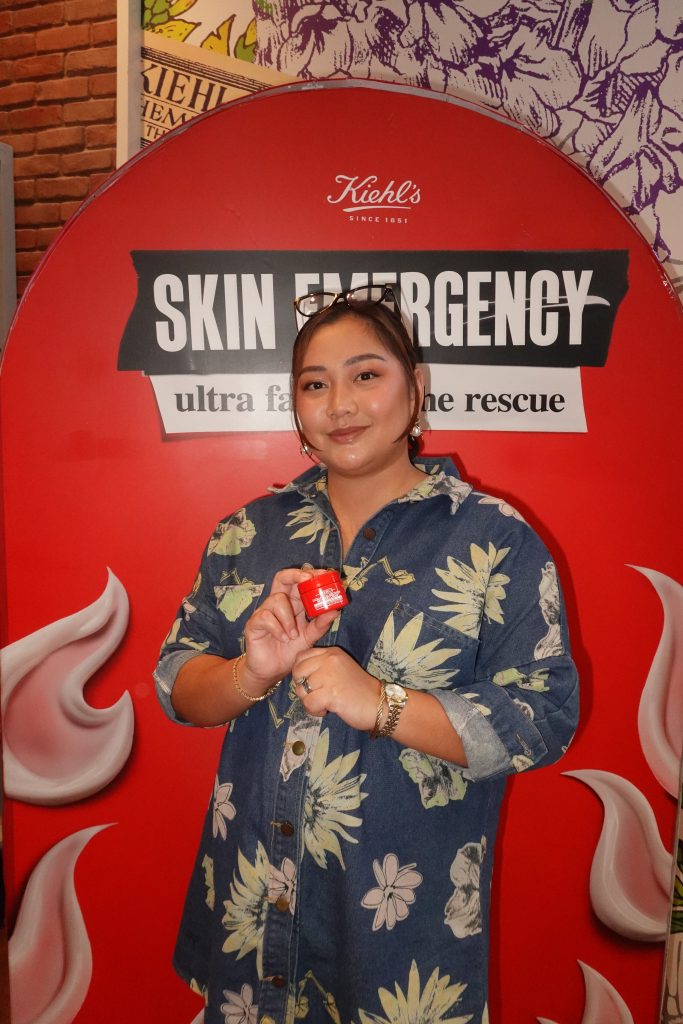
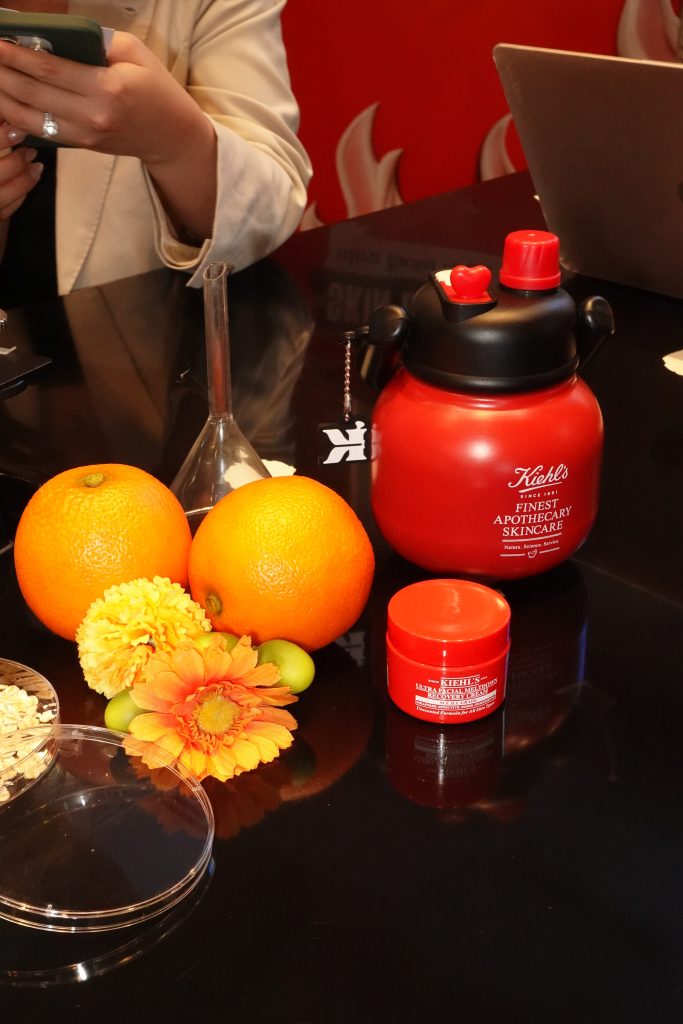
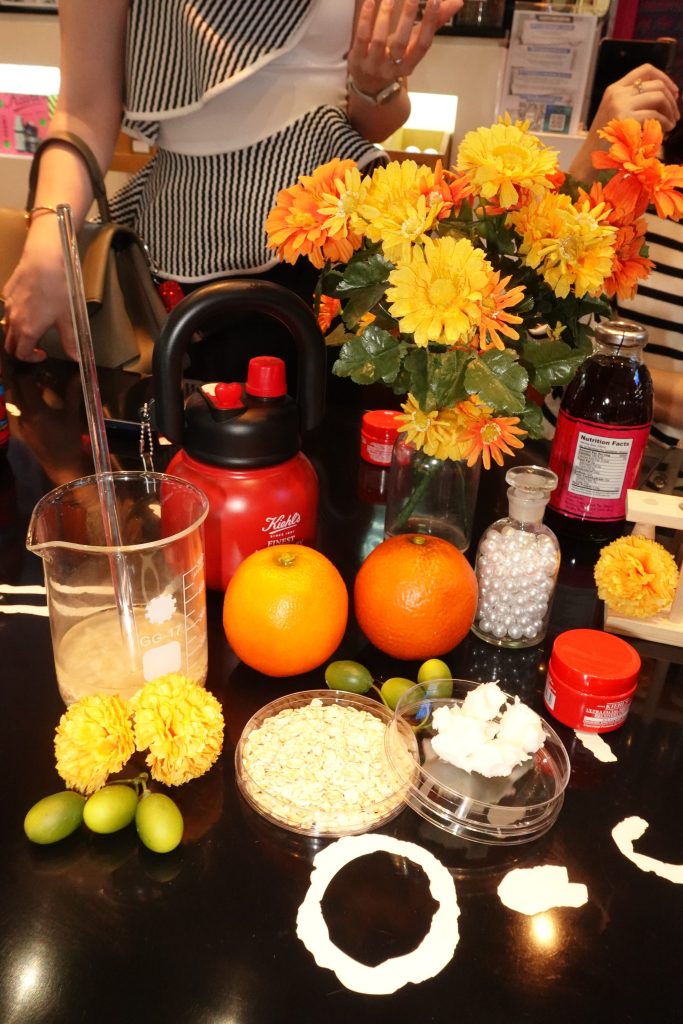
At The Editor’s Room featuring Kiehl’s, we gave skincare enthusiasts an up-close look at its newest release: the Ultra Facial Recovery Meltdown Cream—a medicated cream that, as many in the room could attest to, works faster than you’d expect.
How It Happens
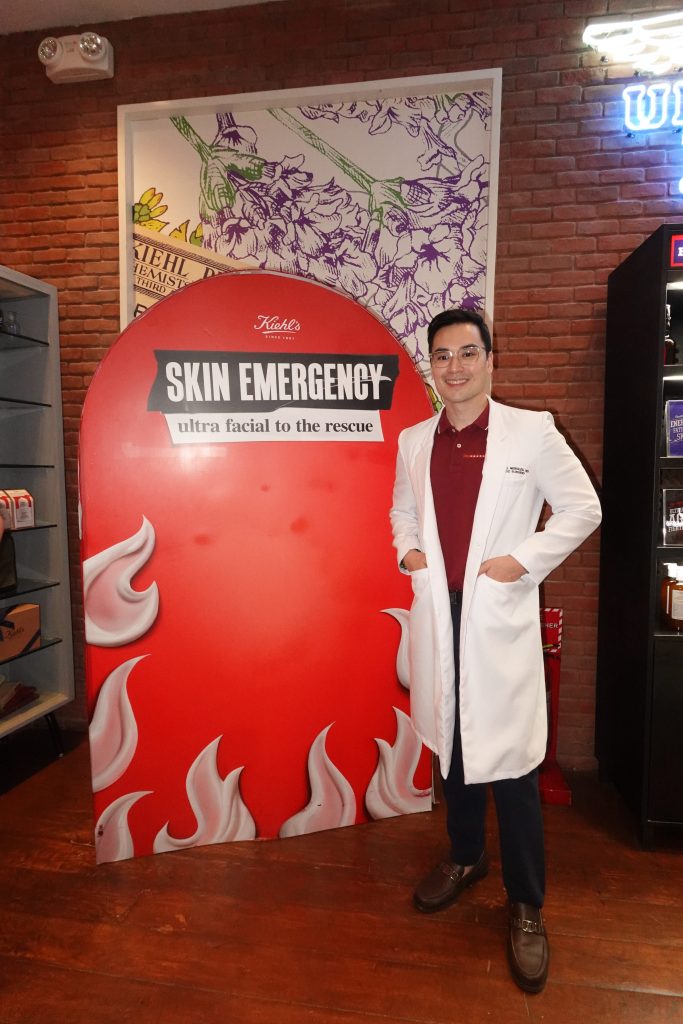
Cosmetic surgeon and guest speaker Dr. Erick Merioles sees it consistently in his practice. The patients arriving with inflamed, reactive skin aren’t, as you might assume, the ones neglecting their routines. They’re usually the ones who found out about chemical exfoliants and went all in.
“I see a lot of over-exfoliation in the skin,” he shared. “They want a brighter complexion, so they use different types of acids and they do research about pigmentation.” He added, “You’ll notice that when products are overused, their skin turns red.”
Morena skin is melanin-rich, which makes it more reactive to aggressive exfoliation and high-concentration actives. Add Manila’s heat to that equation, and higher temperatures increase how quickly the skin loses moisture. UV exposure degrades the lipid barrier. Air-conditioning pulls hydration out. And because skin feels oilier and more congested in the heat, the instinct is to cleanse more thoroughly, exfoliate harder, and layer on brightening actives to address the hyperpigmentation that sun exposure accelerates.
The signals were always there; they just didn’t mean what we thought. That tight and squeaky feeling after cleansing—the one that registers as clean—could actually be the sensation of a stripped barrier, now more vulnerable to breakouts and irritation. That sends us reaching for something stronger, which damages the barrier further, and the cycle starts over. The slight sting when applying vitamin C or retinol that skincare culture has subtly normalized as “actives working” is, more often than not, your skin barrier asking you to stop.
And a skin meltdown is what happens when you don’t.
What Could Actually Help When It Hits
“If there’s inflammation, redness, itchiness, or irritation, that’s the time to [make your routine] simple,” Dr. Merioles said plainly.
“So we omit the actives first, [like] vitamin C and retinol, use a gentle facial cleanser in the meantime, and use moisturizer,” he said. “Have a healthy recovery first before you go back to using actives.”
That recovery period matters more than many people realize, as skin barriers do not repair overnight, especially when they’ve been repeatedly stressed. Many dermatologists have recommended temporarily scaling routines back to the basics when the skin barrier is compromised: gentle cleansing, consistent moisturizing, and avoiding highly active ingredients until the skin stabilizes again.
In other words, recovery products are meant to support the skin barrier as it repairs, not overwhelm it further with more treatment steps. That’s also where barrier-focused formulations have started gaining attention, particularly among people dealing with irritation from over-exfoliation or overly complicated routines.
Kiehl’s Retail and Education Manager Jean Victorio described the Ultra Facial Recovery Meltdown Cream as a fire extinguisher. It’s something you can reach for when your skin is in distress, whether from over-exfoliation or environmental stress. It’s even FDA-approved for eczema care, making it a great recovery step for more than just temporary sensitivity.
And it’s not just for one skin type. “It’s actually for all skin types,” Victorio said. “If you have a skin meltdown, you can just replace your moisturizer with this one.” She recommends using it consistently for four weeks to let the skin fully heal—after which you can return to your usual routine.
Its formula contains milled colloidal oat fine enough to form a light, flexible protective film on damaged skin while releasing anti-inflammatory compounds. This is supported by dexpanthenol, which helps skin retain moisture, and alpha-bisabolol to calm irritation. It’s fragrance-free, non-comedogenic, and surprisingly weightless for a recovery product, with a faint cooling effect that earns its place in this climate.
For all the innovation skincare has given us, one of the hardest lessons is still knowing when to stop. Not every concern needs another active. Not every flare-up needs fixing overnight. Sometimes, the smartest thing you can do for your skin is give it the space to recover.

Kiehl’s Ultra Facial Meltdown Recovery Cream
P1,800, Lazada