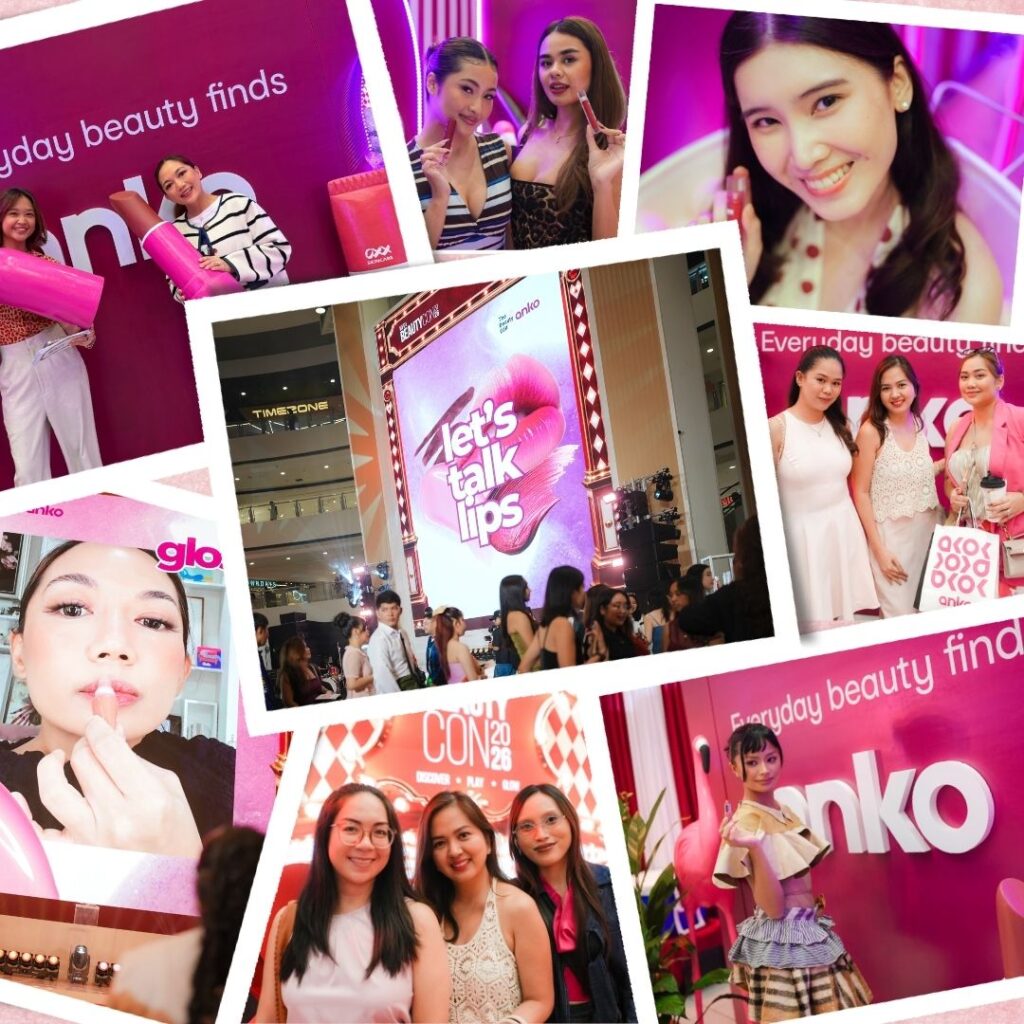
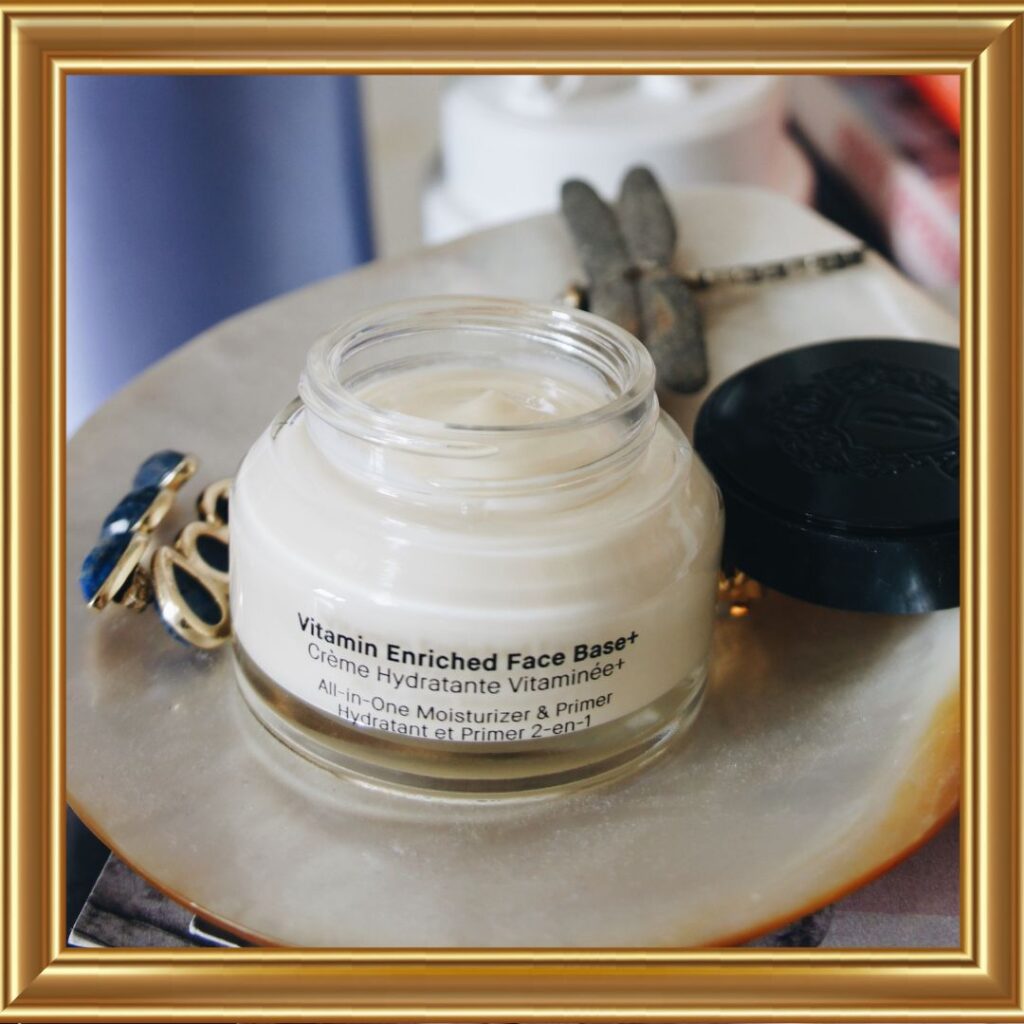
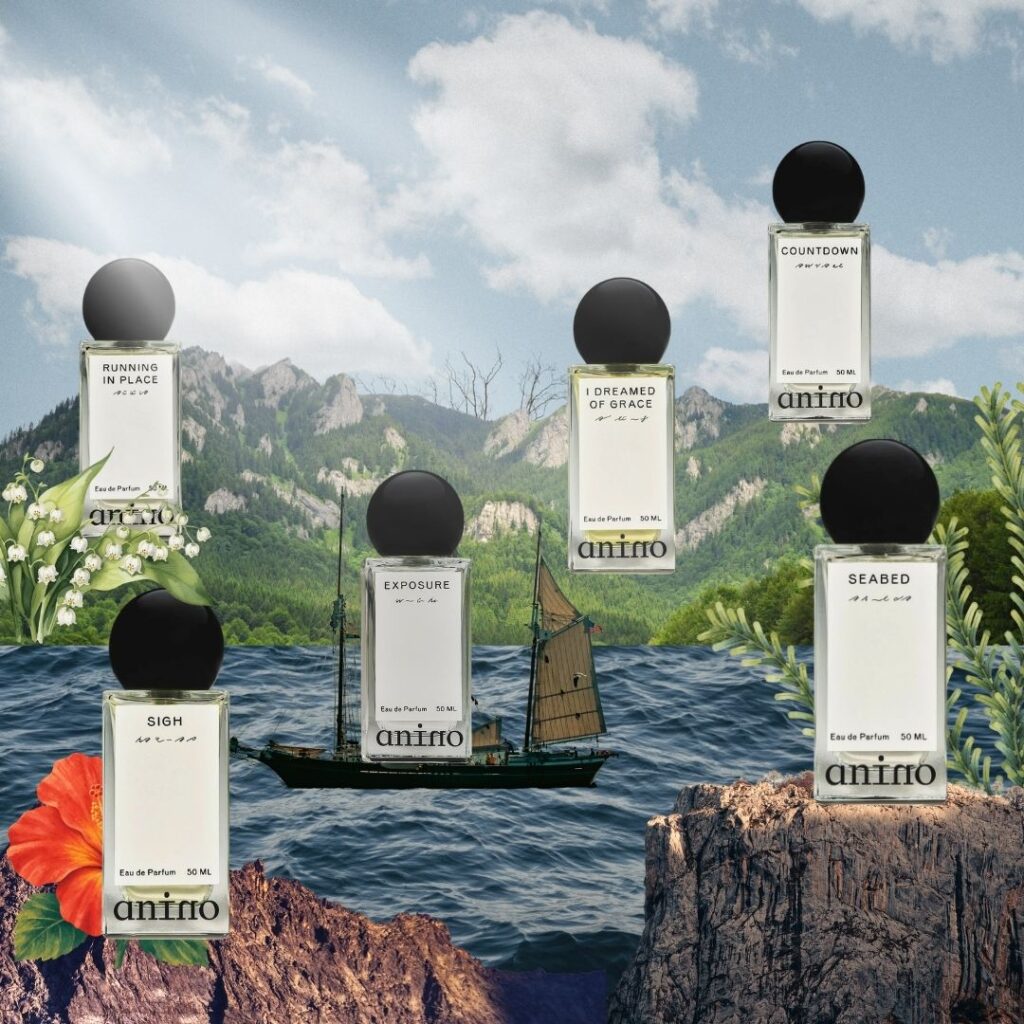
A popular content creator can receive dozens of PR packages in a single week. For some, it’s several a day. Multiply that across a month, then across hundreds—if not thousands—of creators, editors, and media offices worldwide, and the scale becomes difficult to ignore.
As much as each package represents intention, strategy, creativity, and budget, it also represents material. Boxes. Inserts. Foam. Plastic. Magnets. Laminated paper. Objects designed to impress briefly, then linger far longer than intended.
The beauty industry likes to talk about sustainability. PR or seeding is where that conversation quietly breaks down.
This is not a call to stop sending PR. Discovery, education, and relationship-building are essential to how beauty works. But the way gifts are packaged—particularly over the past decade—deserves a more honest examination. Somewhere between the unboxing and the disposal, something no longer adds up.
For us, there is a specific kind of guilt that comes from receiving something beautiful while knowing that most of it will eventually be thrown away. (We just did this over the past week, and we carry this guilt, which is why this article.)
Imagine, a glossy box arrives like a miniature stage set: heavy, immaculate, engineered for a slow reveal. Inside, products are cradled in custom-cut foam or molded compartments shaped precisely to their silhouettes. Everything has its place.
The moment is satisfying. And then it’s over. What remains is packaging that, more often than not, has no realistic afterlife.
To be fair, brands aren’t choosing excess because they don’t care. They’re responding to real pressures: crowded PR landscapes, the need for cut-through, the desire to control storytelling, and the lingering belief that premium must look and feel heavy.
And before anyone says, “But you can reuse them,”—believe us, we tried. We kept the boxes. We stacked them neatly at first. We told ourselves they would become storage, archives, drawer organizers, future props. For a while, they were reused and repurposed. Until everything started to look like clutter. Until opening a closet meant confronting a mountain of boxes—beautiful, expensive, and completely impractical.
At some point, reuse stops being sustainable and starts becoming unsustainable in a different way. Space is finite. Time is finite. And when PR arrives regularly, even the best intentions eventually collapse under volume. That’s when the guilt sets in—not because we don’t care, but because the packaging was never designed to live beyond that first moment.
The Beginnings of the Unboxing
The rise of elaborate PR kits didn’t happen by accident. It evolved alongside social media, when packaging became part of the story. The box wasn’t just a vessel; it was a visual cue. A marker of exclusivity. A guarantee of spectacle. Unboxing became content currency, and brands responded by creating increasingly cinematic experiences around their launches.
For a while, it worked. Big boxes cut through noise. They created shareable moments. They felt premium. But they were also designed for optics, not longevity.
Today, packaging sits at the center of global waste conversations, particularly when it comes to short-lived materials. PR—by nature high-volume and ephemeral—sits uncomfortably within that reality. And while not all PR packaging is inherently problematic, certain formats deserve closer scrutiny.
We have to admit there’s an unspoken discomfort in critiquing PR while benefiting from it. But avoiding the conversation doesn’t make the problem smaller—it just keeps it invisible.
The most wasteful is a familiar one: the molded insert kit. These are the boxes where everything is locked into place, perfectly shaped for the product and nothing else. Once the items are removed, the box loses its function. It can’t be repurposed easily, it can’t be flattened, and it’s often made of mixed materials that complicate recycling. It becomes dead weight almost overnight.
This is the part rarely acknowledged publicly: Most of it gets thrown out. Maybe not immediately. But inevitably.
What also tends to go unspoken is the cost of producing these kits. Custom rigid PR boxes—especially the multi-layered, magnet-sealed kind—can cost anywhere from ₱1,000 to ₱2,500 per unit, depending on volume and materials. That’s before the products inside, before logistics, before agency and logistics fees. For brands sending dozens or hundreds of kits, the numbers add up quickly.
To be fair, brands aren’t choosing excess because they don’t care. They’re responding to real pressures: crowded PR landscapes, the need for cut-through, the desire to control storytelling, and the lingering belief that premium must look and feel heavy. But spectacle has diminishing returns. What once impressed now feels expected, and what feels expected quickly becomes invisible, except for the waste it leaves behind.
There is, increasingly, a less ostentatious and more modern definition of premium emerging. Packaging that doesn’t try so hard. Corrugated mailer boxes. Minimal or no print. Sturdy construction without unnecessary layers. Packaging you don’t feel bad about reusing—or discarding.
A Collective Problem Needs A Collective Shift
This isn’t something brands can solve on their own—and it isn’t something creators or editors can opt out of simply because PR benefits them. The packaging problem exists because the entire ecosystem rewards excess. Changing it requires a shift in how value is signaled, acknowledged, and amplified.
Creators, too, play an influential role. While few would admit it openly, excess packaging has historically been rewarded with attention… Breaking that loop doesn’t require public call-outs. It starts with normalizing simplicity.
Brands, naturally, sit at the center of this recalibration. For years, premium has been communicated through weight, complexity, and scale. But those cues are no longer as persuasive as they once were. In fact, they are starting to work against the very values many brands now publicly champion. Thoughtful restraint—packaging that anticipates its own afterlife—feels far more current. The question brands should be asking is not whether a box looks impressive upon arrival, but whether it still makes sense once the contents are removed. Could it be reused without effort? Flattened without guilt? Separated without tools?
There is also a strong case for rethinking where PR budgets are directed. Money spent on elaborate boxes is money not spent on education, clarity, or access. Clear product documentation, well-substantiated claims, strong imagery, and creator-friendly information often do more for coverage than a high-production unboxing ever will. Tiered PR strategies—where not every launch is treated like a theatrical reveal—allow brands to reserve complexity for moments that truly warrant it, while keeping everyday communication efficient and responsible.
Creators, too, play an influential role. While few would admit it openly, excess packaging has historically been rewarded with attention. Larger boxes are more likely to be filmed, shared, and remembered, creating an incentive loop that encourages brands to escalate. Breaking that loop doesn’t require public call-outs or performative sustainability statements. It starts with normalizing simplicity.
When creators openly appreciate thoughtful, minimal packaging—and shift focus back to performance, texture, wear, and relevance—the signal changes. Private, specific feedback also matters more than silence. A brief note explaining that a molded insert will be discarded is far more actionable than vague praise or polite avoidance.
Editors and media platforms often underestimate the extent to which they shape industry behavior. Internal preferences, even unspoken ones, influence how PR is designed. When coverage consistently prioritizes formulation, function, and context over spectacle, brands adapt. Establishing standards—such as discouraging molded plastic or excessive material complexity—doesn’t require public declarations. Consistency alone is enough. Highlighting brands that design responsibly, rather than those that package extravagantly, slowly resets expectations.
Consumers, while furthest from the PR process, are not irrelevant to it. Packaging decisions ultimately reflect what brands believe will resonate with buyers. When consumers question sustainability claims, support brands that practice restraint, and understand that minimal packaging is often a deliberate—not lazy—choice, the ripple effect reaches far beyond the checkout counter. The less “impressive” box begins to feel like a sign of confidence rather than compromise.
What becomes clear is that this isn’t a matter of eliminating PR or even diminishing creativity. It’s about evolving it. The industry has outgrown the idea that impact must be physical to be meaningful. It is, after all, 2026. Storytelling no longer depends on layers of material; it depends on clarity, trust, and relevance.
We have to admit there’s an unspoken discomfort in critiquing PR while benefiting from it. But avoiding the conversation doesn’t make the problem smaller—it just keeps it invisible.
The future of good PR won’t be measured by how impressive the unboxing looks on camera. It will be measured by whether the experience still feels comfortable and more important, right, once the camera is off. In a world already full of objects, the most considered thing a brand can do may be this: Design smarter and trust that the product—and the story—can stand on their own.
This site uses cookies. Learn more about the purpose of their use and changing cookie settings in your browser. By using this website you agree to the use of cookies in accordance with your current browser settings.
Unlock beauty stories you won't find anywhere else.
Read quality and relevant features, get exclusive invites to our beauty events, access The Editor’s Room, receive complimentary gifts*, get free shipping for The Beauty Edit Box, and more when you become a member. Subscribe to The Beauty Edit now.